
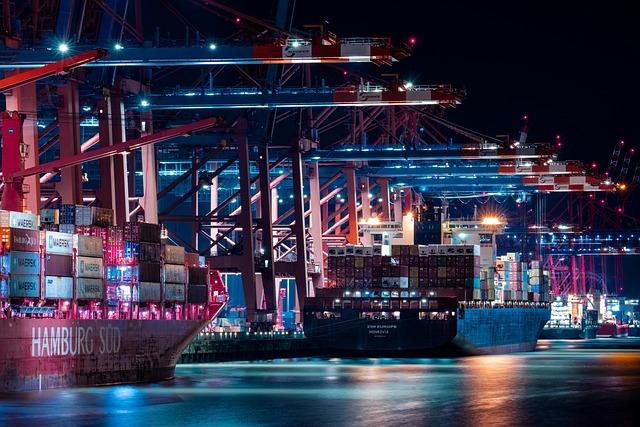
India’s exports to China experienced a notable surge in December, signaling a shift in trade dynamics as shipments to the United States declined amid the ongoing impact of tariffs imposed during the Trump administration. The contrasting trends highlight the complex interplay of geopolitical factors and trade policies shaping India’s external commerce, with new data underscoring China’s growing importance as a trading partner despite longstanding tensions. This development raises critical questions about the future trajectory of India’s export markets in the face of evolving global economic conditions.
India Sees Sharp Increase in Exports to China Amid Shifting Trade Dynamics
India witnessed a significant upswing in its export activities with China in December, marking a notable shift in the global trade landscape. According to the latest trade data, shipments to China surged by over 20% compared to the previous month, underscoring a growing appetite for Indian goods amidst evolving supply chain realignments. Key sectors driving this growth include pharmaceuticals, organic chemicals, and electronics components, which have experienced heightened demand as China seeks to diversify its import sources and stabilize inventories ahead of the Lunar New Year. This trend also reflects broader geopolitical dynamics, with both nations leveraging bilateral trade to counterbalance economic pressures stemming from U.S. protectionist policies.
In contrast, India’s exports to the United States declined sharply, weighed down heavily by the lingering effects of tariffs imposed during the Trump administration. The downturn was particularly evident in textile and steel shipments, which faced new barriers and increased costs, deterring American importers. Industry analysts highlight several factors contributing to this slump:
- Higher customs duties on Indian goods reducing price competitiveness
- Supply chain disruptions due to ongoing global economic uncertainties
- Shifts in U.S. trade policy encouraging intra-regional sourcing
While Indian exporters continue to seek new markets and diversify offerings, the contrasting trajectories of exports to China and the U.S. serve as a stark reminder of the complex and fluid nature of international trade relations in the post-pandemic era.
US Tariffs Under Trump Impact India’s Shipments Leading to Decline in American Market
India’s exports to the United States have experienced a noticeable downturn, a direct consequence of the tariffs imposed during the Trump administration. These levies, targeting a wide range of products, have made Indian goods less competitive in the American market, pushing exporters to seek alternative destinations. The tariffs particularly affected sectors like steel, aluminum, and certain textiles, leading to a contraction in shipment volumes and revenue from the U.S., a traditionally strong trading partner.
In response, Indian exporters have pivoted towards other global markets, with China emerging as a significant beneficiary. The shift has been supported by favorable trade policies and growing demand in the Chinese market. Key highlights include:
- Enhanced trade agreements facilitating easier access to China
- Increase in shipments of manufactured goods and raw materials
- Strategic diversification to reduce reliance on the U.S. market
This realignment in trade dynamics underscores how tariff policies can reshape international commerce, compelling exporters to adapt swiftly to new economic realities.
Experts Recommend Diversifying Export Destinations to Mitigate Tariff-Driven Risks
Industry experts warn that an overreliance on a limited number of export markets can expose Indian exporters to significant vulnerabilities, especially amid escalating tariff tensions. The recent surge in exports to China, contrasted with a decline in shipments to the U.S., reflects a tactical shift forced by tariff-induced barriers rather than organic market demand. Such scenarios highlight the urgency for businesses to explore alternative international markets to safeguard revenue streams against fluctuating trade policies.
Key strategies recommended by trade analysts include:
- Expanding into emerging economies with growing consumer bases in Southeast Asia, Africa, and Latin America.
- Leveraging trade agreements that offer reduced tariff barriers to diversify risk exposure.
- Investing in market research to identify niche opportunities and evolving demand patterns beyond traditional partners.
Adopting these approaches can help Indian exporters build resilience, ensuring steady growth despite ongoing geopolitical uncertainties and protectionist tendencies in major economies.
The Way Forward
As India’s trade dynamics continue to evolve amid shifting global economic policies, the recent surge in exports to China alongside a decline in shipments to the United States underscores the profound impact of trade tariffs and geopolitical tensions. Market watchers will be closely monitoring how these trends develop in the coming months, as businesses and policymakers alike adapt to an increasingly complex international trade landscape.