
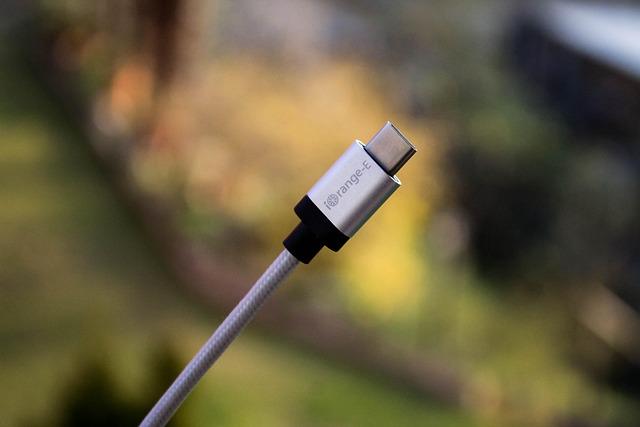
The demand for USB Type-C technology is set to reshape the UK’s consumer electronics landscape over the next decade, according to the latest insights from the “UK Market Analysis Report – 2036” by Future Market Insights. As devices continue to evolve toward faster data transfer and universal connectivity, USB Type-C is rapidly becoming the standard port across smartphones, laptops, and other gadgets. This surge in adoption is prompting manufacturers and retailers to rethink supply chains and product strategies in the UK market. Our in-depth analysis reveals key trends driving growth, competitive dynamics, and the challenges that lie ahead in meeting the escalating demand for USB Type-C over the coming years.
Rising Consumer Adoption Drives USB Type C Demand in the UK
The UK market is witnessing a sharp uptick in consumer preference for devices equipped with USB Type C ports, fueled by growing awareness of its advantages in speed, versatility, and universal compatibility. As smartphone, laptop, and peripheral manufacturers increasingly standardize this interface, shoppers are actively seeking products that support faster data transfer and improved charging efficiency. This shift is particularly pronounced among younger demographics, tech enthusiasts, and environmentally conscious buyers who value the reduction of electronic waste enabled by a common charging standard.
Key factors driving this trend include:
- Government initiatives promoting standardized charging solutions to combat e-waste
- Expansion of the USB Type C ecosystem beyond mobile devices to include gaming consoles and smart home gadgets
- Retailers offering incentives and bundles that feature USB Type C-compatible accessories
- Positive media coverage elevating consumer trust and demand
Market analysts predict that as more consumers adopt devices with USB Type C connectivity, manufacturers will accelerate innovation, further enhancing product offerings and solidifying USB Type C as the default interface across the UK’s tech landscape.
Technological Advancements and Regulatory Impact Shaping Market Growth
The surge in adoption of USB Type C technology in the UK is being propelled by rapid technological innovations that enhance device compatibility, charging speed, and data transfer capabilities. Manufacturers are consistently integrating advanced features such as improved power delivery standards and reversible connectors, making USB Type C the preferred choice for consumer electronics, laptops, and smartphones. Additionally, the rise of USB Type C hubs and adapters expands connectivity options, driving greater consumer demand and encouraging tech companies to innovate further.
On the regulatory front, the UK government’s enforcement of stringent standards for universal charging solutions has significantly influenced market dynamics. Policies aimed at reducing electronic waste by promoting standardized charging ports favor USB Type C adoption across industries, fostering sustainability initiatives and reducing consumer inconvenience. These regulations, combined with industry collaboration, are accelerating the transition to USB Type C, ensuring compliance while stimulating market growth for manufacturers and retailers alike.
- Integration of faster data transmission protocols
- Government mandates favoring universal chargers
- Increased investments in USB Type C R&D
- Emphasis on eco-friendly electronics designs
Strategic Recommendations for Stakeholders to Capitalize on Emerging Opportunities
To secure a dominant position in the rapidly evolving USB Type C market in the UK, stakeholders must prioritize innovation aligned with consumer convenience and sustainability. Manufacturers should invest heavily in R&D to develop versatile, high-speed charging and data transfer capabilities that cater to both consumer electronics and industrial applications. Embracing eco-friendly materials and sustainable production methods will not only meet increasing regulatory demands but also resonate with the environmentally conscious UK consumer base. Additionally, forging strategic partnerships with leading electronics brands and tech retailers can significantly enhance product visibility and distribution channels across the region.
Market entrants and incumbents alike should capitalize on untapped segments such as automotive tech, wearable devices, and smart home solutions, where USB Type C adoption is poised for exponential growth. Leveraging data analytics to monitor consumer preferences and emerging usage patterns will enable stakeholders to tailor product offerings more precisely. Furthermore, engaging actively with policymakers to shape favorable standards and regulations can serve as a competitive advantage, ensuring early compliance and influence over market norms. Together, these initiatives position stakeholders to harness the full potential of the UK’s burgeoning USB Type C demand well into 2036.
To Wrap It Up
As the UK moves steadily towards universal adoption of USB Type C technology, market dynamics are set for profound transformation. Industry stakeholders, from manufacturers to retailers, will need to adapt to shifting consumer preferences and regulatory pressures driving the transition. With improving device compatibility and increasing demand for faster charging and data transfer, the USB Type C market in the UK is poised for robust growth through 2036. Future Market Insights will continue to monitor these developments, providing in-depth analysis to help businesses navigate this evolving landscape.