
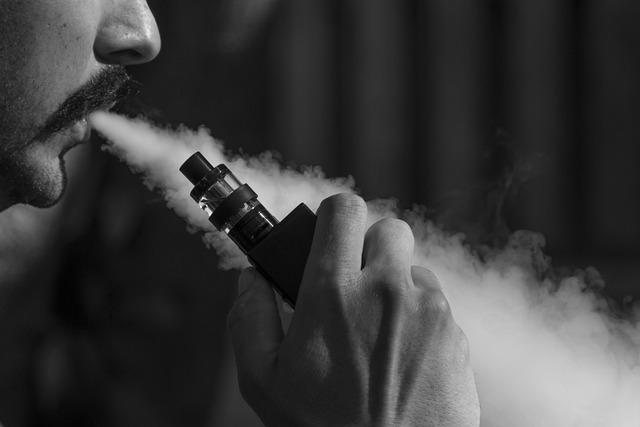
Vaping has surged in popularity as a perceived safer alternative to traditional smoking, largely because it skips the harmful process of combustion. However, emerging research and expert insights reveal that this method of nicotine delivery carries its own set of health and psychological risks. In this article, Psychology Today explores the complexities behind vaping’s appeal, its impact on mental health, and why the absence of smoke does not equate to the absence of danger.
Vaping Avoids Fire but Not Health Hazards
Electronic cigarettes have been marketed as a safer alternative to traditional smoking, primarily because they eliminate the risk of fire associated with burning tobacco. However, this absence of combustion does not equate to harmlessness. Researchers are uncovering a range of health concerns linked to vaping, challenging the notion that these devices are a benign substitute. The aerosol produced by e-cigarettes contains substances that can irritate the lungs and trigger inflammatory responses, potentially leading to long-term respiratory issues.
Recent studies highlight several alarming facts about vaping:
- Presence of harmful chemicals such as formaldehyde and acrolein, which are known irritants and toxins.
- Exposure to ultrafine particles that can penetrate deep into the lungs and bloodstream.
- Risk of nicotine addiction, especially among youth, with its associated neurological effects.
- Uncertainties about the long-term impact on cardiovascular and immune systems.
While vaping sidesteps the fires sparked by traditional cigarettes, the health risks remain significant and warrant caution and further investigation.
Understanding the Psychological Drivers Behind Vaping Trends
At the heart of the vaping surge lies more than just a quest for a smoke-free alternative; it taps deeply into psychological needs and social dynamics. Adolescents and young adults, in particular, are drawn to vaping as a form of identity exploration and peer connection, often perceiving it as a symbol of rebellion or modernity. This is compounded by marketing strategies that emphasize sleek designs and flavor variety, subtly reinforcing vaping’s appeal as a lifestyle choice rather than a nicotine delivery system.
Crucially, the allure is amplified by cognitive biases and risk perceptions that downplay potential harm. Many users exhibit a phenomenon known as optimism bias, believing they are less likely to experience negative health effects compared to others. Additionally, the misty vapor clouds and absence of traditional cigarette odors help mask the association with smoking’s well-documented dangers, building a false sense of safety. Understanding these psychological drivers is essential for public health efforts aiming to curtail vaping’s rapid growth among vulnerable populations.
- Peer influence: Social acceptance and group belonging fuel initiation.
- Identity formation: Using vaping to craft personal or social identities.
- Risk misperception: Underestimating the health dangers involved.
- Marketing impact: Flavors and design appeal to youth sensibilities.
Effective Strategies to Reduce Vaping Among Teens and Adults
Addressing the rising tide of vaping requires a multifaceted approach that combines education, regulation, and community engagement. Schools and public health organizations play a crucial role by implementing programs that highlight not only the addictive nature of nicotine but also the potential for long-term respiratory and cardiovascular issues. Clear, evidence-based messaging that debunks the common myth of vaping as a “safe alternative” is essential to shift perceptions. Peer-led initiatives and involvement of parents in open dialogues can also empower teens to make informed decisions and resist social pressures.
On a regulatory front, tightening restrictions on marketing tactics aimed at youth-especially the use of flavored e-liquids-and enforcing age verification can significantly curb accessibility. Meanwhile, adults benefit from tailored cessation support that addresses unique challenges such as stress management and habit replacement. Harm reduction strategies, including access to counseling, nicotine replacement therapies, and digital tools like quit apps, are gaining momentum for their practical impact.
- Targeted public awareness campaigns spotlighting the health risks
- Stricter sales enforcement to prevent underage access
- Community partnerships to sustain long-term prevention
Collectively, these efforts form a comprehensive defense against the epidemic, shifting the narrative away from vaping as a risk-free indulgence.
To Conclude
As vaping continues to gain popularity as an alternative to traditional smoking, it is crucial to recognize that the absence of combustion does not equate to the absence of risk. Emerging research underscores that while vaping may reduce certain harms associated with burning tobacco, it still poses significant psychological and physical health concerns. Public awareness and ongoing scientific investigation remain essential to fully understand the implications of vaping on individual and public health.