
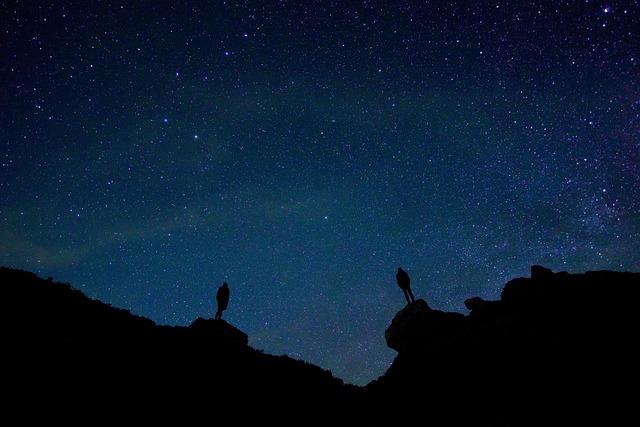
India is witnessing a remarkable surge in astrotourism as urban stargazers increasingly venture beyond city limits to experience the night sky in all its celestial glory. With light pollution hampering astronomical views in metropolitan areas, travelers are flocking to remote locales renowned for their clear, dark skies. This growing trend not only highlights India’s diverse natural landscapes but also underscores a rising public interest in astronomy and cosmic exploration. As destinations across the country develop infrastructure and guided experiences tailored to this niche market, the astrotourism boom is reshaping travel patterns and offering a new frontier for tourism in India.
Stargazing Surge Sparks New Astrotourism Destinations Outside Indian Cities
As urban light pollution reaches unprecedented levels, more Indian stargazers are venturing beyond city limits in search of darker skies. This trend has catalyzed a surge in astrotourism, with previously unnoticed rural areas becoming hotspots for celestial observation. Remote hill stations and desert locales in states like Himachal Pradesh, Rajasthan, and Uttarakhand are now gaining prominence as ideal stargazing retreats. Local governments are investing in infrastructure, including astronomy parks and guided night tours, to accommodate the growing demand.
Experts highlight several factors contributing to this boom:
- Improved accessibility: Enhanced road connectivity and transportation options have made distant observatories more reachable for urban populations.
- Rising awareness: Social media and astronomy clubs are educating enthusiasts on the benefits of dark skies for astrophotography and scientific observation.
- Economic opportunities: Small communities are capitalizing on astrotourism by developing eco-friendly accommodations and local craftsmanship related to astronomy themes.
These initiatives not only foster a deeper public interest in the cosmos but also stimulate local economies, positioning India as an emerging destination for global astrotourism.
How Urban Residents Are Embracing Rural Skies for Celestial Adventures
In recent years, a growing number of urbanites are escaping the relentless glow of city lights to immerse themselves in the pristine darkness of India’s rural landscapes. These sky enthusiasts are seeking the untouched heavens to witness celestial phenomena that remain hidden from metropolitan areas. Locations like Ladakh, the Western Ghats, and the Thar Desert have become hotspots for astrotourism, offering breathtaking views of the Milky Way, meteor showers, and even rare planetary alignments.
Local communities and authorities have responded by developing infrastructure tailored to stargazers, blending sustainable tourism with environmental consciousness. Visitors can now enjoy:
- Guided night sky tours led by astronomers and astrophotographers
- Dedicated dark-sky reserves preserving minimal light pollution
- Workshops and events celebrating Indian astronomical heritage
This fusion of rural serenity and cosmic wonder is reshaping India’s travel narrative, drawing a diverse crowd-ranging from amateur astronomers to curious families-united by their fascination with the universe beyond urban boundaries.
Expert Tips for Planning the Perfect Stargazing Trip in India’s Dark Sky Regions
To truly experience the celestial wonders of India’s dark sky regions, timing and preparation are crucial. Experts advise scheduling trips during the new moon phase to maximize visibility of stars and constellations, as minimal lunar light enhances the night sky’s brilliance. Additionally, checking local weather forecasts for clear skies is essential-regions like Ladakh in Jammu & Kashmir and the Rann of Kutch in Gujarat are renowned not only for low light pollution but also for favorable climatic conditions. Bringing along a high-quality telescope or binoculars can elevate the stargazing experience, while downloading astronomy apps beforehand allows for real-time identification of planets and stars, offering both amateur and seasoned stargazers a richer encounter.
When packing for your journey, consider these expert recommendations:
- Carry warm clothing, as temperatures can drop sharply at night in high-altitude and desert locations.
- Include portable chairs or reclining mats for comfortable, prolonged sky-watching sessions.
- Use red-light flashlights to preserve night vision while navigating in the dark.
- Stay hydrated and bring snacks, especially for remote areas where amenities are scarce.
- Respect local guidelines to minimize light and noise pollution, contributing to sustainable astrotourism.
Concluding Remarks
As India’s astrotourism sector continues to expand, more urban residents are venturing beyond city limits to experience the country’s increasingly celebrated night skies. With improved accessibility to remote locations and growing interest in astronomy, experts believe this trend not only fosters scientific curiosity but also promotes environmental awareness and sustainable travel. As stargazing gains momentum, India stands poised to shine as a prominent destination for both amateur and seasoned skywatchers worldwide.