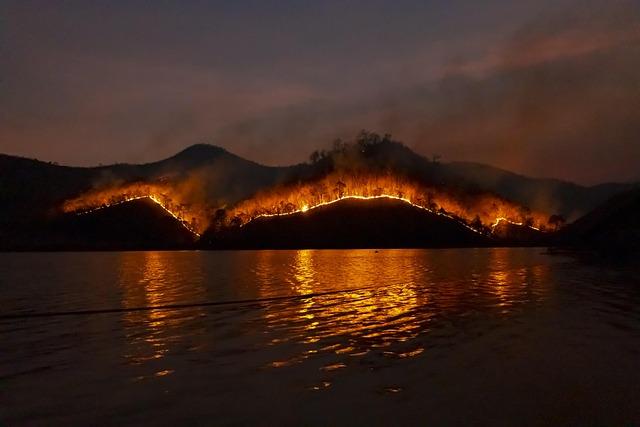
In recent weeks, a series of devastating wildfires sweeping across Argentina have not only ravaged vast swaths of land but also reignited disturbing antisemitic conspiracy theories that have lingered beneath the surface for decades. As firefighters battle the blazes, certain factions have seized the opportunity to revive age-old myths falsely blaming Jewish communities for the disasters. This resurgence highlights the persistent undercurrents of prejudice in the region and raises urgent questions about misinformation, social cohesion, and the role of media in combating hate in Latin America.
Argentina Wildfires Spark Resurgence of Deep-Rooted Antisemitic Conspiracies
In the wake of the recent wildfires devastating large parts of Argentina, a troubling wave of antisemitic conspiracy theories has resurfaced, echoing narratives from darker chapters of the past. Social media platforms and certain fringe groups have irresponsibly linked the chaos to supposed clandestine Jewish involvement, a baseless claim that has been widely debunked yet persists due to deep-seated prejudices and historical misinformation. This revival is particularly alarming as it coincides with a period of national tragedy, amplifying division and distracting from the collaborative efforts needed to combat the ongoing crisis.
The persistence of these unfounded accusations underscores a set of recurring themes often invoked in antisemitic rhetoric, including:
- The myth of secret global control by Jewish communities.
- Blaming minority groups for complex socio-environmental disasters.
- Scapegoating to deflect accountability from systemic failures in government and emergency response.
Authorities and civil society organizations have condemned these narratives, emphasizing the critical need for factual reporting and unity. They stress that rekindling such harmful conspiracy theories does nothing but fuel hate and obstruct national recovery efforts.
Historical Context of Antisemitism in Latin America Illuminates Current Discourse
The roots of antisemitism in Latin America stretch back to the migration waves of the late 19th and early 20th centuries, when Jewish communities sought refuge from persecution in Europe. Despite their contributions to local economies and cultures, these communities often became scapegoats in moments of national crisis. Historical patterns reveal a persistent undercurrent of conspiratorial narratives that blame Jews for societal ills, a trend that has been periodically inflamed by political groups and media outlets eager to capitalize on fear and uncertainty.
In Argentina, these latent prejudices have been periodically revived, often during times of upheaval or disaster. The recent wildfires have unfortunately reignited dangerous myths linking the Jewish population to arson or destabilization efforts, echoing old tropes that never fully disappeared. These accusations are frequently accompanied by:
- Disinformation campaigns in social media that target Jewish symbols and individuals.
- Political rhetoric exploiting fear to foster division and distract from governmental accountability.
- Historical revisionism that distorts the Jewish community’s role and presence in Latin American societies.
Addressing Misinformation and Promoting Intercommunal Dialogue to Counter Hate Speech
In the wake of the recent wildfires across Argentina, a disturbing resurgence of antisemitic conspiracy theories has surfaced, linking Jewish communities to the devastation in baseless accusations. Tackling these narratives requires more than just fact-checking; it demands a concerted effort to dismantle deeply ingrained myths through education and transparent communication. Media outlets, civil society, and government agencies must collaborate to provide clear, evidence-based information that counters falsehoods before they take root in public discourse. Social media platforms also bear a critical responsibility to monitor and mitigate the spread of hate speech disguised as commentary on current events.
Fostering dialogue between Argentina’s diverse communities offers a powerful antidote to prejudice and division. Initiatives that bring together representatives from various religious and cultural backgrounds can build understanding and solidarity, creating spaces where misinformation is challenged collectively. Key strategies include:
- Community workshops focused on media literacy, helping individuals discern credible sources from inflammatory content.
- Interfaith panel discussions addressing historical roots of antisemitism and promoting shared values.
- Public awareness campaigns emphasizing unity over division in times of crisis.
Only through proactive engagement and empathy can Argentina hope to counter the shadows of hatred that threaten to undermine social cohesion amid environmental tragedy.
In Summary
As Argentina continues to grapple with the devastating impact of recent wildfires, it is imperative to confront not only the environmental and humanitarian challenges but also the resurgence of dangerous antisemitic myths. These unfounded conspiracies, long debunked yet persistently resurfacing, threaten social cohesion and distract from the urgent need for collective action and solidarity. Addressing the root causes of both the natural disaster and the social tensions will require a commitment to factual discourse and empathy, ensuring that the devastation does not become a breeding ground for prejudice and division in Argentina’s diverse society.