
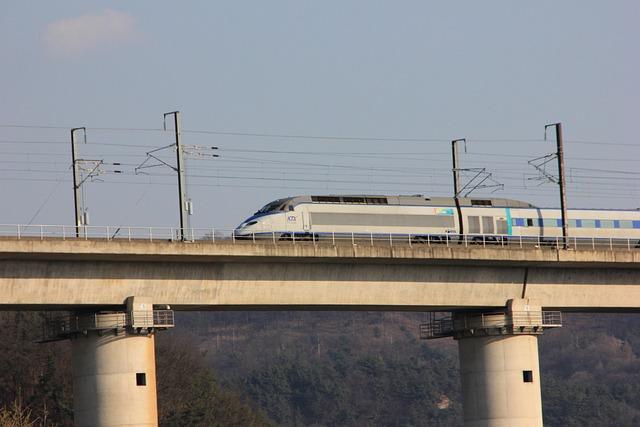
At least 20 people have been killed following a high-speed train derailment in southern Spain, authorities confirmed on Monday. The deadly crash, which occurred on a major rail line connecting key cities, has prompted an urgent investigation into the cause of the accident. Emergency services rushed to the scene to assist survivors and secure the area, as officials grapple with one of the worst rail disasters in recent Spanish history. Further details continue to emerge as rescue operations and inquiries unfold.
Casualties and Rescue Efforts in Southern Spain Train Derailment
Emergency services rushed to the scene following the devastating derailment of a high-speed train in southern Spain, where at least 20 lives were tragically lost. Rescue teams faced challenging conditions amid twisted metal and debris, working tirelessly to extract survivors and provide critical medical aid. Among the casualties, several passengers remain in a critical condition, receiving treatment at nearby hospitals as authorities continue to assess the full extent of the human toll.
Rescue efforts have involved:
- Deployment of over 300 firefighters and paramedics
- Use of specialized heavy machinery to clear wreckage
- Coordination between local, regional, and national agencies
- Temporary establishment of triage centers close to the accident site
Officials have emphasized ongoing support for victims’ families and have launched an investigation to determine the cause of the crash. Meanwhile, transportation authorities have suspended rail services in the affected area, promising updates as rescue and recovery operations progress.
Investigation into Possible Causes of High-Speed Train Crash
Authorities have launched a comprehensive inquiry to determine the factors that led to the catastrophic derailment of the high-speed train in southern Spain. Early assessments suggest that several technical and environmental elements are under scrutiny, including potential track malfunctions, signaling errors, and unexpected weather conditions at the time of the incident. Investigators are also examining the possibility of human error, ranging from track maintenance oversights to operational protocol lapses by the train crew.
Key areas of focus in the investigation include:
- Track infrastructure integrity: Inspecting rails for signs of damage, wear, or recent repairs.
- Train mechanical systems: Assessing braking mechanisms and onboard safety controls.
- Signaling and communication: Reviewing data logs to verify if any signal failures occurred.
- Weather conditions: Analyzing meteorological reports to identify any sudden hazards.
- Human factors: Investigating staff training, fatigue levels, and response actions.
As evidence is gathered and analyzed, officials have pledged full transparency, with regular updates promised to the public. The tragic event has prompted calls for rigorous safety evaluations across Spain’s high-speed rail network to prevent future catastrophes.
Safety Recommendations to Prevent Future Rail Accidents
To mitigate the risk of similar tragedies, authorities must prioritize the implementation of advanced monitoring technologies across railway networks. This includes the installation of state-of-the-art track sensors and automatic braking systems that can detect irregularities in real-time, enabling immediate response before derailments occur. Additionally, regular maintenance and rigorous safety audits are critical to identifying and addressing potential hazards on vulnerable routes, particularly in high-speed corridors.
Equally important is the enhancement of staff training programs focused on emergency response and operational vigilance. Emphasizing strict adherence to safety protocols and continuous professional development can significantly reduce human error, a common factor in many rail incidents. Public awareness campaigns that educate passengers on safety procedures and emergency actions further contribute to minimizing casualties when accidents do happen.
- Deployment of AI-powered track and train monitoring systems for early fault detection
- Regular, comprehensive safety inspections and infrastructure upgrades
- Mandatory, high-frequency training for all railway personnel on safety and emergency protocols
- Improved passenger safety guidelines and communication in stations and onboard trains
Closing Remarks
The investigation into the cause of the high-speed train derailment in southern Spain remains ongoing, as authorities work to determine the factors that led to the devastating crash. Emergency services continue to support the affected communities, while officials vow to implement measures to prevent future tragedies. Further updates will be provided as more information becomes available.