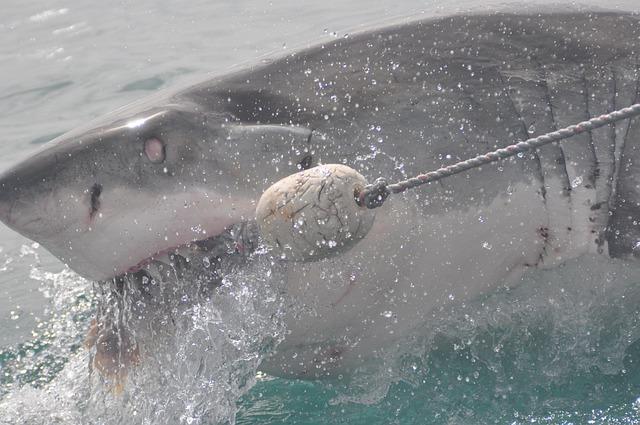
Australia has been shaken by its fourth shark attack in recent weeks, prompting urgent warnings from officials urging swimmers to avoid the ocean and opt for pools instead. The latest incident, which occurred off the coast of a popular beach destination, has intensified concerns over public safety as authorities scramble to respond to the growing threat. This spate of attacks has left communities on edge, highlighting ongoing challenges in managing human-shark interactions along the country’s famed coastline.
Oz shaken by fourth shark attack in weeks as local authorities issue urgent warnings
In a chilling turn of events, coastal communities across Australia are grappling with a surge in shark attacks, marking the fourth such incident in mere weeks. Local authorities have been quick to respond, issuing urgent advisories and ramping up beach patrols as concerned residents and tourists reconsider their safety in the water. Emergency services confirmed that the latest victim sustained non-life-threatening injuries but emphasized that the string of attacks highlights an escalating risk along popular swimming spots.
Officials have urged the public to heed warnings and make safer choices amid the heightened shark activity. Key recommendations from authorities include:
- Avoid swimming at dawn, dusk, or night, when sharks are most active.
- Use designated swimming pools where shark presence is nonexistent.
- Stay close to shore and in groups, reducing the risk of an encounter.
- Pay attention to local alerts and signage, which provide real-time information on shark sightings.
With beach closures and increased surveillance becoming the new normal, communities are rallying for heightened safety measures as experts study whether environmental factors are driving sharks closer to shorelines.
Experts analyze rising shark activity along popular beaches amid shifting ocean conditions
Marine biologists and coastal authorities are closely monitoring an unprecedented increase in shark sightings and incidents along Australian shores. Experts attribute this surge to a complex interplay of environmental changes, including rising sea temperatures, shifting prey migration patterns, and altered ocean currents. These factors are believed to be drawing sharks closer to shorelines that are traditionally popular with swimmers and surfers. Government agencies have intensified their surveillance efforts, deploying drones and sonar technology to track shark movements and provide timely warnings to beachgoers.
Key factors driving the rise in shark activity include:
- Warmer ocean temperatures disrupting marine ecosystems
- Changes in fish populations forcing predators closer to coastal waters
- Increased human recreational activity in shark-prone zones
- Less prey availability in deeper waters leading sharks to explore new hunting grounds
In response to the heightened risks, officials have urged the public to exercise extreme caution, recommending the use of swimming pools or patrolled beaches where shark netting is in place. Authorities emphasize the importance of heeding warning signs and staying informed through official channels to minimize encounters with potentially dangerous marine wildlife.
Officials urge swimmers to avoid open water and use pools to ensure safety during peak season
In response to the recent increase in shark attacks across Australian coastal waters, officials have implored the public to prioritize safety by choosing swimming pools over open water environments during the busy summer months. Authorities emphasize that while open water remains a popular destination, the risk posed by shark activity has reached concerning levels, prompting urgent calls for caution.
Experts recommend the following precautions to reduce the likelihood of encounters with sharks:
- Avoid swimming at dawn, dusk, or night, when sharks are most active.
- Refrain from entering murky or bait-rich waters that attract marine wildlife.
- Use designated swimming pools or patrolled beaches that offer controlled and safer environments.
- Stay within sight of lifeguards and observe any posted warnings or shark alerts.
To Wrap It Up
As Australia grapples with its fourth shark attack in recent weeks, authorities continue to urge caution among beachgoers, recommending swimming in pools as the safest alternative. With officials closely monitoring coastal waters and increasing patrols, the priority remains to protect the public while investigations into the incidents proceed. Swimmers are advised to stay informed of local warnings and adhere strictly to safety guidelines to minimize the risk of further encounters.