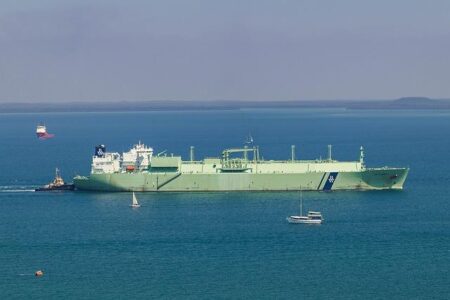

Italy-U.S. maritime connections have received a significant boost with the announcement that the port of Trieste is rejoining MSC’s Dragon service. This move marks a strategic enhancement in the shipping routes linking key Italian and American ports, promising to strengthen trade flows and economic collaboration between the two nations. As one of the Mediterranean’s most important gateways, Trieste’s reintegration into MSC’s network underscores the growing role of maritime logistics in supporting transatlantic commerce.
Italy and U.S. Maritime Connections Strengthened by Trieste’s Return to MSC Dragon Service
Trieste’s reintegration into MSC’s Dragon service marks a pivotal moment for maritime trade between Italy and the United States. As one of the Mediterranean’s critical ports, Trieste offers a strategic gateway that enhances the efficiency and reach of transatlantic shipments. This move not only streamlines cargo routes but also increases capacity, reducing transit times for goods traveling between Italy’s industrial hubs and key American markets. Stakeholders anticipate that this adjustment will facilitate smoother supply chain operations amid rising global demand.
Industry experts highlight several key benefits stemming from the renewed service, including:
- Improved connectivity for Italian exports, particularly automotive parts, machinery, and fashion goods.
- Enhanced access to major U.S. ports such as New York, Savannah, and Charleston, bolstering import efficiency.
- Strengthened collaboration between port authorities and logistics providers to support growing trade volumes.
These developments signal a robust commitment to fostering deeper Italy-U.S. economic ties through maritime infrastructure, positioning Trieste as a crucial node in transatlantic commerce.
Strategic Implications for Trade and Economic Growth in Transatlantic Shipping
The reintegration of Trieste into MSC’s Dragon service marks a significant turning point in transatlantic maritime logistics, poised to reshape trade dynamics between Italy and the United States. By restoring a direct shipping link, both economies stand to benefit from reduced transit times and enhanced supply chain reliability. This development not only streamlines the movement of goods but also reinforces Trieste’s strategic position as a pivotal maritime hub that connects Southern Europe with North American markets.
From an economic growth perspective, the revived service offers several strategic advantages:
- Increased Trade Efficiency: Faster turnaround times foster smoother export-import cycles, potentially boosting bilateral trade volumes.
- Job Creation: Revitalized port activity is expected to generate employment opportunities in logistics, shipping, and ancillary industries.
- Supply Chain Resilience: Enhanced connectivity diversifies routes, mitigating risks associated with congestion and geopolitical disruptions.
- Investment Attraction: The boosted maritime corridor can incentivize foreign direct investment in infrastructure and technology sectors along the route.
Together, these factors underscore the broader economic implications of Trieste’s return to the Dragon service, framing it as a catalyst for sustained growth and deeper transatlantic collaboration.
Recommendations for Stakeholders to Maximize Benefits from Enhanced MSC Service Integration
To fully capitalize on MSC’s reintegration of Trieste into the Dragon service, port authorities and local governments must prioritize streamlined customs procedures and infrastructural upgrades that accommodate increased cargo flows. Enhancing digital platforms to ensure real-time tracking and efficient communication between carriers and terminal operators will be crucial. Stakeholders should foster collaborative frameworks that include training programs for labor forces, aiming to improve operational efficiency and reduce turnaround times.
Meanwhile, shipping companies and logistics providers should leverage this enhanced service integration by expanding their multimodal connections linking Trieste with key inland markets across Europe. Strategic partnerships focused on synchronized schedules and shared resources can amplify supply chain resilience and cost-effectiveness. Additionally, policy makers can support these efforts by incentivizing sustainable practices and investments that reinforce Trieste’s role as a pivotal maritime hub bridging Italy and the U.S.
In Conclusion
As Trieste rejoins MSC’s Dragon service, the revitalized maritime link underscores the enduring economic and strategic partnership between Italy and the United States. This development not only enhances trade flows through a critical Mediterranean hub but also signals a broader commitment to strengthening transatlantic connectivity. With improved shipping routes and increased capacity, both nations stand to gain from boosted commerce and deeper cooperation in an ever-evolving global trade landscape.