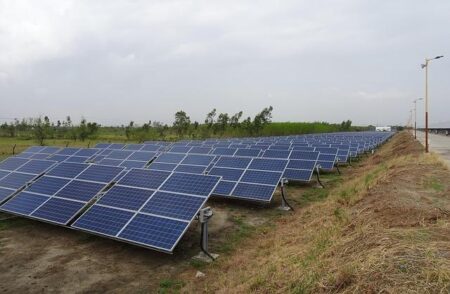
Brazil’s renewable energy sector is facing mounting challenges as soaring prices exacerbate the impact of curtailment, industry experts warn. According to a recent analysis by bnamericas.com, the rising costs are intensifying financial pressures on renewable power producers, threatening the country’s ambitious clean energy targets. With Brazil positioned as a key player in the global transition to sustainable energy, stakeholders are calling for urgent policy measures to address the growing economic strain caused by operational restrictions and market volatility.
Brazil Faces Rising Costs as Renewable Curtailment Intensifies
As Brazil’s energy landscape evolves, the country is grappling with escalating challenges linked to renewable energy curtailment. The phenomenon, where excess power generated from sources like wind and solar is intentionally reduced or wasted, is taking on a more significant economic burden amid surging electricity prices. Analysts warn that this growing trend not only undermines the efficiency of Brazil’s clean energy investments but also exacerbates the financial strain on consumers and utility operators who face higher operational costs and volatility in electricity markets.
Key factors intensifying the impact include:
- Grid constraints that limit the capacity to distribute renewable power efficiently across regions, causing bottlenecks during peak generation periods.
- Insufficient energy storage solutions which hinder Brazil’s ability to retain surplus energy for later use.
- Regulatory challenges delaying the integration of flexible market mechanisms that could mitigate curtailment effects.
Industry experts emphasize that unless these issues are addressed through accelerated infrastructure upgrades and regulatory reforms, the financial repercussions linked to curtailment may deepen, slowing Brazil’s transition toward a more sustainable energy future.
Economic Impact of High Energy Prices on Brazil’s Renewable Sector
The surge in energy prices across Brazil has exacerbated the financial strain on the country’s renewable energy sector, particularly amidst growing curtailment challenges. As grid operators prioritize cost efficiency, renewable plants often face restrictions on output despite having available capacity, leading to significant revenue losses. This dynamic undermines investor confidence and complicates project financing, threatening to slow the momentum of Brazil’s ambitious clean energy agenda.
Key economic consequences include:
- Reduced profitability for renewable energy producers, notably in wind and solar power.
- Delayed or scaled-back investment plans due to lower expected returns.
- Increased operational uncertainty affecting job stability within the sector.
- Pressure on government policies to enhance grid flexibility and market mechanisms.
As the sector navigates these hurdles, stakeholders are calling for accelerated infrastructure upgrades and regulatory reforms to balance market prices with the imperative to maximize renewable generation. Without timely intervention, the economic ripple effects of curtailment amid high energy prices could stall Brazil’s transition to a low-carbon future.
Strategies for Mitigating Curtailment Effects and Stabilizing Brazil’s Energy Market
To address the escalating financial impacts caused by increased curtailment in Brazil’s renewable sector, policymakers and energy stakeholders are exploring a mix of technological and regulatory measures aimed at enhancing grid flexibility and market resilience. Investments in advanced energy storage solutions, such as large-scale batteries and pumped hydro storage, are emerging as critical components to smooth out supply fluctuations caused by intermittent renewable sources. Alongside this, improving grid infrastructure through digitalization and smart grid technologies is enabling more precise demand forecasting and real-time load management, which collectively reduce the incidence and severity of curtailment events.
On the regulatory front, authorities are pushing for reforms that incentivize better market participation by renewables and encourage diversification of energy portfolios. Key strategies include:
- Introducing dynamic pricing models that reflect real-time supply-demand conditions, allowing renewables to remain competitive even during periods of oversupply.
- Implementing capacity remuneration mechanisms to reward plants that can deliver reliable output during peak demand.
- Strengthening regional interconnections to facilitate the flow of excess renewable energy to neighboring markets, which helps balance supply and dampen price volatility.
Collectively, these interventions aim not only to mitigate the financial losses linked with curtailment but also to pave the way for a more sustainable and stable energy market in Brazil.
Future Outlook
As Brazil continues to expand its renewable energy capacity, the rising costs associated with curtailment pose significant challenges for the sector’s growth and economic viability. Stakeholders will need to navigate these financial pressures carefully to ensure that investments in clean energy remain attractive and that the country can meet its ambitious sustainability targets. Monitoring market dynamics and implementing strategic policy adjustments will be crucial in mitigating the impact of high prices on the nation’s renewable energy future.