
Spain is grappling with the aftermath of its deadliest train disaster in more than ten years, a tragic event that has shocked the nation and drawn international attention. As emergency services continue their efforts at the crash site, authorities have begun investigations into the causes of the accident, while families and communities mourn the victims. This article examines the known facts surrounding the disaster, the response from officials, and the broader implications for Spain’s railway safety.
What Led to Spain’s Deadliest Train Crash in Over Ten Years
The devastating railway accident has been attributed to a confluence of factors that exacerbated the severity of the crash. Preliminary investigations suggest that excessive speed on a curved section of the track played a critical role in the derailment. Technical assessments are underway to determine whether signaling failures or human error contributed to the train exceeding safe speed limits. Additionally, the infrastructure’s maintenance records are being scrutinized to understand if any lapses in safety protocols may have indirectly influenced the incident.
Experts have also highlighted the following elements as potential contributors:
- Track condition and design – Questions arise about whether the curves and gradients were suited to the operated train speeds.
- Staff training and communication – Investigators are evaluating whether operational communication breakdowns occurred during the journey.
- Emergency response readiness – The effectiveness and timing of rescue efforts could impact the overall toll of casualties and injuries.
These factors collectively underscore the complexity of the tragedy and the urgent need for comprehensive reviews of rail safety standards across the country.
Emergency Response and Rescue Efforts Amid the Tragedy
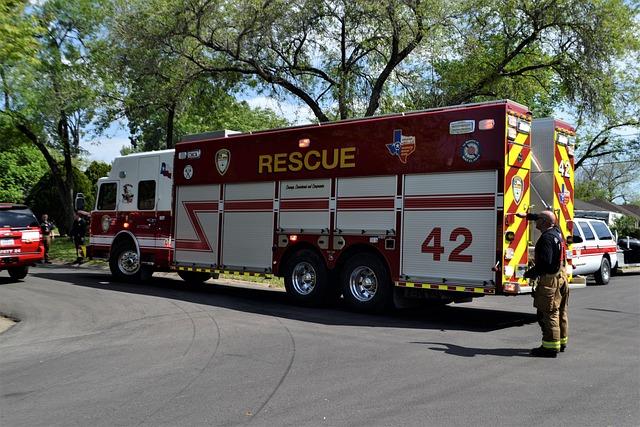
In the immediate aftermath of the catastrophic derailment, emergency services swiftly mobilized to the scene, battling difficult terrain and adverse weather conditions to reach survivors. Teams composed of firefighters, medical personnel, and search and rescue dogs worked tirelessly through the night, prioritizing the extraction of trapped passengers and providing urgent medical care onsite. The local hospitals were quickly put on high alert, with surgical units preparing for influxes of critical injuries. Authorities also established a temporary command center near the crash site to coordinate logistics and facilitate communication among the various responding agencies.
Key components of the rescue operation included:
- Deployment of heavy machinery to remove wreckage and create access points.
- Use of aerial drones and infrared technology to identify the locations of survivors.
- Rapid triage protocols to prioritize aid based on injury severity.
- Psychological support teams dispatched to assist victims and first responders.
- Collaboration with local volunteer organizations to provide food, medical supplies, and shelter for displaced individuals.
The coordinated efforts highlight the gravity of the incident while underscoring the resilience and readiness of Spain’s emergency infrastructure. Authorities continue to investigate the cause as rescue workers remain focused on saving lives and supporting the affected families.
Calls for Improved Rail Safety Measures to Prevent Future Disasters
In the aftermath of the devastating rail accident, urgent appeals have been made by experts, families of victims, and advocacy groups demanding comprehensive reforms to bolster rail safety across Spain. Calls focus on the need for upgraded signaling systems, improved track maintenance, and enhanced driver training programs to mitigate human error. Industry insiders stress that current infrastructure and technology lag behind international standards, leaving passengers vulnerable to avoidable risks.
Key safety measures under discussion include:
- Installation of advanced automatic braking systems to prevent collisions and derailments.
- Regular and rigorous safety audits with transparent public reporting.
- Investment in state-of-the-art rail monitoring technologies for early hazard detection.
- Comprehensive emergency response protocols with coordinated efforts between rail operators and local authorities.
In Conclusion
As investigations continue into Spain’s deadliest train disaster in over ten years, authorities and emergency services remain focused on uncovering the causes and providing support to the victims and their families. The tragic incident has prompted renewed calls for improved rail safety measures across the country. While answers are still emerging, the nation mourns the loss and reflects on the urgent need to prevent such catastrophes in the future. BBC will keep following developments and bring updates as more information becomes available.