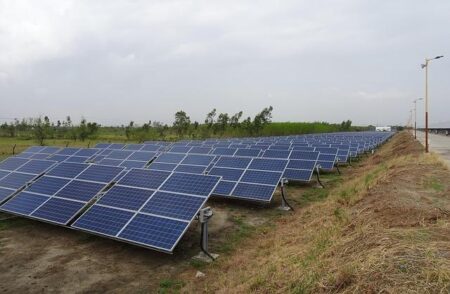
Italy has achieved a new milestone in renewable energy, with solar power production reaching record levels in 2025, according to data released by Terna, the country’s electricity grid operator. The surge underscores Italy’s accelerating transition towards cleaner energy sources amid growing efforts to reduce carbon emissions and enhance energy security. This latest development places Italy among the leading European nations harnessing solar energy, reflecting both increased capacity and favorable weather conditions that have boosted solar output across the country.
Italy Surpasses Solar Power Milestone in 2025 as Terna Reports Unprecedented Growth
Italy has achieved a significant breakthrough in renewable energy, with solar power production reaching unprecedented levels in 2025, according to the latest data released by Terna, the national electricity grid operator. This surge marks a pivotal shift in the country’s energy landscape, driven by a combination of increased solar panel installations, technological advancements, and favorable weather conditions. The milestone underlines Italy’s commitment to transitioning towards sustainable energy sources, reinforcing its role as a leader in Europe’s clean energy revolution.
Key factors contributing to this rapid growth include:
- Expansion of photovoltaic capacity: A substantial increase in new solar farms and residential solar systems.
- Enhanced grid integration: Upgrades in infrastructure allowing for more efficient transmission and distribution of solar-generated electricity.
- Supportive policy frameworks: Government incentives and regulatory measures encouraging solar investment and innovation.
Terna’s report also highlights the positive impact of this achievement on reducing carbon emissions and decreasing dependence on fossil fuels, positioning Italy on track to meet its ambitious climate targets ahead of schedule.
Regional Contributions and Infrastructure Upgrades Drive National Solar Surge
Italy’s push toward renewable energy has been notably propelled by key regional initiatives, with southern provinces like Puglia and Sicily taking the lead in solar power generation. These areas have leveraged abundant sunlight and favorable local policies to boost capacity significantly, contributing a substantial share to the nation’s new solar records. Investments in advanced photovoltaic technologies and community-driven solar farms have created a ripple effect, encouraging neighboring regions to accelerate their own solar projects.
Alongside regional momentum, critical infrastructure upgrades by Terna, Italy’s grid operator, have smoothed the integration of solar energy into the national grid. Modernized transmission lines and enhanced grid management systems now accommodate fluctuating solar inputs more efficiently, reducing bottlenecks and power losses. Key components of these improvements include:
- Expansion of high-voltage transmission corridors connecting solar-rich areas to major demand centers.
- Implementation of smart grid technologies to optimize energy flow and storage capabilities.
- Upgraded substations equipped with real-time monitoring for better reliability.
These synergistic efforts between regional actors and national infrastructure have been critical in driving Italy’s solar power production to unprecedented levels.
Experts Recommend Accelerated Investment in Storage Solutions to Maximize Solar Efficiency
Industry leaders emphasize that the rapid growth in solar power generation across Italy demands a parallel advancement in energy storage technologies. Without substantial investment in large-scale batteries and other storage solutions, much of the surplus solar energy produced during peak hours risks being lost, undermining the stability of the grid. Experts argue that optimized storage capacity is critical to harnessing the full potential of solar power, ensuring consistent supply even when sunlight is unavailable.
Key recommendations from specialists include:
- Expanding battery storage infrastructure to balance supply and demand effectively.
- Incentivizing research and development for next-generation energy storage systems.
- Integrating smart grid technologies to improve energy management and distribution.
Stakeholders warn that accelerated funding and policy support are essential to avoid bottlenecks in solar energy utilization and to drive Italy’s transition toward a sustainable energy future.
Concluding Remarks
As Italy continues to expand its renewable energy capacity, the record-breaking solar power production in 2025 underscores the country’s commitment to a sustainable energy future. With ongoing investments and supportive policies, industry experts anticipate that solar energy will play an increasingly vital role in meeting Italy’s climate goals and reducing reliance on fossil fuels. Terna’s latest data highlights a significant milestone in the nation’s clean energy transition, signaling positive momentum for Italy’s green energy ambitions in the years ahead.