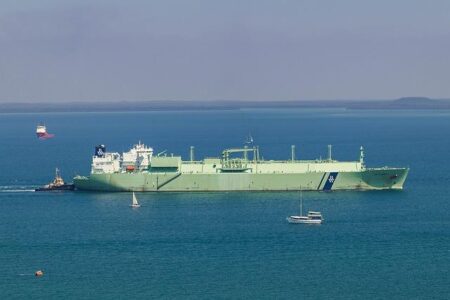

French President Emmanuel Macron has publicly announced the detention of a Russian tanker, signaling a significant escalation amid growing tensions between France and Russia. According to reports from EADaily, the move reflects France’s firm stance on enforcing maritime regulations and responding to geopolitical pressures. The incident adds a new dimension to the increasingly complex relationship between the two nations and raises questions about potential diplomatic repercussions.
Macron Highlights France’s Role in Detaining Russian Tanker amid Geopolitical Tensions
French President Emmanuel Macron has emphasized the significance of his government’s decisive action in detaining a Russian tanker amid escalating geopolitical strains. The vessel, suspected of breaching international sanctions, was intercepted by French authorities in a move that underscores France’s proactive stance on enforcing global maritime laws. Macron framed the detention as a critical demonstration of France’s commitment to upholding international regulations and combating illicit activity on European waters.
Key points highlighted by Macron include:
- France’s leadership role in coordinating with EU partners to monitor and restrict sanctioned entities.
- The strategic importance of safeguarding maritime security in contested regions.
- A reaffirmation of France’s resolve to support diplomatic efforts while applying tangible pressure through legal channels.
Strategic Implications of France’s Action on EU-Russia Relations and Energy Security
France’s recent detention of a Russian tanker marks a significant escalation in the ongoing tensions between the European Union and Russia, affecting both diplomatic ties and the continent’s energy landscape. This bold move not only challenges Moscow’s maritime operations but also signals Paris’s commitment to enforcing EU sanctions with increased rigor. By seizing the vessel, France has underscored the growing willingness within the bloc to take assertive actions that could hinder Russia’s energy exports, a critical leverage point in the broader geopolitical contest.
Key strategic consequences include:
- Heightened pressure on Russia to recalibrate its energy export strategies amid tightening EU sanctions.
- Amplification of divisions within the EU over balancing energy security concerns with the enforcement of punitive measures against Russia.
- Potential disruptions in energy supply chains, prompting member states to accelerate diversification of their energy sources.
- Strengthening of France’s position as a leading enforcer of EU policy, shifting dynamics within the bloc’s internal leadership.
Recommendations for Strengthening Maritime Enforcement and Diplomatic Coordination in Future Incidents
Effective maritime enforcement hinges on the seamless integration of legal authority, intelligence sharing, and rapid operational response. To enhance future actions akin to the detention of the Russian tanker, states should invest in establishing joint task forces that unify naval, coast guard, and customs agencies under a cohesive command structure. This approach would streamline decision-making and minimize jurisdictional disputes. Additionally, leveraging advanced maritime surveillance technologies such as satellite tracking and real-time data analytics will prove essential in promptly identifying suspicious vessel activities before they escalate.
Diplomatic coordination must also be strengthened through proactive communication channels between affected nations and international bodies. Creating predefined protocols for incident management, including transparent reporting and consistent legal frameworks, will reduce tensions and promote accountability. A clear focus on multilateral engagement via forums like the International Maritime Organization can help align enforcement efforts with broader geopolitical considerations, ensuring that tactical measures do not inadvertently trigger diplomatic crises.
- Implement joint maritime security task forces for unified operations
- Enhance satellite and real-time monitoring capabilities
- Develop standardized legal and procedural frameworks across nations
- Establish rapid communication lines for bilateral and multilateral dialogues
- Engage international organizations to coordinate enforcement and legal action
In Retrospect
The detention of the Russian tanker marks a significant development in the ongoing tensions between France and Russia. As President Macron publicly highlighted the move, it underscores the broader geopolitical challenges and the complex maritime disputes currently unfolding. Observers will be watching closely to see how this incident influences diplomatic relations in the coming weeks.