
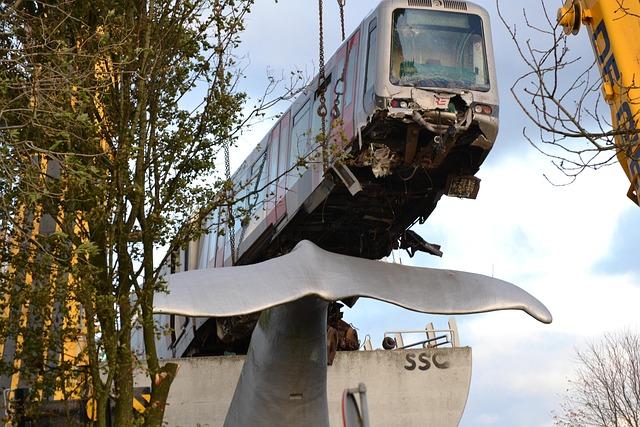
Several passengers sustained minor injuries after a train collided with a crane in southern Spain, the national rail operator Renfe confirmed. The incident, which disrupted services and prompted an immediate emergency response, took place earlier today. Authorities are currently investigating the circumstances surrounding the crash to determine its cause and assess any further impact on rail operations in the region.
Train Collision with Construction Crane in Southern Spain Causes Multiple Injuries
The incident occurred late Tuesday afternoon when a passenger train operated by Renfe collided with a construction crane positioned near the tracks in a suburban area of southern Spain. Officials confirmed that the train struck the crane while en route, leading to several injuries among passengers and crew members. Emergency teams were quickly deployed to the scene, providing medical assistance and transferring the injured to nearby hospitals.
Renfe’s spokesperson reported that although the number of casualties is not extensive, those affected suffered primarily minor injuries. Authorities are investigating the circumstances that led to the crane being so close to the active rail line during the train’s passage. Key points about the incident include:
- The collision caused temporary disruptions on the route, with alternative transport arranged.
- Construction work in the vicinity has been suspended pending a full safety review.
- Railway operators emphasized their commitment to passenger safety and are cooperating with local authorities to determine fault.
Emergency Response and Safety Measures Implemented by Renfe Following Incident
Immediately following the collision between the train and a crane in southern Spain, Renfe launched its comprehensive emergency protocol to ensure passenger safety and rapid medical assistance. First responders, including local emergency services and medical teams, were promptly dispatched to the scene to assess and treat those affected. Onsite personnel coordinated evacuation procedures, prioritizing the safe and orderly disembarkation of all passengers. Renfe’s control center maintained continuous communication with train staff to monitor the situation and provide real-time updates to families and authorities.
In the wake of the incident, Renfe reinforced several safety measures aimed at preventing similar accidents in the future. These include:
- Enhanced track inspection routines with increased frequency around construction zones.
- Improved coordination protocols between railway operators and construction contractors working near active lines.
- Upgraded driver alert systems to detect and respond more efficiently to unexpected obstacles on the tracks.
- Regular emergency drills to sharpen response times and ensure staff readiness.
Renfe affirmed its commitment to passenger safety and vowed to conduct a thorough investigation alongside local authorities to determine the exact cause of the accident and implement all necessary corrective actions.
Recommendations for Enhancing Railway Construction Site Protocols to Prevent Future Accidents
To mitigate the risk of similar incidents in the future, implementing stringent safety measures at railway construction sites is imperative. This includes enhancing communication protocols between train operators and ground personnel to ensure real-time updates about ongoing activities near tracks. Additionally, incorporating advanced monitoring technologies such as GPS tracking and automated warning systems can provide early alerts to both crane operators and train drivers, significantly reducing the likelihood of collisions. Regular safety audits and risk assessments should also be mandated, focusing on site layout, equipment positioning, and the visibility of critical signage.
Key recommendations include:
- Establishing clear operational zones with high-visibility barriers around active machinery placement.
- Mandatory comprehensive training programs for all personnel on emergency response and hazard identification.
- Implementing synchronized scheduling systems to avoid simultaneous movement of heavy equipment and train traffic.
- Utilizing remote-controlled or automated cranes where feasible to minimize human error.
- Enhancing collaboration between construction supervisors, train operators, and local authorities to coordinate activities effectively.
Insights and Conclusions
The investigation into the circumstances surrounding the collision between the train and the crane in southern Spain is ongoing. Renfe has confirmed that emergency services promptly attended to the scene, ensuring that the injured received medical care. Authorities continue to assess the situation to prevent similar incidents in the future and to restore normal rail operations as quickly as possible. Further updates will be provided as more information becomes available.