
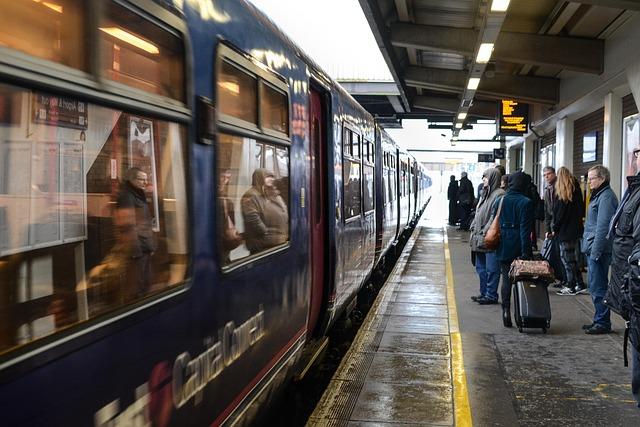
This week, Spain has been shaken by a series of multiple train crashes that have raised urgent questions about railway safety and infrastructure oversight. As authorities work to investigate the causes and respond to the aftermath, the incidents have sparked concern among commuters, officials, and transport experts alike. This article provides a comprehensive overview of what is known so far about the crashes, their impact, and the steps being taken to prevent future tragedies.
Recent Train Collisions in Spain Spur Nationwide Safety Investigations
Authorities across Spain have launched comprehensive safety investigations following a series of train collisions this week that have raised serious concerns about rail travel security. Preliminary reports suggest that a combination of technical malfunctions and human error may have contributed to the incidents, prompting a nationwide review of railway protocols. Emergency services responded swiftly, with hundreds of passengers evacuated and treated for injuries ranging from minor to critical. Rail operators have suspended certain routes temporarily as experts work to analyze black box data and track signal conditions.
In response to public outcry and the gravity of the collisions, officials have outlined several immediate actions aimed at preventing future accidents. Key measures include:
- Intensified safety audits of railway infrastructure and signaling systems
- Mandatory retraining programs for train operators and dispatch personnel
- Investment in advanced monitoring technology to detect anomalies in real-time
- Increased transparency through regular updates to the public and stakeholders
As investigations continue, the Spanish government assures the public that safeguarding passenger safety remains the top priority, with no stone left unturned to restore confidence in the nation’s rail network.
Analyzing Causes Behind Spain’s Multiple Rail Accidents This Week
The recent spate of train accidents in Spain has reignited concerns over the country’s rail infrastructure and safety protocols. Preliminary investigations point to a combination of factors, including outdated signaling systems, insufficient maintenance on key rail lines, and potential human error. Experts emphasize that some of the affected routes have been operating past their recommended service lifespan, raising questions about the adequacy of current investments in modernization efforts. Additionally, environmental conditions such as heavy rains earlier in the week may have contributed to track degradation, further complicating operational safety.
Authorities are also scrutinizing the operational pressures placed on train personnel amid an ongoing staffing shortage. Reports highlight challenges like increased train frequency to meet rising demand, which could compromise attention and response times. Key points raised by rail safety analysts include:
- Inadequate real-time monitoring systems that delay hazard detection.
- Communication lapses between control centers and train operators.
- Delays in scheduled infrastructure upgrades as a result of budget reallocations.
As investigations continue, the government has pledged to accelerate reforms aimed at addressing these vulnerabilities to prevent further tragedies.
Key Safety Measures and Expert Recommendations for Preventing Future Crashes
In response to the recent spate of train accidents, transportation authorities and safety experts emphasize the urgent need for enhanced monitoring and upgraded infrastructure. Key strategies include the integration of advanced signaling systems and the deployment of real-time track condition sensors designed to identify potential hazards before they escalate. Additionally, rigorous training programs for operators focusing on emergency response protocols are being prioritized to minimize human error during critical situations. Experts also advocate for increased investment in railway maintenance, ensuring that tracks and rolling stock meet stringent safety standards consistently.
Industry leaders recommend a multifaceted approach involving collaboration between government agencies, rail companies, and technology developers. Among the proposed measures are:
- Implementation of AI-driven predictive analytics to detect irregularities in train operations and infrastructure.
- Deployment of automated braking systems that activate during unexpected obstacles or signal failures.
- Enhanced passenger communication protocols to improve safety awareness and rapid evacuation procedures.
- Regular audits and transparency initiatives ensuring full accountability in rail safety management.
These combined efforts aim to create a more resilient and secure rail network, drastically reducing the risk of future incidents.
Insights and Conclusions
As investigations continue into the multiple train crashes that have shaken Spain this week, authorities are working diligently to determine the causes and prevent future tragedies. The incidents have prompted renewed calls for enhanced safety measures and infrastructure reviews across the country’s rail network. Stay tuned to TheParisNews.com for ongoing updates as more information becomes available.