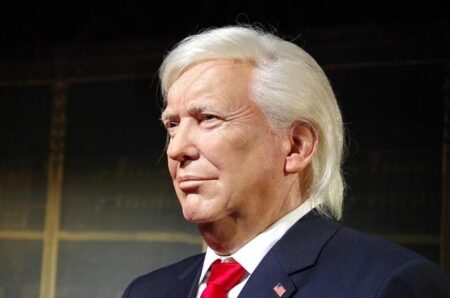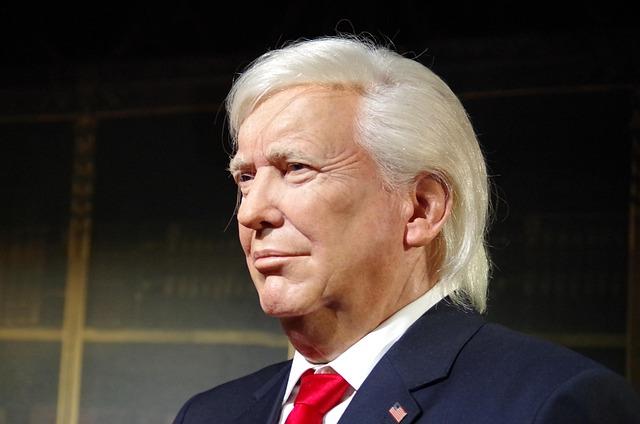
Former U.S. President Donald Trump has once again escalated trade tensions by threatening to impose 100% tariffs on Canadian goods in response to a recent trade agreement between Canada and China. In a series of sharply worded statements, Trump warned that the deal would put Canada at a severe disadvantage, claiming that “China will eat Canada alive.” This latest development adds a new layer of complexity to North American trade relations, raising concerns among businesses and policymakers on both sides of the border.
Trump escalates trade tensions with Canada over China agreement
In a move that has sent shockwaves through international trade circles, former President Donald Trump has issued a stark warning to Canada following its recent trade agreement with China. He threatened to impose a sweeping 100% tariff on Canadian imports, claiming that the deal would leave Canada vulnerable to economic domination by Beijing. Trump emphasized the risk of Canada being “eaten alive” by Chinese market forces, framing the agreement as a direct threat to U.S. economic interests and regional security.
Trade analysts warn this escalation could lead to significant disruptions in North American supply chains and heightened political friction between two longtime allies. Key points of contention include:
- The potential impact on Canadian sectors such as agriculture, automotive, and energy.
- The broader implications for U.S.-Canada cooperation on China-related trade policies.
- Concerns over the erosion of the strategic partnership underpinning the USMCA trade framework.
As tensions mount, policy experts caution that unilateral tariff impositions could provoke retaliatory measures, potentially igniting a wider trade conflict between the U.S. and Canada. The developments underscore the volatile nature of geopolitical trade relations amid shifting global alliances.
Analysis of potential economic impact of 100 percent tariffs on Canadian industries
The imposition of a 100% tariff on Canadian goods risks triggering a swift and severe economic backlash across multiple key sectors. Industries such as automotive manufacturing, agriculture, and natural resources could face skyrocketing export costs, diminishing their competitive edge in the U.S. market. For example, Canadian automotive exports to the U.S., which represent a substantial share of the industry, would become prohibitively expensive, forcing companies to consider layoffs, production relocations, or supply chain disruptions. Similarly, agricultural producers could be hit with sharply reduced demand, as American consumers and businesses turn to alternative sources to avoid inflated prices.
Beyond immediate financial damages, the broader economic ecosystem stands to suffer in several ways:
- Sharp decline in cross-border investment due to increased uncertainty and trade barriers.
- Job losses in export-reliant sectors, potentially spilling over into service industries dependent on those workers.
- Heightened inflationary pressures driven by increased costs for imported Canadian goods, affecting consumer prices in the U.S.
- Potential retaliation from Canada, exacerbating trade tensions and destabilizing supply chains on both sides of the border.
Strategies for Canadian businesses to mitigate risks amid worsening US-China-Canada trade relations
Canadian businesses facing escalating tensions between the US, China, and Canada must pivot quickly to safeguard their supply chains and market access. Diversification of suppliers beyond traditional partners is critical, reducing overreliance on any single economy. Companies should also explore closer trade relationships within emerging markets in Asia, Latin America, and Europe, ensuring they capitalize on new growth corridors. Additionally, investing in technology and innovation can enhance operational resilience, enabling Canadian firms to adapt swiftly to regulatory and tariff changes imposed by foreign governments.
Key strategies include:
- Strengthening partnerships with local Canadian suppliers to minimize cross-border vulnerabilities.
- Lobbying for government support, such as tariff relief programs and export incentives, to offset increased trade costs.
- Enhancing compliance measures with US and Chinese trade regulations to avoid punitive penalties.
- Exploring vertical integration opportunities to control more of the supply chain internally.
By proactively implementing these approaches, Canadian businesses can buffer the economic fallout from aggressive trade posturing and maintain competitive positioning in a volatile international landscape.
Key Takeaways
As tensions escalate between the United States and Canada over trade relations with China, the prospect of sweeping tariffs looms large, threatening to reshape North American economic dynamics. With President Trump’s stark warning highlighting the stakes, businesses and policymakers on both sides face mounting uncertainty. How this dispute will evolve remains to be seen, but its impact on Canada’s trade landscape and its diplomatic ties with both the U.S. and China is poised to be significant in the coming months.