
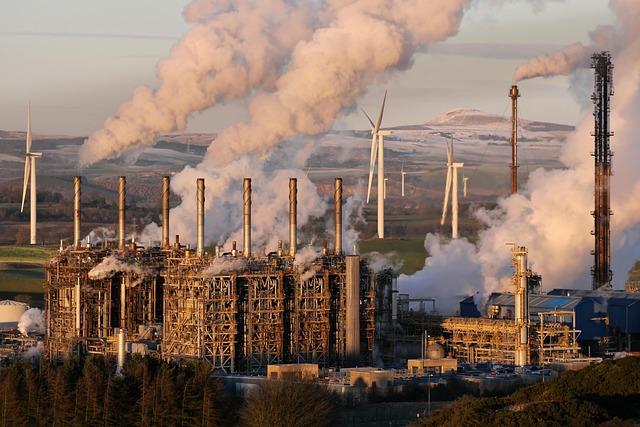
The United Kingdom’s ethylene dichloride market is set for significant growth, with projections indicating a rise to 361,000 tons in volume and a market value of $176 million by 2035, according to a recent report by IndexBox. This surge reflects increasing demand across key industrial sectors, as well as evolving market dynamics within the chemical industry. Experts say the expanding use of ethylene dichloride-primarily in the production of vinyl chloride monomer, a precursor to PVC-will be a major driving force behind this upward trajectory. The report sheds light on the factors influencing supply and demand, trade patterns, and future opportunities shaping the UK’s ethylene dichloride landscape in the coming years.
The United Kingdom’s Ethylene Dichloride Market Shows Strong Growth Prospects
The United Kingdom’s ethylene dichloride (EDC) market is poised for significant expansion over the next decade, driven by increasing demand across various industrial sectors. Forecasts indicate that by 2035, the market volume will reach an impressive 361,000 tons, underscoring robust growth fueled primarily by the plastics and chemical manufacturing industries. This surge is attributed to the country’s strategic investments in manufacturing infrastructure, as well as the rising adoption of EDC as a critical intermediate in the production of vinyl chloride monomer (VCM), a precursor for polyvinyl chloride (PVC).
Market analysts highlight several key factors contributing to this upward trajectory:
- Expansion in the construction and automotive sectors, which drive PVC demand
- Government initiatives promoting industrial growth and chemical innovation
- Increased focus on sustainability and the development of eco-friendly production processes
Economically, the market is expected to be valued at approximately $176 million by 2035, reflecting not only volume growth but also favorable pricing trends amid a competitive global landscape. Stakeholders in the chemical supply chain are encouraged to closely monitor these developments to leverage emerging opportunities within the UK’s evolving EDC sector.
Key Drivers and Challenges Impacting the Ethylene Dichloride Industry in the UK
The ethylene dichloride (EDC) sector in the UK is currently navigating a complex landscape shaped by several pivotal factors. A major growth driver resides in the escalating demand for polyvinyl chloride (PVC) across diverse industries such as construction, automotive, and packaging. This demand surge is propelled by increasing urbanization and infrastructure development projects nationwide. Moreover, government initiatives aimed at promoting sustainable chemical production and the ongoing shift towards circular economy practices are encouraging investments in advanced EDC manufacturing technologies, boosting industry efficiency and output volumes. Global supply chain stabilization and improving export opportunities further reinforce the market’s growth trajectory through 2035.
Nevertheless, the market faces significant challenges that may temper its expansion. Stricter environmental regulations on chlorinated hydrocarbons and heightened scrutiny around emissions pose compliance costs and operational hurdles for producers. Fluctuations in raw material prices, particularly ethylene and chlorine, add an element of financial volatility amid global economic uncertainties. Additionally, competition from alternative chemicals and emerging low-carbon materials challenges EDC’s market share in applications traditionally dominated by PVC. Energy-intensive production processes and the need for technological innovation to reduce carbon footprints remain persistent obstacles in achieving sustainable growth within the UK’s EDC industry.
Strategic Recommendations for Stakeholders to Capitalize on Market Expansion
Industry stakeholders are urged to intensify partnerships with upstream suppliers to secure consistent feedstock availability, a critical factor in sustaining production capacity amid the market’s anticipated growth. Embracing technological advancements in production processes can also enhance operational efficiency, reducing costs and minimizing environmental impact, aligning with the UK’s strengthening regulatory framework. Prioritizing investments in research and development will facilitate innovation, allowing companies to diversify product offerings and cater to evolving downstream demands, particularly from the packaging and automotive sectors.
Additionally, capitalizing on emerging export opportunities necessitates expanding distribution networks beyond domestic borders. Stakeholders should implement agile supply chain strategies and leverage digital platforms to optimize market penetration and customer engagement. Emphasis on sustainability through adopting greener manufacturing practices and integrating circular economy principles will not only ensure regulatory compliance but also appeal to increasingly eco-conscious consumers and investors. Ultimately, a balanced focus on operational excellence and strategic market positioning will be essential to fully harness the UK’s ethylene dichloride market potential by 2035.
In Retrospect
As the United Kingdom’s ethylene dichloride market is projected to reach 361,000 tons in volume and $176 million in value by 2035, industry stakeholders are closely monitoring the evolving landscape. Factors such as shifting demand patterns, regulatory changes, and technological advancements are expected to shape the market trajectory in the coming years. With its significant role in the production of PVC and other chemical intermediates, ethylene dichloride remains a critical component within the UK’s chemical sector. Continued analysis and strategic planning will be essential for companies aiming to capitalize on emerging opportunities in this dynamic market.