
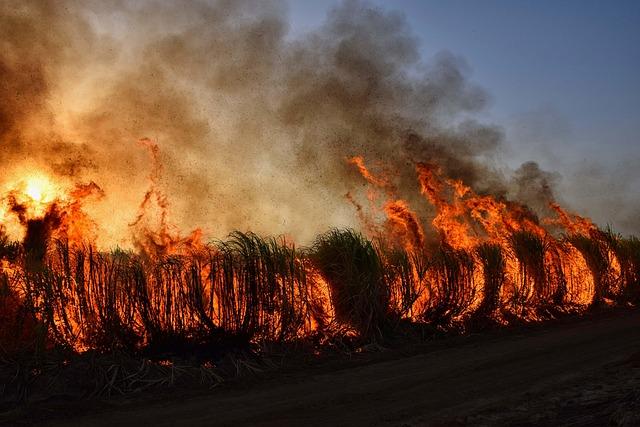
Wildfires in southern Argentina have engulfed nearly 12,000 hectares of forest, posing a significant threat to nearby communities, authorities reported Wednesday. The rapidly spreading blazes have forced evacuations and mobilized firefighting efforts across the region, as dry conditions and strong winds complicate containment efforts. Officials continue to monitor the situation closely, warning residents to remain vigilant as the fires blaze through vast stretches of vulnerable woodland.
Wildfires Devastate Vast Forest Areas in South Argentina
Blazing wildfires have engulfed nearly 12,000 hectares of forest in southern Argentina, leaving a trail of destruction in their path. The flames, fueled by dry conditions and strong winds, have rapidly expanded, threatening numerous nearby communities and wildlife habitats. Emergency response teams are working around the clock to contain the inferno, but the scale of the disaster poses significant challenges. Local authorities have issued evacuation orders in the most affected areas, prioritizing the safety of residents.
Key impacts of the wildfires include:
- Destruction of vast stretches of native forest, endangering biodiversity and ecosystems
- Displacement of hundreds of residents and ongoing evacuations
- Threats to livestock and agricultural productivity in surrounding zones
- Increased air pollution levels, causing health concerns among vulnerable populations
Firefighters continue efforts to establish firebreaks, supported by aerial water drops and reinforcements from neighboring provinces. Meanwhile, government officials are calling for increased funding to bolster prevention and suppression capabilities as climate change intensifies wildfire risks in the region.
Emergency Response Teams Mobilize to Protect Endangered Communities
Firefighters, local authorities, and volunteer groups have rapidly deployed to the affected areas with the aim of containing the relentless blaze. Their coordinated efforts focus on safeguarding vulnerable populations residing near the forests, many of whom have been evacuated as a precaution. Emergency shelters have been established to provide temporary refuge, while medical teams stand ready to assist those impacted by smoke inhalation and other fire-related hazards.
Key actions being taken include:
- Continuous aerial water drops by helicopters and planes to slow the fire’s spread.
- Ground teams creating firebreaks to protect residential zones.
- Community alerts issued via multiple communication channels to ensure swift evacuation if needed.
- Collaboration with environmental agencies to assess damage and support reforestation efforts once the fires subside.
Experts Urge Strengthened Fire Prevention Measures and Community Preparedness
In response to the escalating wildfire crisis in southern Argentina, leading environmental and safety experts are calling for immediate enhancements in fire prevention strategies. They emphasize that early detection systems, robust firefighting infrastructure, and controlled burn practices must be prioritized to mitigate further destruction. Authorities are urged to invest in advanced technologies such as satellite monitoring and AI-powered fire prediction models, which could significantly improve response times and limit the spread of flames in vulnerable forest areas.
Community involvement is equally crucial, according to specialists who advocate for comprehensive training programs and awareness campaigns. Residents in high-risk zones should be equipped with the knowledge and tools necessary to create defensible spaces around their homes and to execute evacuation plans effectively. Among the recommended measures are:
- Regular clearing of dry vegetation and debris from property perimeters
- Formation of neighborhood fire watch groups
- Participation in local drills and emergency preparedness sessions
Experts warn that only through a combined effort of governmental action and community readiness can the devastating impact of wildfires on both ecosystems and human settlements be curbed.
The Way Forward
As wildfires continue to consume vast swaths of forest across southern Argentina, authorities and emergency responders remain on high alert to protect vulnerable communities and contain the blaze. With nearly 12,000 hectares already scorched, the situation underscores the increasing environmental and public safety challenges posed by such disasters in the region. Ongoing efforts and updates will be crucial in mitigating further damage as residents and officials brace for the weeks ahead.