
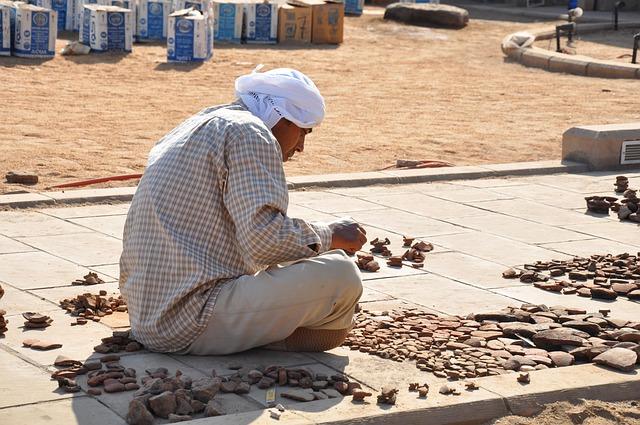
Archaeologists in Fano, Italy, have unveiled a remarkable gallery of excavations shedding new light on an ancient basilica described by the Roman architect Vitruvius. The findings, which emerged from recent digs in the historic town, provide unprecedented insights into Roman architectural design and urban planning. This discovery not only confirms historical texts but also enriches our understanding of Fano’s significance during antiquity, marking a major milestone for both local heritage and the wider field of classical archaeology.
Gallery Unveils Remarkable Archaeological Discoveries in Fano Illuminating Ancient Roman Architecture
Recent excavations in the historic town of Fano, Italy, have brought to light exceptional archaeological findings that shed new light on Roman-era architectural prowess. Among the most significant discoveries is the unearthing of a basilica structure meticulously described by ancient architect Vitruvius in his treatises. The remains showcase advanced construction techniques and ornate detailing, offering tangible proof of the town’s prominence during the Roman Empire. These findings not only confirm historical texts but also enrich our understanding of urban planning and public spaces in antiquity.
Visitors and researchers alike are captivated by the array of artifacts and structural elements revealed during the dig, including:
- Intricately carved stone reliefs believed to depict civic and religious ceremonies
- Well-preserved mosaic flooring showcasing geometric motifs and vibrant colors
- Architectural fragments that illustrate the basilica’s layout and multi-functional design
These discoveries play a pivotal role in reconstructing the social and cultural landscape of Roman Fano, providing invaluable insights for historians and archaeologists committed to preserving Italy’s ancient heritage.
Expert Analysis Connects Excavated Basilica to Vitruvius’s Architectural Descriptions
Recent excavations in Fano have yielded architectural remains that align remarkably with the ancient Roman principles outlined by Vitruvius in his seminal treatise, De Architectura. Specialists in classical architecture conducted meticulous analyses comparing the uncovered basilica’s structural elements-including column proportions, spatial layout, and ornamental details-with Vitruvian descriptions. Their findings suggest that this site not only corresponds to the basilica referenced by Vitruvius but also serves as a tangible example of the rigorous standards that guided Roman civic architecture during the late Republic period.
Key attributes identified by experts include:
- Symmetrical façade design reflecting Vitruvius’s emphasis on harmony and balance.
- Use of the Corinthian order, consistent with architectural norms for public buildings of the era.
- Orientation and spatial arrangement optimized for public gatherings and administrative functions.
These discoveries deepen our understanding of the nexus between literary architectural theory and practical realization in antiquity, highlighting how Vitruvius’s work continues to inform archaeological interpretation and conservation standards today.
Preservation Strategies Recommended to Protect Newly Unearthed Heritage Site in Fano
In response to the recent discovery, experts have outlined a series of conservation measures aimed at safeguarding the integrity of the site while allowing for ongoing archaeological investigation. Key recommendations emphasize the use of non-invasive technologies such as ground-penetrating radar and 3D scanning to monitor the basilica’s structural condition without causing damage. Controlled excavation protocols are being implemented to minimize exposure to the elements, including temporary protective shelters and climate regulation systems designed to manage humidity and temperature fluctuations.
Additional strategies include:
- Installation of advanced surveillance systems to prevent unauthorized access and vandalism.
- Collaboration with local authorities and cultural institutions to ensure continuous community engagement and education.
- Development of onsite informational signage and digital resources to promote awareness while limiting foot traffic in sensitive areas.
- Establishment of a dedicated task force combining archaeologists, conservators, and environmental specialists to oversee long-term preservation efforts.
The Conclusion
The recent archaeological excavations in Fano have not only unearthed a remarkable basilica but have also brought to life a significant piece of Vitruvian history, bridging ancient architectural theory with tangible reality. As further studies and restorations continue, this discovery promises to deepen our understanding of Roman urban design and cultural heritage in the region. Stay tuned to ArchDaily for ongoing updates on this extraordinary site and other groundbreaking findings from the world of archaeology.