
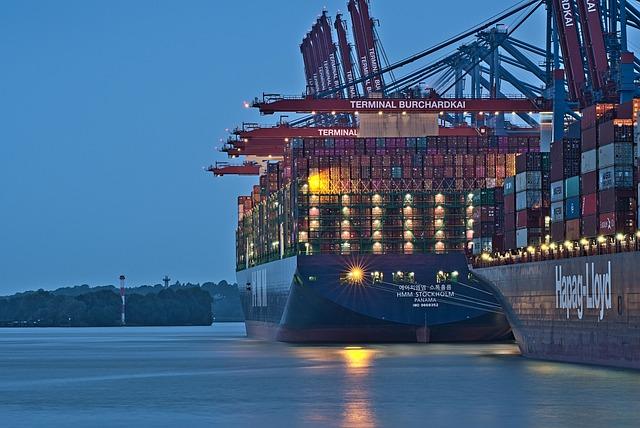
Canada’s trade deficit expanded in November as a notable decline in gold exports and a slowdown in auto shipments weighed on the country’s international trade balance. According to the latest figures released by Statistics Canada, the downturn in these key sectors contributed to a wider gap between imports and exports, underscoring challenges in the nation’s trade performance amid shifting global demand and supply chain disruptions. This development marks a reversal from previous months and raises concerns about the broader economic implications for Canada’s trade-dependent economy.
Canada’s Trade Deficit Expands Amid Decline in Gold and Auto Exports
Canada experienced a notable expansion in its trade deficit last month, driven primarily by a significant downturn in key export sectors. Both gold and automobile shipments saw marked declines, undermining the country’s trade balance and casting uncertainty over economic momentum heading into the final quarter of the year. Analysts attribute the drop in gold exports to weakening global demand and price volatility, while the auto sector faced challenges from supply chain disruptions and slowing consumer demand in key markets.
Key factors contributing to the widening trade gap include:
- Gold exports: A sharp fall in global prices and reduced output.
- Auto shipments: Production setbacks due to chip shortages and logistical bottlenecks.
- Trade partners: Decreased demand from the United States and China, two of Canada’s largest markets.
This combination of pressures has raised concerns among policymakers about the resilience of Canada’s export-driven economy as it navigates ongoing global uncertainties.
Impact of Reduced Shipments on Key Economic Sectors Analyzed
The decline in shipments, particularly in pivotal sectors such as gold and automotive, has delivered a significant blow to Canada’s trade performance in November. The contraction in gold exports, a critical source of revenue for the country, reflects both fluctuating global commodity prices and a slowdown in demand from key international markets. Simultaneously, the automotive sector, long a backbone of Canadian trade, experienced a dip due to supply chain disruptions and reduced production volumes, compounding the negative impact on the overall trade balance. These sectors’ weakened export figures underscore vulnerabilities in Canada’s trade dynamics amid global economic uncertainties.
Several core economic sectors have felt the ripple effects, including:
- Mining and Metals: Reduced gold shipments have led to lower export earnings, affecting regional economies reliant on mining activities.
- Manufacturing: The automotive industry’s slowdown due to parts shortages and factory inefficiencies has stalled growth, impacting both employment and export revenues.
- Transportation and Logistics: Decreased freight volumes from these sectors have strained logistics providers, exacerbating challenges in cross-border trade.
The confluence of these factors not only widened the trade deficit but also signaled deeper structural challenges that Canadian policymakers must confront to stabilize key economic sectors in the months ahead.
Strategies for Rebalancing Trade and Boosting Export Competitiveness
To address the growing trade imbalance, Canada must adopt a multi-faceted approach that prioritizes both innovation and diversification. Investing in advanced manufacturing technologies and expanding into emerging sectors such as clean energy and digital services can reduce dependency on volatile commodities like gold and autos. Additionally, fostering stronger trade relationships with rapidly growing markets beyond traditional partners will open new avenues for Canadian exports while mitigating risks associated with sector-specific downturns.
Key measures to enhance export competitiveness include:
- Streamlining regulatory processes to enable faster market entry for Canadian goods and services.
- Enhancing supply chain resilience through targeted infrastructure investments and support for small and medium-sized enterprises.
- Promoting workforce upskilling to meet the demands of evolving global trade dynamics and technological advancements.
- Leveraging trade agreements to reduce tariffs and non-tariff barriers, ensuring Canadian products remain price-competitive.
Insights and Conclusions
As Canada grapples with a widening trade deficit driven by declines in gold and automotive exports, economic analysts will be closely monitoring upcoming trade data and government responses. The evolving global market conditions and domestic production challenges underscore the complexities facing Canada’s trade balance moving forward.