
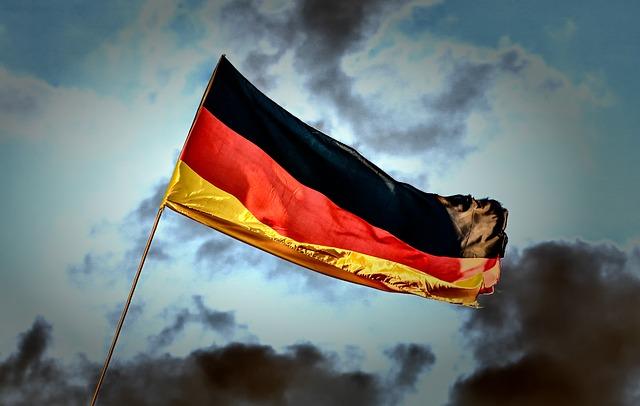
In a stark warning that underscores growing transatlantic tensions, Germany’s president has accused the United States of undermining the established international order. Speaking amid escalating geopolitical conflicts and shifting alliances, the German leader’s remarks, reported by Reuters, highlight concerns over Washington’s foreign policy approach and its impact on global stability. This development marks a notable moment in the ongoing debate about the future of world governance and the role of major powers.
German President Criticizes US Role in Undermining Global Stability
In a rare and pointed critique, Germany’s president has openly challenged the United States’ approach to international diplomacy, accusing Washington of contributing to the unraveling of the post-World War II global order. The remarks come amid rising tensions and geopolitical shifts that threaten long-established alliances and cooperative frameworks. The president emphasized that such actions not only destabilize regions but also undermine trust among traditional partners.
The statement highlighted several key concerns, including:
- The US’s unilateral withdrawal from critical international agreements
- Escalating trade conflicts that disrupt economic stability
- Military interventions perceived as disregarding multilateral consensus
These factors, the president argued, risk fracturing the collaborative spirit essential for addressing global challenges. His call for renewed commitment to multilateralism underscores Germany’s desire for a balanced and predictable international environment.
Implications for Transatlantic Relations and International Diplomacy
The remarks from the German president mark a significant moment of candid critique that could reverberate across the fabric of transatlantic ties. The blunt assessment challenges the traditionally unshakable partnership between the US and Germany, raising questions about the future alignment of policies in NATO and beyond. Diplomats and analysts are now closely watching how Berlin will navigate this delicate phase, balancing its criticism with the need to maintain robust cooperation on security, trade, and climate initiatives.
Key implications include:
- Potential cooling of diplomatic warmth, risking delays or setbacks in joint international efforts.
- Pressure on European Union members to reassess their own strategic autonomy relative to the US.
- Heightened debate within international forums about the evolving role of American leadership in global governance.
As tensions simmer, this incident underscores the shifting dynamics of global diplomacy where longstanding alliances face new tests amid changing geopolitical priorities.
Experts Call for Renewed Multilateral Cooperation to Restore World Order
Global leaders and political analysts have expressed growing concern over the escalating tensions attributed to unilateral actions by major powers, notably the United States. Emphasizing the erosion of established norms, experts argue that the current geopolitical climate threatens to dismantle decades of international collaboration that underpins global stability. Calls for renewed dialogue stress the importance of shared responsibilities and mutual respect among nations to prevent further fragmentation of the international system.
Key recommendations from the expert community include:
- Reinvigorating international institutions to enforce global agreements effectively
- Encouraging transparency and trust-building measures between global powers
- Promoting equitable economic policies that address disparities fueling conflicts
- Facilitating open multilateral platforms for dispute resolution and cooperation
These steps are viewed as essential to reversing the trend of geopolitical isolationism and fostering an environment where collaborative problem-solving can restore order and predictability on the world stage.
Final Thoughts
As the discourse surrounding global power dynamics continues to evolve, the remarks by the German president underscore growing concerns within Europe about the United States’ role on the world stage. Analysts suggest that such statements may signal shifts in transatlantic relations and prompt renewed discussions on international cooperation and the future of the global order. Further developments will be closely watched by policymakers and observers alike.