
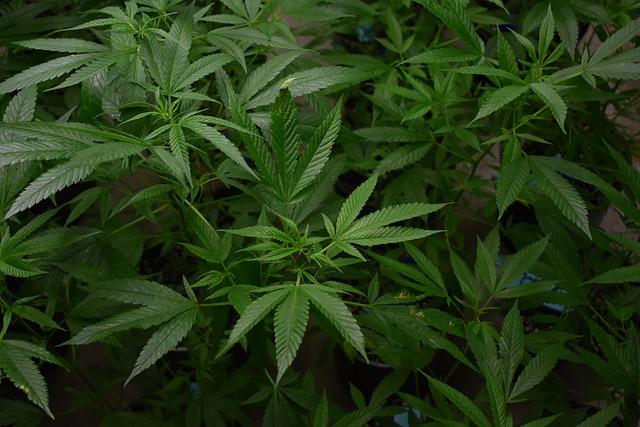
Brazil has taken a significant step in reshaping its medical cannabis landscape by officially legalizing the cultivation of cannabis for medical purposes. This landmark decision not only permits domestic cultivation but also broadens access for patients across the country, marking a pivotal shift in national health policy. The move aligns Brazil with a growing number of nations embracing medical cannabis as a legitimate treatment option, promising expanded therapeutic opportunities and signaling potential growth for the emerging cannabis industry.
Brazil Legalizes Medical Cannabis Cultivation Opening New Opportunities for Patients and Producers
In a landmark move signaling a shift in Brazil’s approach to cannabis regulation, the government has officially authorized the cultivation of medical cannabis within its borders. This decision is expected to significantly enhance access for patients who have long faced barriers obtaining legally sanctioned treatments. With cultivation no longer restricted to imports, medical facilities and licensed producers can now supply cannabis-based products more efficiently, potentially reducing costs and improving availability for individuals suffering from chronic illnesses, epilepsy, and other qualifying conditions.
Key implications of this legalization include:
- Empowerment of local farmers and entrepreneurs to enter the emerging medical cannabis market
- Stimulated growth in domestic production, leading to increased innovation in formulation and delivery methods
- Enhanced regulatory oversight ensuring quality, safety, and compliance with health standards
- A boost to Brazil’s economy through new jobs, exports, and related sectors such as research and healthcare services
This development places Brazil alongside a growing number of Latin American countries embracing cannabis as a legitimate medical resource. Experts predict that the move will foster not only broader patient-centered benefits but also a robust commercial framework that balances public health priorities with economic opportunity.
Regulatory Framework Expands Patient Access While Ensuring Quality and Safety Standards
Brazil’s new regulatory environment for medical cannabis marks a pivotal shift in healthcare accessibility, enabling a broader demographic of patients to benefit from therapeutic cannabis products. This initiative is underpinned by stringent quality control protocols and licensing criteria that producers must meet, ensuring that all available products maintain high safety standards. The legislation mandates comprehensive testing for contaminants and active ingredient consistency, which will be regularly audited by health authorities to maintain consumer trust and clinical efficacy.
Key features of this regulatory framework include:
- Licensing requirements that foster organized cultivation while preventing illicit market growth.
- Standardized production practices guaranteeing product reliability and patient safety.
- Expanded patient eligibility for medical cannabis prescriptions, addressing diverse medical conditions.
- Robust tracking systems to monitor product distribution and ensure regulatory compliance.
By balancing patient access with rigorous oversight, Brazil positions itself as a regional leader in medical cannabis regulation, potentially serving as a model for other countries navigating the complexities of legalization combined with public health priorities.
Experts Advise Stakeholders to Monitor Compliance and Advocate for Continued Policy Development
Industry experts emphasize the critical need for ongoing vigilance among stakeholders to ensure strict adherence to the newly established regulations governing medical cannabis cultivation in Brazil. They stress that compliance is essential not only to maintain patient safety but also to foster transparent and accountable practices within the burgeoning sector. Healthcare providers, cultivators, and regulatory bodies are urged to collaborate closely, conducting regular audits and sharing best practices to uphold the integrity of the legal framework.
Additionally, advocates encourage active participation in shaping future policies as the medical cannabis landscape evolves. There is a growing consensus that policy adjustments should be informed by scientific research, patient outcomes, and market dynamics. Key recommendations include:
- Enhancing patient access through streamlined distribution channels
- Expanding educational initiatives for healthcare professionals and patients alike
- Investing in research to optimize therapeutic applications
- Engaging in continuous stakeholder dialogue to address challenges and opportunities promptly
Such a proactive approach aims to ensure sustainable growth and maximize the benefits of the legalized medical cannabis program across Brazil.
Closing Remarks
As Brazil moves forward with the legalization of medical cannabis cultivation and expands patient access, the country’s healthcare landscape stands to undergo a significant transformation. This landmark decision not only aligns Brazil with a growing number of nations embracing medical cannabis but also opens new avenues for research, industry development, and patient care. Stakeholders across the medical, regulatory, and business sectors will be closely monitoring the unfolding impact of these changes as Brazil charts its course in the evolving global cannabis market.