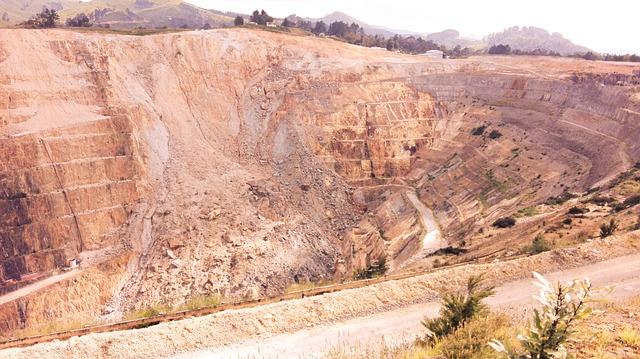
The recent visit by U.S. officials to Argentina’s Patagonia region underscores growing international interest in the area’s vast mining and logistics potential. As global demand for critical minerals intensifies, Patagonia’s rich deposits of lithium, copper, and other resources have positioned it as a strategic hub for supply chain development. This visit highlights opportunities for bilateral cooperation aimed at expanding mining operations and improving infrastructure to support efficient export routes. Industry experts suggest that enhanced U.S.-Argentina collaboration could play a pivotal role in securing key materials essential for technology and green energy sectors worldwide.
Mining Opportunities Drive US Interest in Argentina’s Patagonia Region
Argentina’s Patagonia region has become a focal point of interest for US investors and policymakers alike, driven largely by its untapped mineral wealth and strategic logistics potential. Rich deposits of lithium, copper, and precious metals position the area as a burgeoning hub for mining ventures, especially as global demand for these critical resources continues to rise. Recent diplomatic and business missions have underscored the urgency and excitement surrounding new exploration projects, with American firms seeking partnerships to capitalize on Patagonia’s geological bounty.
Key factors fueling this surge include:
- Proximity to key shipping routes, enhancing export efficiency and reducing costs.
- Advancements in infrastructure, supported by multi-national investment initiatives.
- The Argentine government’s incentives aimed at attracting sustainable and technologically advanced mining operations.
- Growing global emphasis on green technologies, where minerals from Patagonia could play a critical role.
This convergence of natural resources and improved connectivity is shaping Patagonia into a critical node for both mining extraction and logistics. US interest is not merely exploratory but marks a strategic move to secure supply chains and strengthen bilateral economic ties, signaling a new era of cooperation in the Southern Hemisphere.
Logistics Infrastructure Enhancements Key to Unlocking Resource Potential
Argentina’s Patagonia region, rich in essential minerals such as lithium, copper, and rare earth elements, stands on the cusp of a transformative surge in global significance. However, realizing the full potential of these resources requires robust logistics frameworks capable of supporting large-scale extraction and export operations. Upgrades to port facilities, expansion of rail networks, and improved road connectivity are fundamental steps currently under discussion between US and Argentine officials, aiming to create seamless supply chains that will attract foreign investment and accelerate market access.
Key infrastructure initiatives include:
- Modernization of the Puerto Madryn port to handle increased mining exports efficiently.
- Development of multimodal transport corridors linking mining sites with international shipping routes.
- Implementation of advanced warehousing and customs processing systems to reduce logistical bottlenecks.
These enhancements not only foster a competitive edge for Patagonia’s mining outputs but also support economic diversification in the region. By addressing infrastructure gaps, stakeholders anticipate a significant boost in production scalability and sustainability, positioning Patagonia as a strategic hub in the global mineral supply chain.
Strategic Recommendations for Sustainable Development and Investment Partnerships
The recent dialogues between US and Argentine officials underscore a pivotal moment for aligning strategic interests in Patagonia’s resource-rich landscape. To harness this potential effectively, it is crucial to foster transparent regulatory frameworks that encourage ethical mining practices while safeguarding the fragile ecological systems. Prioritizing community engagement will ensure that investment projects respect indigenous rights and deliver equitable economic benefits, reinforcing social license and long-term stability.
Investment partnerships should emphasize innovation-driven logistics solutions to optimize supply chains and reduce the environmental footprint. Key recommendations include:
- Developing green infrastructure with renewable energy integration to power mining and transport operations.
- Establishing joint ventures that facilitate technology transfer and capacity-building within local workforces.
- Implementing rigorous environmental impact assessments with continuous monitoring and accountability mechanisms.
- Encouraging multi-sector collaborations that combine public funding, private capital, and NGO expertise.
Insights and Conclusions
As the United States deepens its engagement with Argentina’s Patagonia, the region’s vast mining and logistics potential stands to gain increased international attention and investment. With its rich mineral reserves and strategic location, Patagonia is poised to become a critical node in the broader supply chain networks that are vital for North American and global markets. The recent visit underscores the growing importance of fostering bilateral cooperation to unlock these opportunities, balancing economic growth with environmental considerations. Moving forward, the developments in Patagonia will be closely watched as indicators of shifting dynamics in resource access and regional infrastructure integration across the Americas.