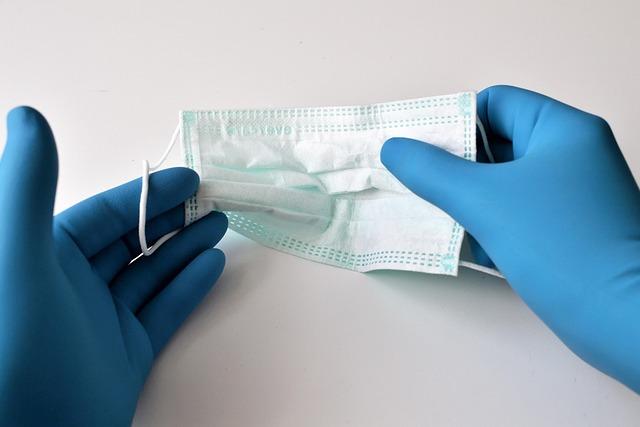
The World Health Organization (WHO) has assessed the risk of the Nipah virus spreading beyond India as low, providing a measure of reassurance amid ongoing concerns over the recent outbreak. As health authorities continue to monitor the situation closely, experts emphasize that while vigilance remains crucial, current evidence suggests limited potential for the virus to transmit internationally. This development comes as India ramps up containment efforts to curb the spread of the highly infectious disease.
WHO Assesses Containment Measures and Low Transmission Risk of Nipah Virus in India
The World Health Organization (WHO) has conducted a comprehensive review of the current Nipah virus situation in India, emphasizing the effectiveness of the containment strategies employed by local health authorities. According to their recent assessment, strict quarantine protocols, rapid case identification, and thorough contact tracing have played critical roles in limiting the virus’s spread. WHO experts have praised the collaborative efforts between national and regional agencies, highlighting the swift sharing of data and resources as pivotal factors in managing the outbreak.
In its evaluation, the organization pointed out several key measures contributing to the low transmission risk beyond India’s borders:
- Robust surveillance systems that ensure early detection and timely response.
- Community engagement initiatives fostering awareness and preventive practices.
- Strict hospital infection control protocols, reducing secondary transmission risks.
- Targeted travel advisories minimizing unnecessary movement from affected areas.
These coordinated efforts, combined with the virus’s limited human-to-human transmission capability so far, lead WHO to conclude that the risk of Nipah virus spreading internationally remains low at this time.
Expert Insights on Current Outbreak and Public Health Responses
Health experts closely monitoring the recent Nipah virus cases in India emphasize that the immediate threat to global health remains minimal. According to specialists, the virus’s transmission dynamics and geographic limitations significantly reduce the risk of widespread dissemination beyond the affected regions. Surveillance teams are leveraging robust contact tracing and containment strategies, which have so far proven effective in isolating new cases quickly. This proactive approach, combined with vigilant monitoring at points of entry and community-level awareness campaigns, forms the backbone of current efforts to prevent escalation.
Public health authorities highlight several key measures that are critical in controlling the outbreak:
- Rapid identification and quarantine of infected individuals.
- Comprehensive mapping of contacts to curb further spread.
- Health education programs tailored to populations in high-risk areas.
- Collaboration between local and international health organizations to share data and resources.
Experts reiterate that while vigilance remains paramount, the combination of scientific advancements and well-coordinated response systems provides reassurance that the outbreak can be contained without escalating into a larger international crisis.
Guidance for Travelers and Healthcare Providers Amid Ongoing Vigilance
Travelers to affected regions are advised to maintain heightened hygiene practices and avoid contact with fruit bats and infected animals, known carriers of the Nipah virus. It is recommended to consume thoroughly cooked food and avoid raw date palm sap, which has been linked to previous outbreaks. Health officials emphasize the importance of promptly reporting any symptoms such as sudden fever, headache, or respiratory distress to medical personnel upon return from endemic areas.
Healthcare providers should remain vigilant and prioritize early detection through detailed patient histories concerning recent travel and exposure risks. Use of appropriate personal protective equipment (PPE) when handling suspected cases is critical to prevent nosocomial transmission. Key protocols include:
- Isolating suspected patients immediately.
- Implementing strict infection control measures.
- Coordinating closely with local health authorities for timely reporting and response.
Concluding Remarks
As investigations continue, health authorities remain vigilant but optimistic. With the World Health Organization assessing the risk of Nipah virus spreading beyond India as low, efforts focus on monitoring and containment within affected areas. Experts emphasize the importance of continued surveillance and public awareness to prevent any future outbreaks.