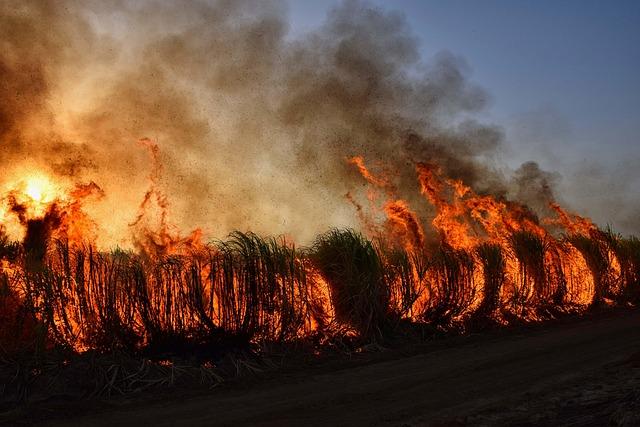
Argentina has declared a state of emergency as widespread wildfires continue to ravage the Patagonian region, threatening vast swaths of forest and prompting urgent responses from local and national authorities. The blazes, fueled by dry conditions and strong winds, have already consumed thousands of hectares, displacing residents and endangering wildlife. Meanwhile, Azerbaijan is monitoring environmental developments worldwide, underscoring the growing global concern over climate-induced disasters. This article provides the latest updates on the situation in Patagonia alongside relevant international perspectives.
Argentina declares state of emergency as wildfires devastate Patagonia region
The Argentine government has officially declared a state of emergency in the southern Patagonia region following unprecedented wildfires that have rapidly spread across vast forested areas. The relentless blazes, fueled by unusually dry conditions and strong winds, have consumed thousands of hectares, forcing the evacuation of several communities and threatening local wildlife habitats. Emergency response teams, supported by military resources, are engaged in intense firefighting efforts, yet containment remains a significant challenge.
Authorities have highlighted several critical concerns:
- Damage to natural reserves, including parts of national parks
- Displacement of residents and strain on emergency shelters
- Increased air pollution impacting both health and visibility
- Potential long-term environmental consequences affecting biodiversity
International aid and expertise are expected as the scale of devastation becomes clearer. Meanwhile, meteorologists warn that weather conditions in the coming days may exacerbate the situation, urging ongoing vigilance and preparedness among affected communities.
Environmental impact and wildlife at risk amid escalating fire crisis
The rampant wildfires sweeping through Patagonia are causing unparalleled damage to one of the world’s most pristine natural environments. Vast swathes of forest are being consumed by flames, releasing significant amounts of carbon dioxide and other greenhouse gases that further exacerbate global warming. The destruction extends beyond trees, with critical peatlands, which act as carbon sinks, being devastated. This environmental toll raises serious concerns about the long-term health of the region’s ecosystems and their ability to recover.
Wildlife populations are facing immediate threats as their habitats are reduced to ashes. Species such as the endangered Andean deer and the iconic Magellanic woodpecker are losing crucial breeding and feeding grounds. Conservationists warn that this could lead to a sharp decline in biodiversity and disrupt fragile food chains. Efforts to track and rescue displaced animals are underway, but the scale of the fires complicates these operations. Key impacts include:
- Loss of habitat for endemic species
- Increased mortality rates among vulnerable wildlife
- Disruption of migratory routes and breeding patterns
Government urges enhanced firefighting efforts and community evacuation plans
The Argentine government has mobilized additional firefighting resources to combat the rapidly spreading blazes in Patagonia, emphasizing the urgent need for collaborative efforts among local authorities and emergency services. Authorities are deploying specialized aerial units and ground crews equipped with cutting-edge technology to contain the flames, which continue to threaten vast swathes of forest and wildlife reserves. Officials have called for increased vigilance along the fire perimeters, urging all firefighting teams to maintain heightened coordination and communication as conditions remain volatile.
In tandem with firefighting efforts, residents in vulnerable communities have been advised to initiate evacuation protocols without delay. Safety officials have highlighted several key measures for those in at-risk areas, including:
- Preparing essential belongings and documentation for immediate departure
- Following designated evacuation routes as communicated by local authorities
- Staying informed through official channels to receive real-time updates
- Assisting neighbors, especially the elderly and disabled, in readiness efforts
Community leaders and emergency coordinators continue to emphasize the significance of proactive planning to minimize casualties and damage as the wildfire crisis unfolds.
Key Takeaways
As the wildfires continue to ravage Patagonia, the Argentine government’s declaration of emergency underscores the urgent need for coordinated response and international support. Authorities remain vigilant as firefighters battle to contain the flames, while communities brace for the ongoing impact on the region’s environment and livelihoods. Stay tuned for further updates on this developing situation.