
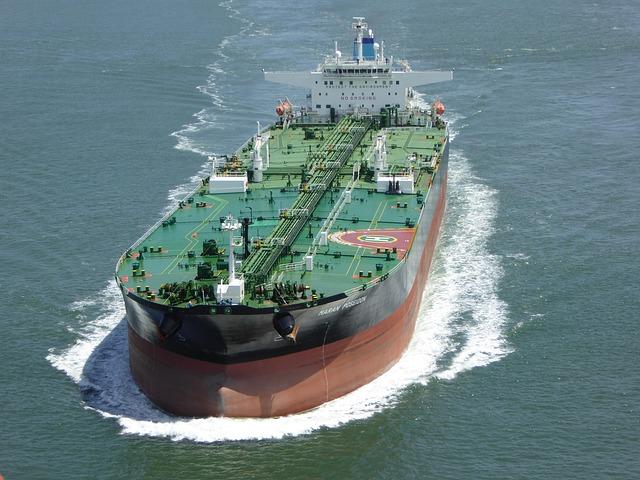
France has been compelled to release a tanker linked to Russia’s shadow fleet after detaining the vessel amid escalating tensions over maritime sanctions enforcement. The incident highlights the growing complexities faced by European authorities in navigating legal and diplomatic pressures while attempting to restrict Russia’s naval and commercial capabilities. This development marks a significant moment in the ongoing scrutiny of Russia’s covert maritime operations and raises questions about the effectiveness of current sanction regimes.
France Releases Russian Shadow Fleet Tanker Amid International Pressure
France’s decision to release the vessel marks a significant shift amid mounting diplomatic pressure from multiple international actors. The tanker, identified as part of Russia’s elusive shadow fleet, had been detained as part of an effort to enforce sanctions aimed at curbing Moscow’s naval logistics. However, challenges in legal frameworks and growing geopolitical sensitivities contributed to the French authorities’ eventual move to free the ship. The incident underscores the complexity of maritime enforcement when vessels operate under opaque ownership structures that complicate direct attribution.
The release has sparked a wave of reactions from governments and analysts worldwide, emphasizing concerns over the potential impact on ongoing sanctions regimes. Key points raised include:
- The difficulty of tracking and legally detaining ships tied to covert networks
- Potential loopholes in international maritime law exploited by Russia’s shadow fleet
- The balancing act faced by countries between upholding sanctions and managing diplomatic relations
Implications for European Maritime Security and Legal Precedents
The release of the Russian tanker by French authorities marks a pivotal moment in the ongoing tug-of-war over maritime jurisdiction and enforcement within European waters. This decision underscores the complexities faced by European nations when navigating between upholding international maritime law and managing geopolitical pressures. The incident has illuminated gaps in current legal frameworks, particularly regarding the enforcement of sanctions and the identification of vessels linked to covert operations. As a result, European maritime security agencies are likely to recalibrate their strategies, emphasizing enhanced intelligence sharing and greater cooperation across borders to prevent similar occurrences.
Several key implications have surfaced from this episode, including the establishment of new benchmarks for detaining vessels suspected of covert activities without violating international statutes. Among these are:
- Clarification of jurisdictional limits when it comes to seizing foreign-flagged ships in European territorial waters.
- Development of standardized protocols for verifying ownership and operational control to better target so-called “shadow fleets.”
- Strengthening of diplomatic channels to manage the fallout and prevent escalation between states involved.
Moving forward, this event will likely serve as a legal reference point, influencing future rulings and operational guidelines that balance sovereignty with security imperatives across Europe’s maritime domain.
Recommendations for Strengthening Enforcement Against Illicit Naval Operations
To effectively clamp down on illicit naval activities, authorities must prioritize the enhancement of international cooperation, leveraging intelligence sharing and joint operations among affected nations. Strengthened collaboration can lead to the real-time tracking of suspicious vessels and the swift identification of “shadow fleets” circumventing sanctions. Additionally, investing in advanced maritime surveillance technologies such as satellite monitoring and AI-driven vessel behavior analysis will empower enforcement agencies to anticipate and intercept illicit maneuvers before they escalate.
Addressing legal loopholes and ensuring uniformity in maritime regulations are equally crucial. Implementing stricter penalties for entities engaged in unauthorized maritime trade, combined with robust financial sanctions targeting facilitators and insurance providers, will raise the stakes for those enabling shadow fleets. Furthermore, fostering transparency by mandating vessel ownership disclosure and enhancing port state controls can disrupt the covert operations that allow illicit tankers to operate with impunity.
The Conclusion
The release of the detained Russian tanker by French authorities marks a significant development in the ongoing enforcement of sanctions against Moscow’s shadow fleet. As tensions persist over the use of maritime assets to circumvent restrictions, this incident underscores the challenges faced by countries striving to uphold international law while navigating complex geopolitical pressures. Observers will be closely monitoring how this decision influences broader efforts to regulate shadow shipping activities amid the continuing conflict.