
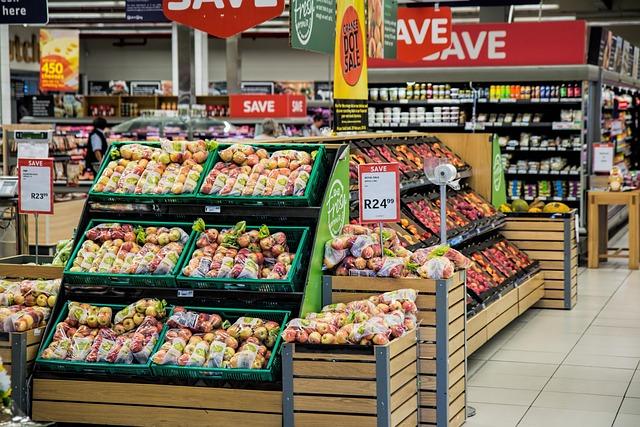
As consumer interest in supporting local producers grows, many Canadians are making a conscious effort to “Buy Canadian” at the grocery store. However, shoppers beware: not all products labeled as Canadian are truly homegrown. CBC’s Marketplace exposes a growing practice known as “maple-washing,” where brands use maple leaf imagery and other Canadian symbols to imply domestic origin, even when products or ingredients are sourced abroad. This cheat sheet from Marketplace offers practical tips to help consumers navigate product labels and make informed choices when shopping with a Canadian-first mindset.
Recognizing Genuine Canadian Products in Grocery Stores
When shopping with the intention to support Canadian businesses, discerning genuine Canadian products can be challenging amid widespread marketing tactics like “maple-washing.” This practice involves branding items with maple leaf imagery or Canadian-themed packaging, which can mislead consumers into believing the product is wholly Canadian-made, even when significant portions are sourced or manufactured abroad. To avoid falling prey to such advertising strategies, shoppers should rigorously check labels for details such as the “Product of Canada” designation or information about where the ingredients were harvested and processed.
Experts recommend paying attention to the following key indicators:
- Look for Certifications: Official marks like the Canada Organic logo or certifications from Canadian food authorities often signal authenticity.
- Examine Ingredient Origins: Products listing primarily Canadian-grown ingredients are more likely to support local agriculture.
- Check Company Background: Investigate whether the brand is headquartered or operated in Canada.
By staying vigilant and informed, consumers can better navigate grocery aisles and truly contribute to the Canadian economy without being misled by sentimental packaging.
How Maple Washing Misleads Shoppers Seeking Local Goods
Consumers eager to support Canadian producers often rely on visual cues like the maple leaf emblem or “Product of Canada” claims to guide their purchasing decisions. However, this trust is increasingly exploited through the practice known as maple washing, where companies prominently display Canadian symbols on packaging while the majority of the product’s content is imported. This misrepresentation blurs the line between genuinely local goods and those that merely use patriotic imagery to boost sales, leaving shoppers confused and potentially misled.
Some common tactics include:
- Featuring maple leaves or Canadian flags on packaging despite minimal Canadian ingredients
- Using ambiguous phrases such as “Proudly Canadian” tied to the company’s origin rather than the product’s sourcing
- Highlighting small amounts of Canadian content in bold print, overshadowing the imported majority
Such strategies not only undercut trust in local brands but also harm Canadian farmers and manufacturers who adhere to stricter origin requirements. Without clearer labeling regulations, shoppers face an uphill battle distinguishing true Canadian products from maple-washed alternatives.
Tips for Safely Supporting Canadian Farmers and Producers
When shopping with the intention of supporting Canadian farmers and producers, it’s essential to look beyond the packaging. Many products flaunt maple leaves or use Canadian symbols to appeal to patriotic consumers, but the actual origin of the ingredients may be misleading. To avoid falling victim to “maple-washing,” consumers should carefully check product labels for specific sourcing information. Look for certifications such as “Product of Canada” or the Canadian Organic Logo, which give clearer indications of domestic origin. Don’t hesitate to ask store staff or producers directly about the supply chain – transparency should be a priority in maintaining consumer trust.
Supporting local agriculture also means embracing seasonal and regional produce, which helps reduce the carbon footprint and bolsters community economies. Consider purchasing from farmers’ markets or CSA (community-supported agriculture) programs, where direct communication often confirms the authenticity of products. Additionally, keeping an eye out for smaller, lesser-known brands can be a way to champion genuine Canadian growers rather than multinational corporations that merely market themselves as local. Here are some quick tips to get started:
- Check for clear origin labeling: Look for “Product of Canada” rather than vague claims like “Made in Canada.”
- Know your seasons: Buying fruits and vegetables in season supports local growers and ensures fresher products.
- Explore farmers’ markets and co-ops: These venues often have genuine Canadian goods unfiltered by extensive supply chains.
- Research brands: Investigate companies to understand their sourcing practices and commitment to Canadian producers.
In Conclusion
As Canadians increasingly seek to support domestic producers by choosing products labeled as Canadian, vigilance is essential. CBC’s Marketplace Cheat Sheet exposes the practice of “maple-washing,” where companies capitalize on national pride by using Canadian symbols or imagery without guaranteeing that the majority of the product is made in Canada. Shoppers are encouraged to look beyond packaging claims and verify product origins through ingredient lists and certification labels. Staying informed helps consumers make truly Canadian choices and supports the integrity of local industries.