
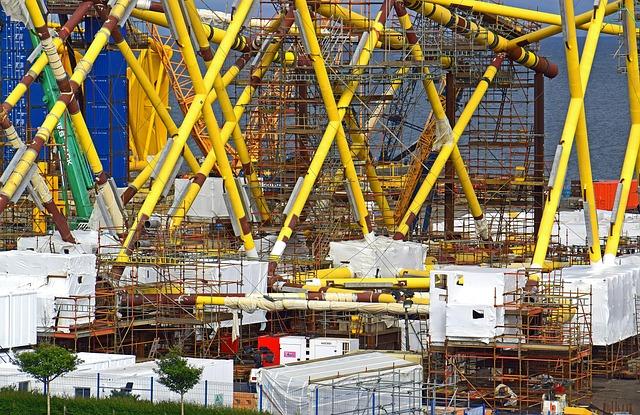
Brazil’s oil and gas sector has reached a significant milestone in 2025, setting a new historic record in production, according to the latest report from Brazil Energy Insight. This unprecedented surge highlights the country’s growing prominence in the global energy market, driven by advancements in technology, increased investment, and expanded offshore exploration. As Brazil solidifies its position as a leading oil and gas producer, industry experts anticipate wide-ranging impacts on both the domestic economy and international energy dynamics.
Brazil Surpasses Previous Production Milestones with Surge in Offshore Drilling
In a remarkable leap forward, Brazil’s offshore drilling activities have propelled the country’s oil and gas output to unprecedented levels in 2025. Driven by aggressive exploration and enhanced recovery techniques in the prolific pre-salt basins, production rates have eclipsed all previous records. Leading energy companies, both national and international, have capitalized on technological advancements to unlock reserves once considered challenging, solidifying Brazil’s position as a global energy powerhouse.
Key factors contributing to this surge include:
- Expansion of ultra-deepwater projects leveraging cutting-edge drilling rigs.
- Investment in infrastructure upgrades that facilitate faster extraction and transport.
- Government incentives encouraging private sector participation and innovation.
These strategic developments not only enhance production capacity but also stimulate the local economy, positioning Brazil as a pivotal player in the evolving global energy landscape.
Technological Advancements and Investment Drive Growth in Brazil’s Oil and Gas Sector
Brazil’s oil and gas sector has undergone a transformative period fueled by groundbreaking technological innovations that have revolutionized exploration and production processes. Cutting-edge seismic imaging, automation, and enhanced drilling techniques have significantly increased extraction efficiency, enabling operators to tap into previously inaccessible offshore reserves in the pre-salt layer. These advancements have not only boosted output but have also reduced environmental risks, positioning Brazil as a competitive player on the global energy stage. Industry leaders continue to invest heavily in research and development, capitalizing on digitalization and AI to optimize field management and predictive maintenance.
Simultaneously, robust investments from both domestic and international stakeholders have played a pivotal role in accelerating sector growth. Strategic partnerships and capital influx have expanded infrastructure capacity, including the development of new refineries, pipelines, and LNG terminals. Key factors contributing to this surge include:
- Government incentives and regulatory reforms that encourage private sector participation
- Attractive fiscal regimes fostering foreign direct investment
- Growing demand for cleaner energy alternatives driving diversification efforts
Together, these technological and financial drivers underpin Brazil’s record-breaking production, signaling a prosperous future for the nation’s energy landscape.
Strategic Recommendations for Sustaining Brazil’s Energy Expansion Amid Global Market Shifts
To navigate the complexities of global energy markets while maintaining momentum, Brazil must prioritize diversification within its energy portfolio. Investing simultaneously in renewable energy sources such as wind, solar, and biofuels alongside expanding oil and gas capacity will mitigate risks associated with fluctuating fossil fuel prices. Furthermore, enhancing technological innovation in deep-water exploration and sustainable extraction methods can boost efficiency and reduce environmental impacts, ensuring long-term competitiveness on the global stage.
Equally important is the need for robust policy frameworks that attract foreign direct investment and foster public-private partnerships. Streamlining regulatory processes and offering fiscal incentives can stimulate capital inflows while preserving national interests. Additionally, a stronger focus on workforce development and local content policies will cultivate a skilled labor pool, reinforcing Brazil’s position as a key player in the evolving energy landscape. Key strategic actions include:
- Enhancing cross-sector collaboration to accelerate clean energy integration.
- Implementing transparent environmental standards to bolster investor confidence.
- Expanding infrastructure for efficient energy distribution domestically and for export.
- Promoting innovation hubs to drive next-generation energy technologies.
Future Outlook
As Brazil’s oil and gas production reaches unprecedented levels in 2025, the country solidifies its standing as a key player in the global energy landscape. This historic milestone not only underscores the success of ongoing investments and technological advancements but also signals potential shifts in regional and international markets. Moving forward, stakeholders will be closely watching how Brazil balances growth with sustainability amid evolving economic and environmental challenges.