
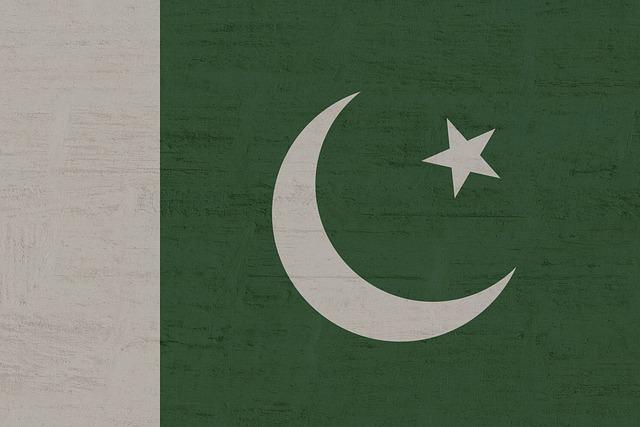
In a significant development ahead of the ICC T20 World Cup, Pakistan has announced its decision to boycott the scheduled February 15 match against arch-rivals India, according to reports from the Times of India. The unprecedented move marks a major shift in the cricketing rivalry between the two nations and has sparked widespread discussion across the sporting community. This article delves into the reasons behind Pakistan’s boycott, the possible implications for the tournament, and reactions from cricketing authorities and fans alike.
Pakistan’s Decision to Boycott February 15 T20 World Cup Match Against India Raises Diplomatic Concerns
Pakistan’s announcement to abstain from the high-profile T20 World Cup fixture set for February 15 against arch-rival India has sent ripples across both the cricketing and diplomatic arenas. This unprecedented move not only affects the sporting dynamics but also threatens to escalate existing tensions between the two nations. Cricket boards and international sports bodies have expressed concern over the decision, emphasizing the importance of maintaining the spirit of the game despite geopolitical disputes. The decision also raises questions about the future of bilateral matches between the two countries, which have historically been fraught with political undercurrents.
Experts and analysts are noting several implications arising from this boycott:
- Impact on tournament scheduling: The absence of this marquee clash could disrupt the tournament’s viewership and commercial arrangements.
- Diplomatic repercussions: The move may harden diplomatic stances, limiting dialogue beyond sports.
- Fan reaction and morale: Millions of cricket enthusiasts on both sides face disappointment, potentially deepening public sentiment against reconciliation efforts.
As the cricket community and diplomatic channels grapple with the fallout, stakeholders call for renewed dialogue to separate sports from politics, preserving the integrity of international competitions.
Impact of the Boycott on the T20 World Cup Tournament Dynamics and Fan Engagement
The decision by Pakistan to boycott the February 15 T20 World Cup match against India has sent ripples throughout the tournament’s landscape, fundamentally altering its competitive dynamics. The match, widely anticipated as a high-stakes clash drawing massive viewership, will now witness a void that reshapes group standings and potential qualification scenarios. Teams previously strategizing around the expected face-off must now reassess their approaches, creating an unpredictable tournament flow. This boycott inadvertently benefits certain teams through walkover points but simultaneously diminishes the competitive spirit traditionally expected in such high-profile matches.
Fan engagement, particularly among South Asian cricket enthusiasts, is projected to take a hit with the absence of this marquee fixture. The intense rivalry between Pakistan and India fuels passion and viewership, often driving record-breaking attendance and broadcast ratings globally. With the boycott in place, viewers express disappointment and frustration, impacting social media buzz and fan-led discussions. Key effects include:
- Decline in live viewership numbers across multiple broadcasting platforms.
- Reduction in merchandising and associated tournament revenue driven by fan enthusiasm.
- Potential dampening of tournament atmosphere in stadiums where fan chants and flag-waving form an iconic spectacle.
Ultimately, the boycott not only influences the on-field competitive balance but also poses challenges for organizers in maintaining momentum and maximizing engagement as the tournament progresses.
Recommendations for ICC and Cricket Boards to Address Political Tensions and Ensure Fair Play
In light of the escalating political tensions impacting international cricket fixtures, it is crucial for the ICC and cricket boards to adopt a proactive stance that prioritizes the spirit of the game over geopolitical conflicts. Establishing neutral venues for high-stakes matches between politically sensitive nations could mitigate disruptions, ensuring that players and fans alike experience the thrill of fair competition without external interference. Moreover, the ICC should consider introducing conflict resolution panels comprising representatives from involved countries as well as independent mediators to address concerns before they escalate to boycotts or cancellations.
Beyond immediate interventions, cricket authorities must also strengthen communication channels and enforce strict anti-political interference policies that protect the sport’s integrity. Regular workshops on sportsmanship and diplomacy for players and officials could foster mutual respect, helping to insulate cricket from political fallout. Furthermore, aligning with global sports governance bodies to develop comprehensive frameworks addressing the intersection of politics and sports will position the ICC as a leader in maintaining fair play on the world stage.
The Conclusion
The decision by Pakistan to boycott the February 15 T20 World Cup match against India marks a significant development in the ongoing sports and diplomatic tensions between the two nations. As cricket continues to be a reflection of broader geopolitical dynamics, this move is expected to reverberate beyond the sporting arena, impacting fan sentiments and the tournament’s overall atmosphere. Stakeholders and fans alike will be watching closely for further updates and potential responses from the governing bodies as the international cricket community navigates this unprecedented situation.