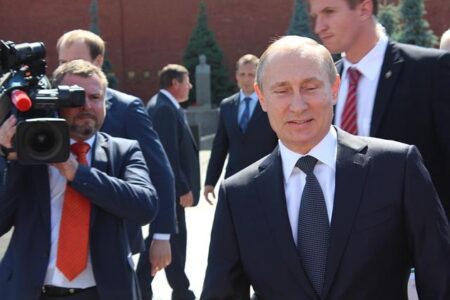

Negotiations aimed at resolving the ongoing conflict in Ukraine faced a setback on Tuesday after a high-level meeting between officials from Russia and the United States ended without concrete progress. Despite hopes that the talks would pave the way for renewed peace discussions, diplomats from both sides reported significant disagreements that have now postponed the next round of direct negotiations. The delay underscores the lingering complexities and deep mistrust that continue to challenge efforts toward a diplomatic resolution in the region.
Ukraine Peace Talks Postponed Following Strategic Discussions Between Russia and U.S
High-level discussions between Russia and the United States have resulted in a mutual decision to postpone the upcoming peace negotiations concerning the ongoing conflict in Ukraine. Both parties emphasized the need for further strategic alignment before resuming formal talks. While details remain sparse, sources suggest that the dialogue focused heavily on security guarantees, humanitarian considerations, and the broader geopolitical balance in Eastern Europe.
Key points highlighted during the recent meetings include:
- Assessment of current military activities and ceasefire enforcement mechanisms.
- Coordination on aid delivery to affected regions across Ukraine.
- Exploration of diplomatic frameworks aimed at ensuring long-term stability.
- Addressing sanctions and economic implications as part of the wider peace strategy.
Officials from both sides underscored the complexity of the situation and reaffirmed their commitment to continuing diplomatic engagement. The postponement signals a cautious approach, reflecting the delicate balance of interests and the critical importance of crafting a robust, enforceable agreement when negotiations resume.
Key Obstacles Hindering Progress in Ukraine Negotiations Explored
Several entrenched challenges continue to stall the negotiation process between Ukraine and Russia, despite recent high-level meetings involving U.S. mediation. Central to the impasse are conflicting demands regarding territorial sovereignty, particularly the status of Crimea and the eastern regions. Ukraine insists on the full restoration of its internationally recognized borders, while Russia maintains strategic and geopolitical interests in these territories. This fundamental disagreement complicates diplomatic efforts and fuels mistrust among all parties involved.
Additional barriers include divergent security guarantees, economic sanctions, and humanitarian concerns affecting millions caught in the conflict zone. Key obstacles outlined by analysts include:
- The lack of a mutually acceptable framework for ceasefire enforcement
- Disputes over prisoner exchanges and access for international monitors
- Economic sanctions creating financial deadlocks impacting incentives for compromise
- Deep-seated political narratives and domestic pressures within both Russia and Ukraine
These impediments, coupled with fast-evolving geopolitical dynamics, underscore the complexity of brokering a durable peace agreement in the region.
Experts Recommend Renewed Diplomatic Channels and Confidence-Building Measures to Advance Peace
In the wake of stalled negotiations, many analysts emphasize the necessity of reopening direct communication lines between Kyiv and Moscow. Without sustained dialogue, the risk of miscalculations and further deterioration of the security environment remains high. To bridge the growing divide, experts suggest reestablishing established diplomatic forums and engaging in backchannel talks designed to build mutual understanding and preserve channels for future negotiations.
Moreover, confidence-building measures could serve as critical catalysts for de-escalation. Proposed steps include:
- Mutual troop withdrawals from contested areas to reduce tension on the ground.
- Implementing humanitarian corridors to facilitate civilian safety and aid delivery.
- Joint monitoring mechanisms overseen by neutral parties to ensure transparency.
These initiatives aim to restore a degree of trust necessary for substantive peace talks and lay the groundwork for a more durable resolution.
Final Thoughts
As negotiations remain stalled following the recent high-level discussions between Russia and the United States, the path to a resolution in Ukraine appears increasingly uncertain. Stakeholders on both sides acknowledge the complexity of the issues at hand, underscoring the challenges ahead in achieving a durable peace. Observers will be closely monitoring forthcoming diplomatic efforts as global attention continues to focus on the evolving conflict.