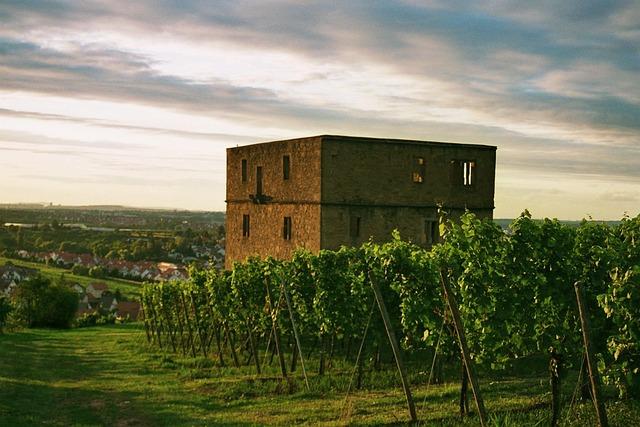
Germany is home to an astonishing number of castles-over 20,000 scattered across its landscape-cementing its reputation as a treasure trove of medieval architecture and history. From towering fortresses perched atop hills to charming palaces nestled in quaint towns, these castles offer a glimpse into the country’s rich cultural heritage and feudal past. Recent statistics highlighting the sheer volume and diversity of these structures reveal fascinating insights into their distribution, preservation, and modern-day significance. This article delves into the numbers behind Germany’s castles and explores why these historic landmarks continue to captivate locals and tourists alike.
The Rich History Behind Germany’s Vast Castle Landscape
Germany’s castle landscape is a vivid testament to its turbulent and multifaceted past, where each fortress whispers stories of medieval warfare, noble dynasties, and architectural evolution. From the imposing fortifications along the Rhine to the fairytale palaces nestled in the Bavarian Alps, these structures were not merely residences but strategic power centers. The legacy of the Holy Roman Empire, alongside regional conflicts and shifting allegiances, played a pivotal role in the castle-building frenzy that spanned several centuries. Even today, many castles have been painstakingly restored, offering a tangible link to eras dominated by knights, royalty, and feudal lords.
Key factors behind this staggering concentration include:
- Geopolitical fragmentation: Over 300 independent states once dotted the region, each vying for territorial security and prestige.
- Economic prosperity: Wealth from trade routes empowered noble families to construct opulent strongholds.
- Cultural symbolism: Castles served as a display of power and artistic expression, showcasing innovations in design and craftsmanship.
Together, these elements forged a castle network unlike any other in Europe – a living museum chronicling centuries of human ambition, creativity, and resilience.
Architectural Diversity and Preservation Efforts Across Regions
From imposing medieval fortresses nestled in the Bavarian Alps to charming Renaissance palaces scattered along the Rhine, Germany’s castles paint a vivid picture of the country’s rich architectural legacy. Each region boasts distinct styles reflecting various historical influences and materials. For instance, the northern castles often feature robust brick Gothic architecture, designed to withstand the harsher coastal climate, while southern castles frequently incorporate intricate stone carvings and colorful frescoes inspired by Italian Renaissance art. This diversity not only showcases the evolution of defensive structures but also highlights local craftsmanship and regional identities that have been preserved over centuries.
Efforts to conserve these monumental structures have sparked nationwide initiatives involving governments, private organizations, and local communities. Key preservation strategies include:
- Restoration projects that carefully use traditional techniques to maintain historical authenticity.
- Adaptive reuse of castles as museums, hotels, and cultural centers to ensure sustainable upkeep.
- Digitization and 3D modeling to document fragile sites and promote virtual tourism.
Despite challenges posed by funding and environmental factors, these measures have significantly increased public awareness and appreciation, helping to safeguard Germany’s castles as living testaments of its past.
Top Castles to Visit for an Authentic German Heritage Experience
Germany’s landscape is dotted with castles that span centuries of history and architectural grandeur. Among the most iconic is Neuschwanstein Castle, perched on a rugged hill in Bavaria. Often dubbed the “fairy tale castle,” it captures the romanticism of medieval times and serves as a major inspiration for popular culture worldwide. Another highlight is Hohenzollern Castle, a fortress with a dramatic silhouette overlooking the Swabian Alps-its medieval walls hold stories of royal intrigue and powerful dynasties. These castles are not just photography hotspots but immersive windows into Germany’s aristocratic past.
Travelers seeking less trodden paths should consider Eltz Castle, which remarkably remained untouched by wars and offers a rare glimpse into well-preserved medieval living. For a coastal experience, Marienburg Castle provides a neo-Gothic spectacle on the banks of the River Leine, rich with royal artifacts and lush surrounding parks. Whether you prefer fortified hilltop legends or majestic riverine estates, Germany’s castles present a tapestry of authentic heritage that continues to enchant visitors from around the globe.
- Neuschwanstein Castle (Bavaria)
- Hohenzollern Castle (Baden-Württemberg)
- Eltz Castle (Rhineland-Palatinate)
- Marienburg Castle (Lower Saxony)
- Heidelberg Castle (Baden-Württemberg)
Wrapping Up
As Germany continues to preserve and celebrate its vast array of castles, these 20,000 historic structures offer more than just breathtaking views and architectural grandeur-they provide a tangible link to the country’s multifaceted past. From medieval fortresses to royal residences, the sheer number and variety of castles underscore Germany’s unique cultural heritage. For historians, tourists, and locals alike, these castles remain a testament to centuries of history that continue to shape the nation’s identity today.