
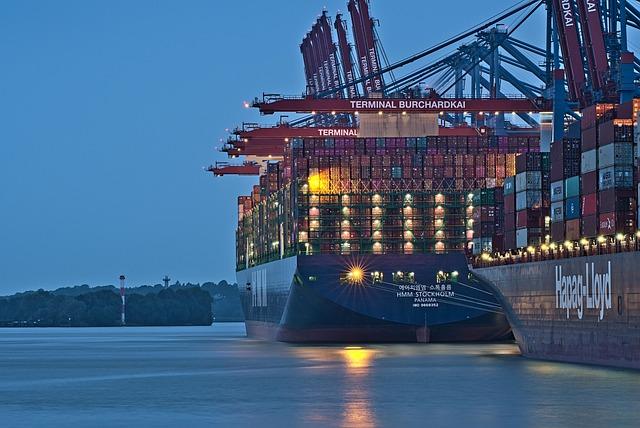
The Atlantic Council has unveiled a new US-Brazil Trade Dashboard, providing unprecedented insight into the evolving economic relationship between the two nations. As trade ties deepen amid shifting global dynamics, this digital tool offers policymakers, businesses, and analysts real-time data and analysis on key sectors, trade flows, and investment patterns. The dashboard aims to enhance transparency and strategic decision-making, highlighting the growing significance of the US-Brazil partnership in shaping hemispheric commerce and economic growth.
US Brazil Trade Dashboard Reveals Emerging Market Opportunities
The latest trade analytics spotlight a dynamic shift in bilateral commerce between the United States and Brazil, highlighting sectors ripe for strategic investment and growth. Utilizing real-time data, the dashboard reveals that emerging industries such as renewable energy, agribusiness technology, and digital services are becoming pivotal nodes in the trade ecosystem. These sectors demonstrate strong upward trajectories, supported by evolving regulatory frameworks and increasing market demand on both sides of the continent.
Key insights from the dashboard include:
- Renewable Energy: A surge in US investments driven by Brazil’s expansive biofuel and solar projects.
- Agricultural Exports: Advanced technologies and supply chain efficiencies enhancing export volumes.
- Technology & Innovation: Growth in digital services and cross-border tech partnerships fostering new market entry points.
These trends underscore not only the economic potential but also the deepening collaboration efforts that could redefine the US-Brazil trade landscape in the coming decade.
Analyzing Key Sectors Driving Bilateral Trade Growth
Sustained growth in trade between the United States and Brazil is largely attributed to a handful of dynamic sectors that have demonstrated resilience and expansion despite global economic fluctuations. Key contributors include the agriculture and agribusiness industries, where exports such as soybeans, corn, and beef have consistently fueled bilateral commerce. Additionally, the energy sector, particularly biofuels and oil derivatives, shows increasing interdependence, leveraging Brazil’s natural resource endowment and the U.S.’s technological prowess. The automotive and aerospace industries also play pivotal roles, with components and finished goods crossing borders to meet rising demands in both markets.
Beyond these traditional powerhouses, emerging sectors like information technology and renewable energy are gaining traction, signaling a shift toward innovation-driven trade. Notable areas to watch include:
- Digital services encompassing software development and data management solutions
- Clean energy technologies such as solar and wind equipment
- Pharmaceuticals and medical devices responding to heightened health sector needs
These sectors not only diversify the bilateral trade portfolio but also set the stage for sustained economic cooperation, reinforcing the strategic partnership between the two nations.
Recommendations for Strengthening Supply Chain Resilience and Policy Coordination
To enhance the robustness of supply chains between the United States and Brazil, stakeholders must prioritize diversified sourcing and invest in advanced technologies that enable real-time tracking and predictive analytics. Strengthening infrastructure in critical sectors, such as logistics and telecommunications, will reduce vulnerabilities exposed during global disruptions. Moreover, fostering stronger public-private partnerships can facilitate rapid response mechanisms, ensuring minimal downtime and sustained flow of essential goods.
Effective policy coordination requires a multi-layered approach encompassing regulatory harmonization, transparent data sharing, and aligned contingency planning. Governments on both sides should establish dedicated task forces to oversee supply chain risks and promote cross-border collaboration aligned with economic and security objectives. Key actions include:
- Implementing joint risk assessment frameworks to identify and mitigate bottlenecks early.
- Streamlining customs procedures to accelerate trade while maintaining compliance.
- Investing in workforce training to sustain operational excellence across supply chain nodes.
To Conclude
As the economic ties between the United States and Brazil continue to evolve, the Atlantic Council’s US-Brazil Trade Dashboard offers a timely and valuable resource for policymakers, businesses, and analysts alike. By providing real-time data and insightful analysis, the dashboard enhances understanding of trade dynamics and highlights opportunities for deeper cooperation. In an era marked by shifting global markets and strategic partnerships, tools like this will be essential in guiding informed decisions that shape the future of bilateral trade.