
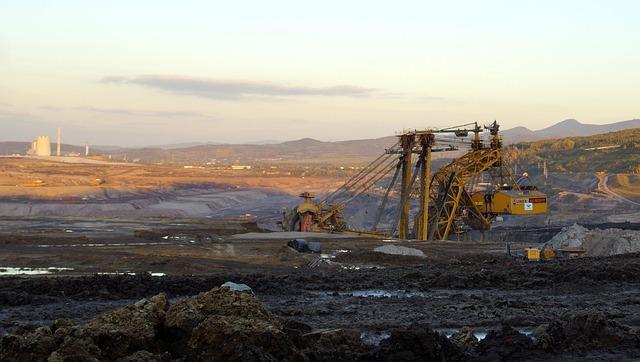
In a significant development for the global fight against climate change, Australia and Indonesia have entered discussions to jointly halt the approval of new thermal coal mines. As two of the world’s largest exporters of this carbon-intensive resource, their potential agreement could mark a pivotal step toward accelerating the green transition in the Asia-Pacific region. Experts suggest that such a move would not only curtail future emissions but also signal a powerful commitment to renewable energy investments, reshaping the economic and environmental landscape for both nations.
Australia and Indonesia’s Commitment to Ending New Thermal Coal Mines Sets a Global Precedent
In a landmark move, two of the Asia-Pacific region’s largest coal producers have signaled a shared vision for a cleaner energy future by committing to cease the development of new thermal coal mines. This decision not only challenges the entrenched reliance on fossil fuels but also establishes a powerful example for other nations grappling with the delicate balance between economic growth and environmental responsibility. Both countries, recognizing the environmental and financial risks associated with continued coal expansion, are poised to become key drivers in accelerating the global transition towards renewable energy sources.
Key implications of this commitment include:
- Reducing carbon emissions on a significant scale by limiting coal supply.
- Stimulating investments in clean energy technologies and infrastructure.
- Encouraging regional cooperation on climate policies and sustainable development.
- Demonstrating that economic progress and climate ambition can coexist.
By halting new thermal coal projects, these countries send a clear message that the era of unabated fossil fuel expansion is drawing to a close. This decisive stance could inspire other coal-dependent economies to rethink their energy strategies, turning a pivotal page in the global effort to combat climate change.
Economic and Environmental Impacts of Phasing Out Thermal Coal in Southeast Asia
A decisive move to phase out thermal coal in Southeast Asia could unleash both economic transformation and environmental rejuvenation. Economically, the region stands to benefit from redirecting investments towards renewable energy infrastructures such as solar and wind, which promise long-term stability and job creation. While the immediate challenge lies in managing the transition for communities and industries reliant on coal mining, government policies that promote reskilling and diversify local economies can mitigate potential disruptions. The shift also aligns with global financial trends, as international investors increasingly divest from coal assets, opening new capital avenues for clean energy projects.
Environmentally, reducing dependence on thermal coal would significantly cut greenhouse gas emissions, addressing Southeast Asia’s soaring air pollution and climate risks. The potential benefits include:
- Improved public health outcomes through reduced particulate matter and toxic pollutants.
- Enhanced biodiversity protection by limiting land degradation from mining activities.
- Strengthening resilience against climate-driven weather extremes such as floods and droughts.
Such a transition not only supports international climate commitments but also positions Southeast Asia as a leader in sustainable development, demonstrating how balancing economic growth with ecological stewardship is achievable.
Policy Recommendations for Accelerating the Green Energy Transition in Both Nations
To effectively accelerate the shift towards renewable energy, both Australia and Indonesia must implement coordinated policy frameworks that go beyond simply halting new thermal coal ventures. Governments should prioritize investment in clean energy infrastructure, such as solar, wind, and geothermal projects, while streamlining regulatory processes to attract private sector participation. Additionally, introducing robust carbon pricing mechanisms could create financial incentives to hasten decarbonization efforts across industries dependent on fossil fuels.
Key policy actions include:
- Phasing out subsidies for coal and other fossil fuels to level the playing field for renewable technologies.
- Promoting technological innovation and workforce retraining programs to prepare affected communities for green jobs.
- Enhancing cross-border collaboration to share best practices, finance joint renewable projects, and develop integrated energy markets.
Such measures could transform what is currently a source of tension into a powerful alliance driving sustainable growth and energy security in the region.
Concluding Remarks
The potential agreement between Australia and Indonesia to end the development of new thermal coal mines marks a pivotal step in the global effort to combat climate change. By shifting focus away from fossil fuels and towards renewable energy, both nations could not only reduce carbon emissions but also stimulate economic growth through green technology investments. As two major players in the coal industry, their collaboration signals a significant commitment to the energy transition, setting a precedent that could influence other coal-dependent countries. The coming years will reveal whether this proposed partnership can translate into concrete policies and meaningful progress on the path to a more sustainable future.