
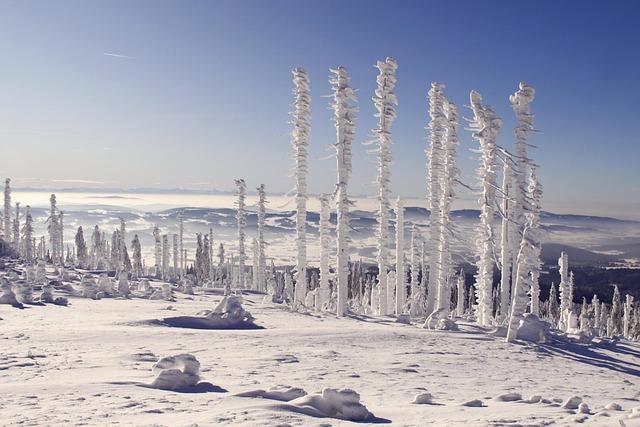
As winter tightens its hold across Germany, the nation grapples with plunging temperatures, widespread snowfall, and the challenges posed by harsh weather conditions. From transportation disruptions to increased energy demands, the season is testing infrastructure and communities alike. This report explores how Germany is coping under winter’s firm grip, highlighting both the immediate impacts and the responses mobilized to keep life moving amid the cold.
Winter’s Impact on Germany’s Infrastructure and Daily Life
As temperatures plunge and snow blankets large parts of the country, Germany’s infrastructure is facing significant challenges. Key highways are frequently closed due to icy conditions, while rail services experience delays and cancellations, complicating the daily commute for millions. Airports report disruptions as de-icing operations and limited visibility slow down air traffic. Municipal services are stretched thin, working around the clock to clear roads and ensure essential utilities such as heating and electricity remain uninterrupted during the harsh cold snap.
Residents are adapting to the severe winter conditions in various ways:
- Stockpiling essential supplies to minimize trips outside
- Switching to winter tires and investing in snow chains for safer travel
- Adjusting work schedules or opting for remote work where possible
- Community efforts to assist elderly and vulnerable neighbors with snow removal and errands
The icy grip of winter has not only disrupted traditional routines but also sparked discussions about the resilience and preparedness of Germany’s aging infrastructure amidst increasingly volatile weather patterns.
Energy Supply Challenges Amidst Prolonged Cold Spells
The unprecedented cold wave sweeping through Germany has significantly strained the nation’s energy infrastructure. As temperatures plunge, demand for heating reaches record highs, pushing supply networks to their operational limits. Power plants are grappling with increased fuel consumption, while renewable sources like wind and solar underperform due to adverse weather conditions. The energy grid faces potential instability as reserves dwindle faster than anticipated, raising concerns over possible blackouts in the coming weeks.
Key challenges include:
- Soaring natural gas demand amid limited imports
- Reduced output from renewable energy installations
- Logistical hurdles in fuel transportation caused by icy roads
- Increased pressure on heating oil supplies in residential areas
Authorities emphasize the need for rationing and urge consumers to moderate usage, while accelerating emergency energy procurement measures to stabilize the volatile supply-demand balance. Industry experts warn that without immediate interventions, prolonged cold spells could trigger cascading effects on economic activities and public wellbeing throughout Germany.
Strategies for Citizens to Stay Safe and Warm During Extreme Winter Conditions
When temperatures plummet and snow blankets cities, residents must prioritize both safety and warmth to endure the harsh conditions. Experts recommend dressing in layers using thermal wear, waterproof outer garments, and insulated boots to protect against frostbite and hypothermia. Keeping emergency supplies such as blankets, batteries, and non-perishable food within reach is essential, especially for those living alone or in remote areas. Authorities also advise limiting travel during severe weather warnings and using public transportation when available to minimize risks on icy roads.
Community solidarity plays a crucial role during winter crises. Citizens are encouraged to check on vulnerable neighbors and share resources when needed. Basic household preparations can significantly mitigate cold-related dangers:
- Ensure heating systems are serviced and operational.
- Seal windows and doors to prevent drafts.
- Keep a charged mobile phone for emergencies.
- Use carbon monoxide detectors to avoid poisoning from improper heating devices.
By taking these comprehensive measures, individuals can better navigate the relentless grip of winter while safeguarding their families and homes.
The Conclusion
As Germany continues to confront the challenges wrought by a persistent winter grip, authorities and residents alike brace for the weeks ahead. With colder temperatures and potential disruptions still forecasted, the nation’s resilience and preparedness remain key to navigating the season safely. Stay tuned to DW for ongoing coverage and updates on how winter conditions evolve across Germany.