In a significant move for conservation, the American Bird Conservancy has announced the establishment of a new protected reserve in Argentina aimed at safeguarding the threatened grassland habitat of the rare saffron-cowled blackbird. This initiative marks a crucial step in preserving one of South America’s most endangered bird species and the fragile ecosystems they depend on. The new reserve will support ongoing efforts to combat habitat loss and ensure a sustainable future for this striking and elusive bird.
New Argentina Reserve Established to Safeguard Critical Grassland Habitat
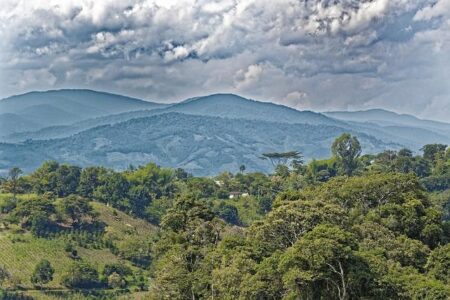
The establishment of this new reserve marks a significant victory for conservation efforts aimed at protecting one of Argentina’s most endangered ecosystems. The reserve encompasses sprawling tracts of native grassland, a habitat critical to the survival of the saffron-cowled blackbird, a species whose population has been plummeting due to habitat loss and fragmentation. This initiative not only preserves vital breeding and foraging grounds for the blackbird but also supports a diversity of other native flora and fauna that rely on these unique grasslands.
Key features of the reserve include:
- Native grassland restoration: Efforts are underway to rehabilitate degraded patches, enhancing habitat connectivity.
- Community involvement: Local stakeholders are being engaged in sustainable land management and conservation education.
- Research opportunities: The protected area will serve as a living laboratory for monitoring grassland ecosystems and species recovery.
This protected area demonstrates a promising model of conservation that balances ecological needs with community participation, offering hope for the saffron-cowled blackbird and the broader grassland biome.
Conservation Efforts Focus on Protecting the Endangered Saffron-cowled Blackbird
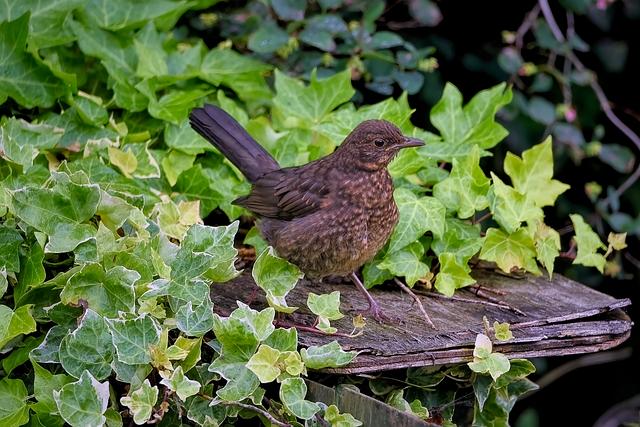
In a bold stride toward biodiversity preservation, the recently established reserve in Argentina stands as a vital sanctuary for the endangered saffron-cowled blackbird. This striking bird, known for its vibrant plumage and elusive nature, has faced severe habitat loss due to agricultural expansion and urban development. The reserve aims not only to safeguard the current population but also to restore its grassland habitat through targeted conservation measures. Local authorities, in partnership with international wildlife organizations, have prioritized this area to foster breeding success and increase population stability.
Key conservation efforts within the reserve include:
- Habitat restoration: Replanting native grass species and controlling invasive plants to rebuild the blackbird’s natural environment.
- Monitoring programs: Regular population surveys and tracking to inform adaptive management strategies.
- Community engagement: Educational initiatives and sustainable land-use practices developed alongside local farmers.
These measures represent a comprehensive approach combining science, community collaboration, and policy enforcement, all aimed at reversing the decline of this emblematic grassland species.
Experts Urge Expanded Monitoring and Community Engagement to Ensure Long-Term Success
Conservation specialists emphasize that safeguarding the newly established reserve requires vigilant and ongoing monitoring to track the population trends of the saffron-cowled blackbird and other native species. They advocate for the deployment of cutting-edge technologies such as remote sensing and acoustic monitoring to gather real-time data vital for adaptive management strategies. These measures will help identify emerging threats, assess habitat quality, and measure the effectiveness of conservation actions over time.
Equally important is the involvement of local communities in stewardship efforts. Experts highlight that engaging residents through education programs, participatory workshops, and collaborative management plans fosters a sense of ownership and responsibility for the grasslands. By integrating traditional knowledge with scientific research, community members can become active partners in preserving this critical ecosystem, ensuring that protective efforts are sustainable in the long run.
- Implementation of technology-driven monitoring tools
- Regular ecological assessments and reporting
- Community-led conservation initiatives
- Educational outreach to foster environmental awareness
Concluding Remarks
The establishment of this new reserve marks a significant step forward in conserving Argentina’s vital grassland ecosystems and the rare saffron-cowled blackbird that depends on them. By safeguarding these habitats, conservationists hope to curb the species’ decline and promote biodiversity in the region. Continued efforts and support from local communities and authorities will be crucial to ensuring the long-term success of this initiative, offering a promising beacon of hope for grassland conservation in South America.