
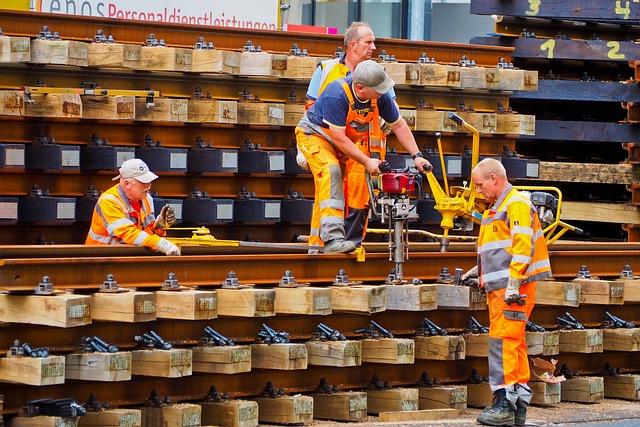
Spain’s rail services have been significantly disrupted as a three-day strike commenced, impacting millions of commuters and business travelers across the country. Organized by major railway unions, the industrial action aims to address workers’ demands over pay and working conditions, leading to widespread cancellations and delays on key routes. This unprecedented strike poses considerable challenges for Spain’s transportation network and raises concerns for the business travel sector during a critical period of economic activity.
Impact of Spain’s Rail Strike on Business Travel and Economic Activity
The recent three-day rail strike in Spain has sent shockwaves through the business community, causing widespread disruption to corporate travel plans. Many companies faced cancellations and delays, prompting last-minute adjustments to meetings and conferences. Frequent business commuters, especially those relying on high-speed services connecting financial hubs, bore the brunt of the strike’s impact. The uncertainty fueled logistical challenges, with alternative transport modes such as buses and car rentals experiencing a surge in demand. This scramble not only increased travel costs but also extended journey times, putting pressure on tight business schedules and productivity.
The economic repercussions extended beyond delayed travelers. Local businesses situated near major train stations reported notable declines in customer footfall, as decreased passenger flow translated directly into lower sales. Furthermore, the strike added strain on Spain’s broader business ecosystem by disrupting supply chains reliant on rail freight. Industry analysts estimate that the cumulative effect could lead to millions in lost revenue, emphasizing the critical role that reliable rail services play in sustaining economic activity and fostering regional connectivity.
- Increased operational costs for companies due to disrupted travel
- Decline in patronage for station-area retail and hospitality businesses
- Heightened pressure on alternative transport infrastructure
- Potential long-term shifts in corporate travel policies
Operational Challenges Faced by Rail Operators Amid the Prolonged Disruption
The ongoing strike has placed significant pressure on rail operators, who are grappling with a multitude of operational hurdles. Key among these challenges is the disruption to scheduling, with frequent cancellations and delays creating cascading effects across the network. This unpredictability hampers the ability to manage crew assignments efficiently, forcing companies to scramble for last-minute replacements and adjustments. Additionally, strained communication channels between management, staff, and passengers complicate the dissemination of timely information, undermining customer confidence and satisfaction.
Rail operators are also contending with:
- Increased maintenance backlogs due to reduced service hours and postponed inspections.
- Decreased revenue streams as passenger numbers dwindle amidst the uncertainty.
- Heightened security concerns surrounding station management during periods of unrest.
- Coordination difficulties with freight services that rely on shared track infrastructure.
These operational pressures not only affect daily service delivery but also threaten long-term strategic goals, as operators must balance immediate crisis management with future recovery planning.
Strategies for Businesses to Mitigate Risks During Spain’s Rail Service Interruptions
In light of the ongoing rail service disruptions caused by the strike in Spain, businesses are urged to adopt proactive measures to safeguard operations and minimize losses. Prioritizing alternative transportation methods, such as chartering private coaches or increasing reliance on car rentals, can ensure continuity for essential travel. Additionally, leveraging remote work technologies can reduce the necessity of physical commuting, enabling employees to maintain productivity despite transit challenges.
Effective communication with clients and partners is crucial during this period. Keeping stakeholders informed about potential delays and adjusted schedules helps manage expectations and preserve professional relationships. Furthermore, revisiting travel policies to allow for flexible bookings and cancellations will accommodate the fluid situation, while businesses consider supplementing travel budgets to cover unexpected logistical expenses.
- Arrange private or alternative transport for critical personnel
- Enhance telecommuting capabilities to limit travel dependence
- Maintain transparent communication with clients and suppliers
- Revise travel policies for flexibility and cost adjustments
Insights and Conclusions
As Spain’s rail workers continue their three-day strike, travelers and businesses alike face mounting uncertainty and disruption. With negotiations ongoing, authorities and unions remain under pressure to reach an agreement that restores normal service and alleviates the significant impact on the country’s transportation network. Stakeholders across the business travel sector will be closely monitoring developments as efforts intensify to resolve the dispute and minimize further economic fallout.