US soy futures retreated Wednesday as the advancing Brazilian harvest eased concerns over global supply tightness. After a recent rally driven by tight stocks and strong demand, growing export volumes from South America are weighing on prices. Market participants are closely monitoring crop progress reports from Brazil, the world’s largest soybean exporter, amid shifting weather conditions and trade dynamics influencing the outlook for the coming months.
US Soy Futures Ease Amid Growing Brazilian Supply Pressure
US soy futures experienced a noticeable pullback this week, largely attributed to mounting pressure from Brazil’s advancing harvest. As the South American crop reaches maturity faster than anticipated, traders are recalibrating expectations for global supply, which in turn is easing the bullish momentum seen on the Chicago Board of Trade earlier this month. Market analysts highlight that the influx of Brazilian soybeans, a major competitor to US exports, has led to a sharp increase in available supplies, prompting sellers to reduce prices in anticipation of heightened competition.
Key factors influencing the market include:
- Record-breaking yields reported in Brazil’s top producing states
- Improved weather conditions smoothing harvest operations
- Strengthened Brazilian currency making exports more competitive
- Steady demand from China, but tempered by ample inventory levels
These dynamics are compelling US producers and traders to maintain a cautious stance as they navigate the shifting landscape. While demand remains solid, the balance of power is gradually tilting toward global supply growth, suggesting the US market may face continued price volatility in the near term.
Harvest Progress in Brazil Signals Increased Export Competitiveness
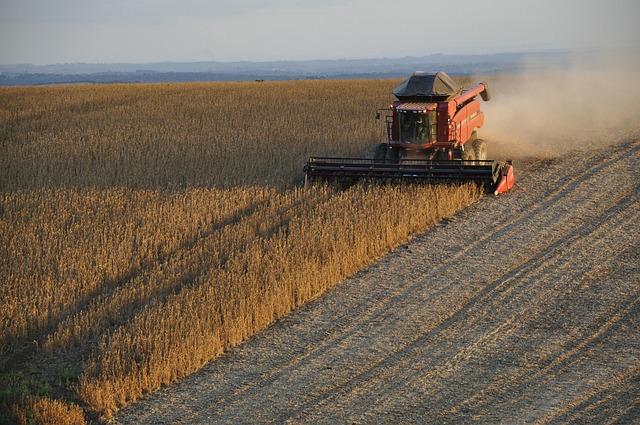
Brazil’s soybean harvest is progressing swiftly, with recent reports indicating near-ideal weather conditions and improved logistical operations. This momentum has bolstered the country’s capacity to meet high export demands, positioning Brazil as a formidable competitor in the global soy market. As fields yield abundant crops, exporters are capitalizing on favorable infrastructure developments, enhancing shipment efficiency and reducing delivery times to key international buyers.
Key factors driving Brazil’s export strength include:
- Accelerated harvest timelines allowing for earlier shipment scheduling
- Optimized port operations minimizing bottlenecks
- Competitive pricing influenced by robust supply volumes
- Government incentives supporting agricultural exports
These elements collectively contribute to a tighter global soybean supply balance, which has directly influenced the recent pullback in U.S. soy futures. Traders are closely monitoring Brazil’s export capabilities, recognizing that the advancing harvest could reshape market dynamics in the coming months.
Market Strategies for Traders Navigating Shifting Soybean Dynamics
As Brazil’s soybean harvest accelerates, traders are recalibrating their positions amid volatile market conditions. The advance of Brazilian supply exerts downward pressure on US soy futures, causing a notable pullback from previous rallies. Market participants are advised to monitor weather patterns in key growing regions closely, as any deviations could rapidly alter supply dynamics. Additionally, geopolitical developments and export demand signals, especially from China, remain pivotal in shaping near-term price trajectories.
Key strategies for navigating this environment include:
- Implementing staggered entry and exit points to manage risks linked to sudden price fluctuations.
- Leveraging futures spreads to capitalize on the widening basis between US and Brazilian soybean prices.
- Staying vigilant on global currency trends, which can affect export competitiveness and trading flows.
Closing Remarks
As Brazil’s soybean harvest progresses, increased supply expectations continue to weigh on US soy futures, tempering recent rally gains. Market participants will be closely monitoring forthcoming export data and weather developments in key growing regions to gauge potential impacts on pricing dynamics. The evolving balance between global supply and demand remains a critical factor shaping the outlook for soy markets in the weeks ahead.