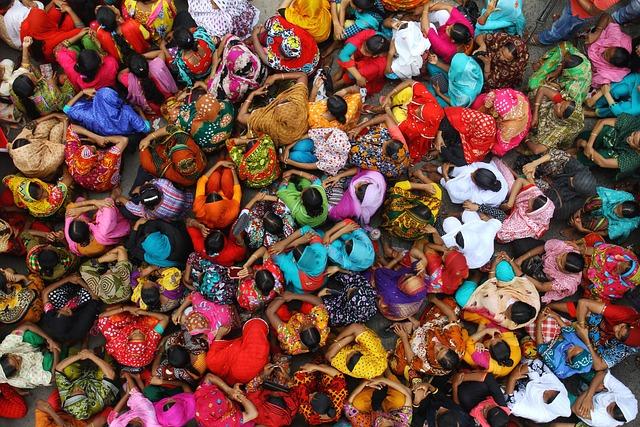
Tens of thousands of protesters took to the streets across Australia this week to voice their opposition to the visit of Israeli President Isaac Herzog. Demonstrations erupted in major cities including Sydney, Melbourne, and Brisbane, with activists condemning Israeli policies and calling for an end to the occupation of Palestinian territories. The large-scale protests, organized by various advocacy groups and community organizations, highlight growing domestic opposition to the Australian government’s engagement with Israel amid an increasingly volatile Middle East landscape.
Massive Demonstrations Erupt as Israeli President Arrives in Australia
Thousands of protesters flooded the streets of Sydney and Melbourne, voicing their opposition as the Israeli president touched down in Australia for a controversial official visit. Demonstrators, holding banners and chanting slogans, gathered outside key venues hosting diplomatic events, demanding attention to ongoing human rights issues in the region. The protests remained largely peaceful but were marked by a palpable tension between demonstrators and law enforcement officials tasked with maintaining order.
The demonstrators represented a diverse coalition, including advocacy groups, community leaders, and concerned citizens. Their key demands included:
- An immediate halt to policies widely criticized as oppressive towards Palestinian communities
- Renewed international efforts to promote peace and justice in the Middle East
- Greater accountability and transparency in Israeli governmental actions
These public outpourings underscore the global divisiveness surrounding the Israeli president’s visit, highlighting the complexities of international diplomacy against a backdrop of grassroots activism.
Examining the Roots of Discontent Among Protesters
The wave of protests confronting the Israeli president’s visit to Australia is deeply rooted in longstanding grievances that extend beyond immediate political concerns. Demonstrators highlight a series of historical and ongoing issues, including the persistent expansion of settlements in occupied territories, which many consider a violation of international law. Activists are also voicing opposition to policies they argue contribute to systemic inequalities and human rights abuses against Palestinians. These factors combine to fuel a pervasive sense of injustice that has galvanized diverse communities, from local activists to diaspora groups, into collective action.
Central to the protesters’ discontent is a call for accountability and a demand for tangible change in the approach to peace and diplomacy. Key concerns repeatedly cited during demonstrations include:
- Alleged violations of international law surrounding land rights and military actions
- Restrictions on freedom of movement and daily life for Palestinians
- Calls for Australia’s government to reconsider its diplomatic stance and arms trade policies
This multifaceted dissent reflects a broader global discourse that challenges the legitimacy of current policies and seeks to bring attention to the plight of marginalized communities under occupation.
Calls for Policy Reassessment and Diplomatic Engagement Intensify
Amid escalating demonstrations, voices within political and activist circles are growing louder in their demand for a comprehensive review of current foreign policies related to Israel. Critics argue that the ongoing support sends the wrong message and exacerbates tensions in the Middle East, urging leaders to reconsider diplomatic priorities. This wave of dissent is not only shaping public discourse but also prompting discussions among policymakers about the necessity of recalibrating international relations to foster peace and respect for human rights.
Key calls from various groups include:
- Increased dialogue with Palestinian representatives to balance diplomatic narratives.
- Suspension of arms deals that may contribute to regional violence.
- Implementation of measures that hold all parties accountable to international law.
- Greater transparency in government decisions regarding the Middle East.
Meanwhile, diplomatic channels are reportedly intensifying efforts to address the mounting public pressure. Behind closed doors, officials are exploring avenues to engage both Israeli and Palestinian stakeholders in renewed talks, aiming to deescalate hostilities and promote sustainable peace initiatives. As tensions simmer, the international community’s response in the coming weeks will be crucial in shaping the trajectory of future relations and stability in the region.
In Summary
The large-scale protests against the Israeli president’s visit to Australia underscore the deep divisions and strong sentiments surrounding the Israeli-Palestinian conflict within the country. As demonstrations continue to draw attention from both supporters and critics, the visit remains a focal point for debate over Middle East policies and human rights concerns. Observers will be watching closely to see how the Australian government balances diplomatic relations with public opinion in the coming days.