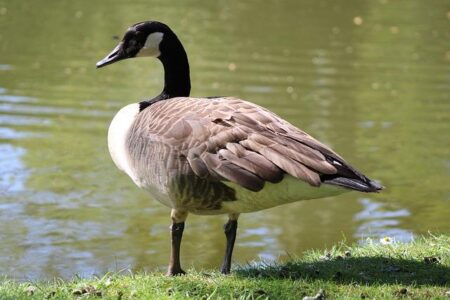
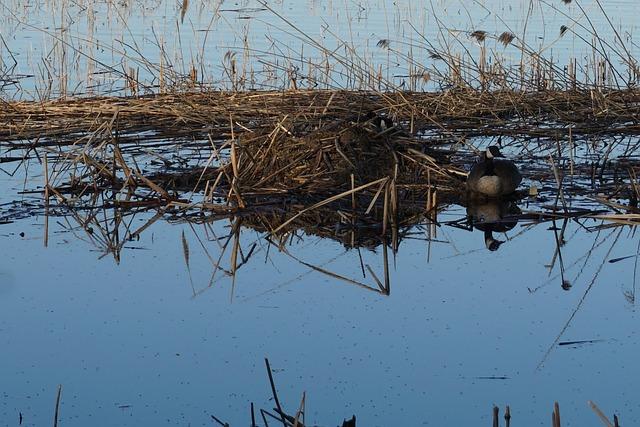
As Canada goose nesting season officially begins, Indiana wildlife officials are urging residents and communities to take proactive measures to manage the increasing bird populations and minimize potential conflicts. With growing numbers of geese settling in urban and suburban areas, experts emphasize that prevention strategies are essential to protect both public spaces and the birds themselves. Officials from the Indiana Department of Natural Resources are highlighting best practices and offering guidance to ensure a balanced approach during this critical time of year.
Indiana Wildlife Officials Emphasize Early Action to Manage Canada Goose Nesting
As the Canada goose nesting season kicks off across Indiana, wildlife officials are urging residents and property managers to take swift preventive measures to manage populations effectively. Early intervention is critical in reducing potential conflicts between geese and human activities, especially in urban and suburban environments where nesting near parks, golf courses, and waterways is common. Officials highlight the importance of addressing nesting sites before eggs hatch, as once goslings emerge, management efforts become more complicated and less effective.
Recommended strategies include:
- Regularly monitoring known nesting areas to identify and discourage new nests.
- Modifying habitats by planting taller grasses or using barriers to make spaces less attractive for nesting.
- Employing humane deterrents such as decoys, noise makers, or trained dogs to discourage geese from settling.
- Engaging with local wildlife agencies for guidance and authorized control methods.
By taking these steps early, communities can balance the protection of wildlife with public safety and property maintenance, ensuring a healthier coexistence throughout the nesting season.
Effective Prevention Strategies to Reduce Nesting Conflicts in Urban Areas
Urban environments often become hotspots for Canada goose nesting, leading to increased conflicts between wildlife and residents. To mitigate these issues, Indiana wildlife officials recommend a combination of habitat modification and public awareness efforts. Simple measures such as planting dense shrubbery or tall grasses near water bodies can discourage geese from settling in popular human activity areas. Additionally, employing visual deterrents like reflective tape or decoy predators helps create an unwelcoming atmosphere for nesting geese, reducing the chances of conflicts before they escalate.
Community involvement is also crucial in managing nesting behavior effectively. Officials encourage residents to:
- Keep grassy areas trimmed to limit feeding opportunities.
- Avoid feeding geese, which promotes dependence and concentration in urban zones.
- Report large nesting sites to local wildlife agencies for appropriate intervention.
By combining these proactive steps with professional guidance, urban communities can coexist more peacefully with Canada geese during the sensitive nesting season.
Community Role in Supporting Wildlife Management and Minimizing Property Damage
Local residents play a vital role in helping wildlife officials manage the annual challenges posed by Canada goose nesting. As the season kicks off, authorities encourage community members to remain vigilant and proactive in identifying and reporting nesting sites. Simple actions such as maintaining clean yards, removing food sources, and avoiding disturbance of nesting areas can significantly reduce conflicts. Collaboration between homeowners, businesses, and wildlife experts ensures that both the geese and the public coexist with minimal disruption.
Key steps community members can take include:
- Regularly monitoring properties for early signs of nesting activity
- Implementing deterrents like visual barriers or natural landscaping
- Refraining from feeding geese to prevent crowding and aggressive behavior
- Working with local officials to safely relocate nests when necessary
By fostering a shared commitment to responsible stewardship, communities help limit property damage such as lawn degradation and droppings accumulation. This partnership amplifies the effectiveness of official management strategies, ensuring a balanced approach that protects wildlife while preserving neighborhood quality of life.
The Way Forward
As Indiana enters the peak of Canada goose nesting season, wildlife officials emphasize that proactive prevention measures remain crucial to managing the growing population and minimizing conflicts with residents. By following recommended guidelines and remaining vigilant, communities can help protect both the geese and local ecosystems. Authorities continue to monitor the situation closely, urging the public to report any concerns to ensure a balanced approach throughout the nesting period.