
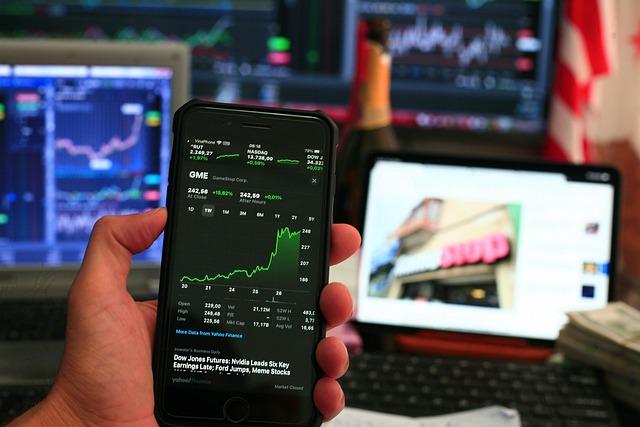
Shares in Japan slipped on Monday as most of Asia’s markets remained closed in observance of the Lunar New Year holiday. The annual festivities prompted widespread trading halts across the region, leaving Japan as one of the few active markets in Asia. Investors reacted cautiously amid the reduced liquidity and ongoing global economic uncertainties, resulting in a modest decline on the Tokyo Stock Exchange.
Shares Slide in Japan Amid Limited Regional Trading Activity
Trading activity in Japan exhibited a noticeable downturn as key stock indices declined amidst an otherwise subdued regional market. With most Asian markets closed in observance of the Lunar New Year holiday, investor participation remained thin, amplifying the impact of modest sell-offs. The Nikkei 225 index dipped by over half a percent, reflecting caution as investors digested mixed economic signals and geopolitical developments in the region.
Market watchers highlighted several factors contributing to the slide, including concerns over corporate earnings and ongoing supply chain disruptions. Notable areas of pressure included:
- Automobile manufacturers facing component shortages
- Technology firms grappling with export restrictions
- Financial institutions adjusting to shifting monetary policies
Despite the quiet regional backdrop, analysts underscore the potential for volatility as markets prepare to reopen fully next week, with investors closely monitoring recovery trends and policy announcements across Asia.
Impact of Lunar New Year Holiday on Asia’s Financial Markets
As most of Asia’s financial markets remain closed in observance of the Lunar New Year holiday, trading volumes across the region have plummeted, leaving investors to closely watch the limited activity in Japan where markets resumed trading. Tokyo’s stock exchange experienced a notable downturn, with the Nikkei 225 index falling sharply amid cautious sentiment. The dip reflects a combination of global economic uncertainties and reduced liquidity, as many investors choose to wait until trading resumes fully across Asia.
Key factors influencing the current market environment include:
- Lower trading volumes due to holiday closures in major Asian financial hubs such as Hong Kong, Shanghai, and Seoul.
- Heightened sensitivity to global economic data and geopolitical tensions, amplified by thin market activity.
- Investors’ cautious approach ahead of upcoming corporate earnings reports and central bank policy announcements.
Strategies for Investors Navigating Reduced Market Liquidity During Holidays
During holiday periods, trading volumes often decline as many investors and institutions step back, resulting in reduced market liquidity. This environment increases volatility and heightens the risk of price swings, making it crucial for investors to adopt cautious approaches. One immediate strategy is to prioritize high-quality, blue-chip stocks, which tend to display more stable performance amidst low liquidity. Additionally, keeping a close eye on market orders and avoiding aggressive trading can help mitigate exposure to sudden price gaps or slippage.
Investors should also consider diversifying their portfolios across different asset classes and geographies to buffer against holiday-induced market disruptions. Keeping ample cash reserves allows for flexibility to capitalize on unpredictable market movements without being forced to sell assets at unfavorable prices. Furthermore, leveraging limit orders instead of market orders can offer more control over trade execution, reducing the risk of unfavorable fills during these quieter sessions.
Key Takeaways
As Japan’s stock market experienced a decline amid subdued trading activity, much of Asia remained quiet with most markets closed in observance of the Lunar New Year holiday. Investors will be closely watching for any shifts in market sentiment once trading resumes across the region. In the meantime, global markets continue to navigate broader economic uncertainties, with attention focused on upcoming economic data and policy developments.