In the rolling hills of Lazio, Italy, a centuries-old tradition continues to thrive as artisans craft authentic Pecorino Romano cheese, a staple of Italian cuisine renowned worldwide for its sharp, salty flavor. This article takes an in-depth look at the meticulous process behind producing real Pecorino Romano-examining the time-honored methods, strict regulations, and local expertise that ensure its distinctive quality. From the care of sheep grazing on lush pastures to the precise aging techniques, discover how this iconic cheese maintains its heritage while meeting modern demands.
Authentic Pecorino Romano Production Techniques in Lazio Revealed
Deeply rooted in tradition, the making of Pecorino Romano in Lazio demands strict adherence to time-honored methods that have been preserved for centuries. At the heart of the process is the use of fresh sheep’s milk from local flocks, which must be collected within hours of milking to preserve its natural enzymes. The milk is gently heated and coagulated with natural lamb rennet, a critical step that shapes the cheese’s distinctive texture and tangy flavor profile. Once curdled, the cheese curds are cut and transferred into round molds, where they undergo a pressing phase to eliminate excess whey and compact the mass.
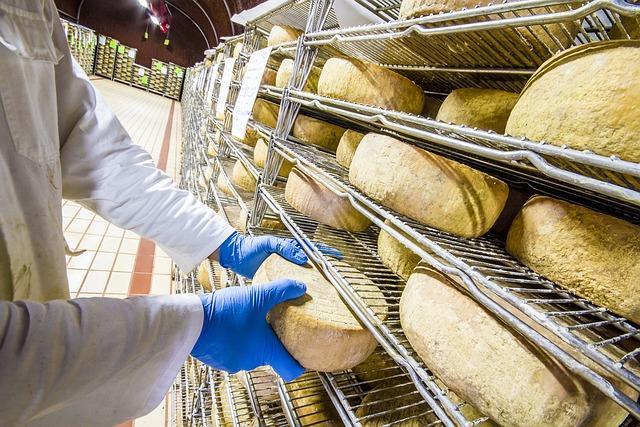
Following pressing, the wheels are immersed in a salt brine solution, a stage essential not only for flavor development but also for the cheese’s characteristic longevity and rind formation. Aging takes place in carefully monitored environments, where temperature and humidity are balanced to foster the development of the signature hard, crumbly texture. Throughout maturation, the cheese is regularly turned and brushed, ensuring an even rind and stimulating microbial activity that enhances complexity. Producers emphasize:
- Use of exclusively sheep’s milk sourced from designated territories in Lazio
- Manual handling during curding and molding to maintain quality
- Strict aging duration, usually no less than 5 months for table cheese
- Continuous monitoring of storage conditions to guarantee authenticity
The Role of Traditional Shepherds and Seasonal Practices in Cheese Quality
In the rugged landscapes of Lazio, where Pecorino Romano originates, traditional shepherds play a pivotal role in preserving the cheese’s authentic character. These seasoned custodians guide their flocks through ancient migratory routes, adjusting grazing patterns with the seasons to ensure sheep consume a rich, diverse diet of native herbs and grasses. This intimate knowledge of the land, passed down through generations, directly influences the milk’s quality, imparting subtle aroma and flavor nuances that define true Pecorino Romano. The shepherds’ labor-intensive, hands-on approach is essential not only to animal well-being but also to sustaining the ecological balance crucial for producing high-caliber raw materials.
Seasonal practices further distinguish the cheese’s production cycle. As spring blossoms, sheep move to higher pastures abundant with fresh flora, resulting in a creamier, subtly fragrant milk. In contrast, winter months demand stable indoor care, with controlled feeding to maintain consistent milk properties. Throughout the year, traditional techniques such as early morning milking and swift processing are strictly adhered to, arriving from centuries-old customs. Key factors include:
- Daily movement of flocks to optimize pasture use
- Selective milking times to capture peak dairy quality
- Seasonally adjusted feeding to balance nutrition and flavor
These practices collectively ensure Pecorino Romano’s distinctive taste profile remains uncompromised, cementing its place as a symbol of Lazio’s pastoral heritage.
Expert Tips for Identifying Genuine Pecorino Romano on the Market
Authenticity is key when selecting Pecorino Romano, a cheese steeped in tradition and protected by strict PDO (Protected Designation of Origin) regulations. Genuine Pecorino Romano bears distinctive markings on its rind, including an imprint of the cheese’s name and the consortium’s seal, signaling its origin and compliance with Lazio production standards. When inspecting the cheese, look for a firm texture with a slightly grainy interior, and a pale ivory hue that deepens with aging. The aroma should be sharp yet balanced, reflecting the rich pastures of the Lazio region where the sheep graze.
In addition to visual and olfactory cues, buyers should focus on trusted sources. Purchasing directly from certified producers, specialty cheese shops, or verified retailers ensures a true Pecorino Romano experience. Here are some expert pointers to keep in mind:
- Check for the PDO label – mandatory for all authentic Pecorino Romano cheese.
- Verify the provenance – genuine cheese is exclusively produced in Lazio, Sardinia, and Tuscany, with Lazio as the historic heart.
- Beware of unusually low prices – quality production and aging come at a cost, and bargains may hint at imitation.
- Trust artisan texture – mass-produced variants often lack the distinctive grainy bite.
The Conclusion
In tracing the journey of Pecorino Romano from the rolling pastures of Lazio to tables around the world, it becomes clear that this iconic cheese is much more than a culinary staple-it’s a testament to Italy’s deep-rooted artisanal traditions and rigorous standards. As demand for authentic Pecorino Romano grows, the producers in Lazio remain steadfast in preserving the heritage and quality that define this remarkable cheese. This commitment ensures that each wheel carries the unmistakable flavors of its origin, securing its place not only in Italian culture but also on global palates for generations to come.