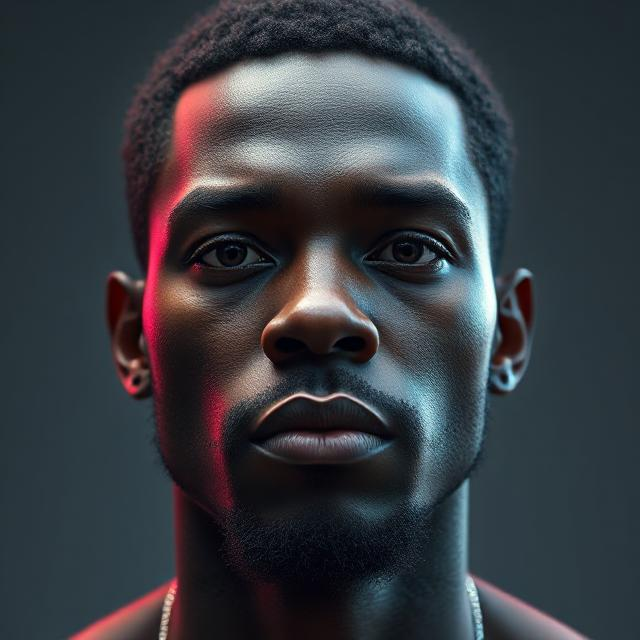

Spanish-speaking reggaeton superstar Bad Bunny is striking a powerful chord among Brazilian music fans, reigniting conversations about Latin identity in a country where Portuguese predominates. As his music gains unprecedented popularity across Brazil, the Puerto Rican artist’s influence is prompting many to reflect on the shared cultural roots and complex ties that bind Latin America’s diverse communities. This phenomenon highlights the evolving landscape of regional identity amid globalization and raises questions about language, heritage, and belonging in contemporary Latin American music culture.
Bad Bunny’s Rise Sparks Renewed Interest in Latin Roots Among Brazilian Youth
Brazilian youth are increasingly embracing Latin culture, ignited by the meteoric success of Puerto Rican artist Bad Bunny. Despite the language difference, his music has transcended barriers, resonating deeply with a generation eager to explore their shared heritage. This cultural wave is prompting young Brazilians to revisit and reclaim aspects of their Latin roots, from traditional rhythms to contemporary sounds, fostering a renewed sense of identity that bridges the divide between Spanish and Portuguese-speaking communities.
Experts attribute this shift to several factors:
- Globalization of Latin music: Streaming platforms have made it easier than ever to access diverse genres.
- Cultural curiosity: Younger audiences are actively seeking authentic connections to their ancestry.
- Cross-border collaborations: Increased artistic partnerships between Brazilian and Latin artists spark mutual appreciation.
As this trend unfolds, it signals a potential redefinition of Latin identity in Brazil, blending local traditions with broader continental influences.
Bridging the Language Divide Challenges and Opportunities in Brazil’s Music Scene
Brazil’s vibrant music scene has long been characterized by its rich diversity and unique cultural expressions, yet language remains an unspoken barrier for many artists and fans alike. The emergence of Bad Bunny, a Spanish-speaking superstar, has ignited a conversation about the linguistic divides that shape Latin America’s musical landscape. His growing popularity among Brazilian audiences has challenged the traditional notion that Spanish-language music holds less sway in the Portuguese-speaking market, revealing a hunger for broader Latin identity beyond linguistic borders. As fans stream his hits and dance to reggaeton beats, there is an unmistakable shift toward embracing a pan-Latin sound that transcends language, opening doors to new collaborations and cross-cultural experimentation.
However, this surge in cross-lingual popularity is not without its challenges. Brazilian artists often face increased competition and struggle to maintain visibility when global Spanish-language acts dominate digital platforms. At the same time, local musicians find opportunities to harness this momentum by incorporating Spanish influences or teaming up with international stars, fostering a mutually beneficial exchange. Key factors driving this evolution include:
- Streaming platforms breaking down distribution barriers
- Youth-driven cultural exchange via social media
- Industry adaptation to multilingual marketing strategies
As Brazil grapples with the realities of a shared Latin heritage, the interplay between language and identity in music continues to redefine what it means to belong to a continent united by rhythm, despite diverse tongues.
Embracing Bilingual Sounds How Brazilian Artists Can Foster a Unified Latin Identity
Brazilian musicians stand at a cultural crossroads, navigating a rich tapestry of language and sound that reflects the diverse Latin American experience. The rise of Spanish-speaking artists like Bad Bunny has ignited conversations about identity, unity, and the power of music to transcend linguistic divides. While Portuguese remains the dominant musical language in Brazil, the increasing popularity of Spanish-language hits among Brazilian audiences reveals a craving for a shared Latin identity that surpasses national boundaries.
To capitalize on this momentum, Brazilian artists can leverage several strategies:
- Incorporate bilingual lyrics seamlessly, blending Portuguese and Spanish to resonate with a broad Latin audience.
- Collaborate with artists from other Latin countries to foster cross-cultural exchanges and amplify diverse musical influences.
- Emphasize themes common across Latin America-such as resilience, heritage, and social justice-to build emotional connections.
By embracing bilingual sounds and collaboration, Brazilian musicians can not only tap into new markets but also help forge a unified Latin identity, resonating deeply throughout the region’s dynamic cultural landscape.
Final Thoughts
As Bad Bunny’s influence continues to ripple beyond linguistic and cultural borders, his resonance among Brazil’s youth underscores a broader reclamation of Latin identity. In a country where Portuguese predominates, the Puerto Rican artist’s success highlights a growing desire to reconnect with shared roots through music. This emerging trend suggests that, despite historical divisions, Latin America’s diverse populations are finding new ways to unite-one beat at a time.