
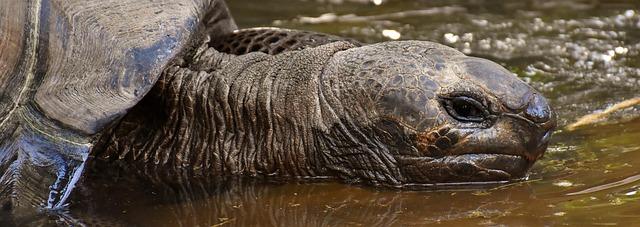
In a remarkable conservation success story, giant tortoises have made a triumphant return to one of the Galapagos Islands, marking a significant milestone in efforts to restore the archipelago’s unique biodiversity. Decades of intensive protection and breeding programs have culminated in the reintroduction of these iconic reptiles to their natural habitat, signaling hope for the preservation of the Galapagos ecosystem. This latest development, reported by France 24, underscores the vital role of collaborative environmental initiatives in reversing the damage caused by human activity and invasive species.
Giant Tortoises Reintroduced to Galapagos Island in Major Conservation Effort
In a groundbreaking conservation milestone, a group of giant tortoises has been successfully reintroduced to one of the Galapagos Islands, marking a significant stride toward restoring the archipelago’s unique biodiversity. Conservationists, local authorities, and international partners collaborated over several years to breed and prepare these iconic reptiles for their return to the wild. The effort aims to reinforce the population of giant tortoises, which had dwindled dramatically due to past human activity and introduced predators.
Key elements of the project include:
- Captive breeding programs that nurtured hundreds of tortoises from eggs to juveniles in secure facilities.
- Habitat restoration efforts to ensure a safe and sustainable environment free from invasive species like rats and goats.
- Community engagement initiatives promoting awareness and support among local island residents and tourists alike.
Experts emphasize that the slow-maturing nature of giant tortoises necessitates ongoing monitoring and protection to secure their future, underscoring this reintroduction as a hopeful but delicate chapter in Galapagos conservation history.
Scientists Monitor Population Growth and Habitat Restoration Progress
Efforts to revive the giant tortoise population on the Galapagos Islands are showing promising results, with scientists closely tracking growth rates and habitat recovery. Using satellite tracking and annual population surveys, researchers have documented a steady increase in hatchling survival and adult numbers. These milestones are critical indicators of the project’s success, reflecting the impact of conservation measures such as invasive species control and protected breeding sites.
Key focus areas include:
- Restoration of native vegetation to provide essential food sources
- Removal of threats posed by invasive predators and competitors
- Continuous genetic monitoring to maintain population health
By combining advanced technology with field expertise, conservationists aim to reestablish a self-sustaining giant tortoise population while restoring the island’s ecological balance. This ongoing monitoring ensures adaptive management strategies can be implemented promptly, securing a future for one of the Galapagos’ most iconic species.
Calls for Enhanced Protection Measures to Ensure Long-Term Survival of Species
Conservationists and environmental experts are urging policymakers to implement stronger protective regulations following the encouraging resurgence of giant tortois es on the Galapagos Islands. While the recent population rebound marks a significant victory, the species remains vulnerable to threats such as habitat destruction, invasive species, and climate change. The call to action stresses the importance of adopting a multi-faceted approach that includes habitat restoration, stricter biosecurity measures, and sustained funding for research and monitoring initiatives.
Key strategic measures recommended by experts include:
- Expanding protected areas to cover critical breeding and feeding grounds
- Enhancing community engagement to reduce human-induced pressures
- Strengthening legislation against illegal wildlife trade and poaching
- Promoting international cooperation for species conservation
These efforts are deemed essential not only for maintaining the current recovery trend but also for ensuring the giant tortoises’ long-term survival amid mounting environmental challenges.
Future Outlook
The successful reintroduction of giant tortoises to the Galapagos Islands marks a significant milestone in conservation efforts, highlighting the resilience of ecosystems when carefully protected and managed. As these iconic reptiles continue to repopulate their natural habitat, researchers and environmentalists remain hopeful that this restoration will inspire further initiatives to preserve the unique biodiversity of the Galapagos and other fragile environments around the world.