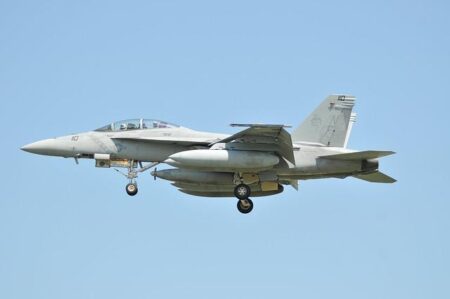
In a bold and costly gamble, Russia has reoriented its entire economy toward sustaining a protracted war effort, a strategy that experts warn could imperil its long-term prosperity and global standing. By channeling resources into military production and sidelining civilian sectors, the Kremlin is doubling down on conflict at the expense of economic diversification and innovation. This calculated shift, detailed in a recent New York Times report, illuminates the profound risks Moscow faces as it prioritizes warfare over economic resilience, raising pressing questions about the country’s future beyond the battlefield.
Russia’s Shift to a War-Driven Economy Undermines Long-Term Growth Prospects
Over the past decade, Russia has dramatically recalibrated its economic priorities, funneling vast resources into military expansion and defense industries at the expense of consumer sectors and technological innovation. This all-in approach has fortified the country’s immediate strategic capabilities but comes with significant trade-offs. Experts warn that the overreliance on a war-driven economic model has stifled diversification and made Russia increasingly vulnerable to global market fluctuations and sanctions. Key domestic industries, including agriculture, manufacturing, and information technology, have seen reduced investment, undermining the foundations necessary for sustainable economic health.
The consequences of this shift extend beyond mere numbers on balance sheets. Analysts point to several critical areas where long-term growth is imperiled:
- Brain Drain: Skilled workers and entrepreneurs are leaving the country in search of more stable and innovative environments.
- Technological Isolation: Restricted access to international collaborations has slowed progress in high-tech sectors essential for economic modernization.
- Infrastructure Neglect: Civilian infrastructure development lags, reducing overall productivity and living standards.
Without a strategic pivot back toward a balanced economy, Russia risks entrenching itself in a cycle of military dependency that could hinder its competitiveness on the world stage for decades to come.
Industrial Priorities Favor Military Expansion Over Civilian Innovation and Infrastructure
Over the past decade, Russia has funneled an overwhelming portion of its industrial resources and innovation capacity into bolstering its military apparatus, often at the expense of civilian sectors that drive economic growth and societal wellbeing. This strategic pivot has manifested in a cascading redirection of funding, talent, and manufacturing infrastructure away from critical areas such as healthcare, digital technology, and public transportation. As a result, essential domestic industries face chronic underinvestment, hampering the country’s ability to diversify its economy or modernize the infrastructure that underpins everyday life for millions of its citizens.
The consequences of this militarization are stark and multifaceted:
- Innovation stagnation: Highly skilled professionals frequently migrate to defense-centric projects, leaving civilian research sectors depleted and less competitive on the global stage.
- Infrastructure decay: Aging roads, bridges, and public utilities suffer from neglect, undermining economic efficiency and quality of life.
- Economic vulnerability: Overreliance on defense industries exposes Russia’s economy to international sanctions and volatile arms demand.
- Social strain: Reduced investment in social services exacerbates public dissatisfaction and limits workforce development.
Collectively, these factors reveal a systemic imbalance that risks entrenching Russia in a cycle where military expansion paralyses the broader economy, threatening long-term stability and growth.
Experts Call for Diversified Investment Strategies to Stabilize Russia’s Economic Future
Leading economists and financial analysts emphasize the urgent need for Russia to recalibrate its investment approach amid mounting geopolitical uncertainties and economic sanctions. Rather than doubling down on defense-oriented industries, they argue for a broad-spectrum strategy that cushions the national economy from external shocks. Key recommendations include diversifying capital allocations across renewable energy projects, technology innovation, and agricultural modernization, which could jointly foster sustainable growth while reducing dependency on volatile sectors.
Experts also highlight the importance of fostering a resilient domestic market through policies that encourage entrepreneurship and private sector development. By expanding the economic foundation beyond raw material exports and military manufacturing, Russia could mitigate the risks associated with a narrow economic base. Priorities laid out in these strategic forecasts often revolve around:
- Enhancing financial instruments that support small and medium enterprises
- Promoting research and development in cutting-edge industries
- Implementing reforms to attract foreign investment despite sanctions
This multi-pronged approach, analysts argue, is crucial to stabilizing Russia’s economic future in an unpredictable global landscape.
Closing Remarks
As Russia continues to prioritize military ambitions over economic diversification and modernization, the long-term consequences of this strategy are becoming increasingly apparent. By channeling vast resources into defense at the expense of civilian industries and international cooperation, the country risks deepening its economic isolation and undermining prospects for sustainable growth. The choices made today may well define Russia’s trajectory for decades to come, raising critical questions about the balance between security imperatives and economic resilience in an uncertain global landscape.