
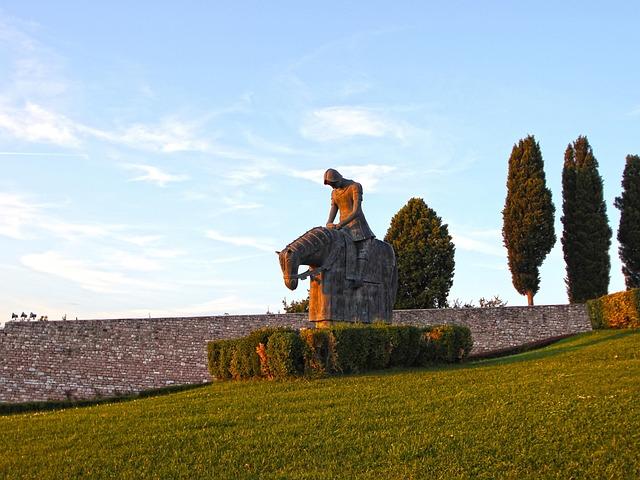
The bones of St Francis of Assisi have been put on public display in Italy for the first time in decades, attracting pilgrims and visitors from around the world. The relics, housed in the Basilica of St Francis in Assisi, offer a rare opportunity to witness a tangible connection to one of Christianity’s most revered saints. The exhibition coincides with ongoing efforts to preserve and share the legacy of the founder of the Franciscan order, whose teachings of poverty and humility continue to inspire millions.
Bones of St Francis of Assisi Revealed to the Public in Historic Italian Exhibition
For the first time in centuries, the sacred relics of St Francis of Assisi have been unveiled to the public in a landmark exhibition held at the Basilica of Saint Francis in Assisi, Italy. This rare event offers visitors a profound glimpse into the life of the revered saint, whose humble dedication to poverty and compassion has left an indelible mark on Christian history. The bones, carefully preserved and guarded throughout history, are now displayed with meticulous care, drawing devotees and tourists alike from around the globe.
The exhibition highlights several key features that make this display extraordinary:
- Historical significance: St Francis is one of the most venerated figures in Catholicism, and the exhibit connects attendees with nearly 800 years of religious heritage.
- Scientific analysis: Modern technology and forensic studies have been employed to authenticate and document the relics, enhancing the exhibition’s educational value.
- Spiritual experience: The setting within the ancient basilica adds a mystical atmosphere, encouraging reflection on the saint’s enduring legacy.
Significance of the Relics in Religious and Cultural Heritage Explored
The display of the bones of St Francis of Assisi serves as a powerful testament to the enduring connection between religious relics and cultural identity. Relics are more than mere artifacts; they embody centuries of faith, tradition, and communal memory. For believers, such relics function as tangible links to the divine, offering a sense of spiritual continuity and inspiration. Culturally, they have shaped artistic expression, pilgrimage practices, and social cohesion within communities that revere these sacred remains.
Beyond their religious significance, relics like those of St Francis carry immense historical and anthropological value. They offer insights into the past, preserving stories that contribute to our understanding of societal evolution. Key aspects of the relics’ significance include:
- Preservation of heritage: Safeguarding relics promotes awareness and respect for centuries-old customs.
- Cultural tourism: Public displays attract visitors and scholars, bolstering local economies and academic research.
- Interfaith dialogue: Relics often foster broader conversations about faith, tolerance, and shared human experience.
By inviting the public to engage directly with the bones of St Francis, Italy renews the dialogue between past and present, faith and culture, underscoring how relics remain pivotal in shaping collective identity worldwide.
Guidelines for Visitors and Preservation Efforts Amid Increased Public Interest
Visitors are encouraged to approach the exhibition with reverence and respect for the cultural and religious significance of the bones of St Francis of Assisi. Authorities have emphasized the importance of maintaining a quiet atmosphere to preserve the sanctity of the site. To ensure the safety of the relics and the comfort of all attendees, the following guidelines have been established:
- No photography or videography is allowed inside the display area to protect the delicate artifacts from light damage.
- Visiting hours will be strictly enforced, with timed entry slots to limit crowd size and prevent overcrowding.
- Mandatory use of face masks and hand sanitizers to maintain hygiene and minimize health risks.
- Children under a certain age may need to be accompanied by adults to ensure orderly conduct throughout the visit.
Preservation teams are actively engaged in monitoring environmental conditions within the exhibition space to safeguard the bones against deterioration. Advanced climate control systems have been installed, and experts regularly assess the impact of visitor foot traffic. Additionally, part of the increased public interest proceeds will be directed towards ongoing conservation projects, underscoring a commitment to protect this invaluable heritage for future generations. Institutional partnerships aim to balance public accessibility with responsible stewardship, ensuring that the legacy of St Francis remains undiminished by the surge in visitors.
Final Thoughts
The public exhibition of the bones of St Francis of Assisi offers a rare opportunity for pilgrims and visitors alike to connect with the legacy of one of Christianity’s most revered figures. As the relics go on display in Italy, they serve not only as a focal point of faith but also as a reminder of the enduring influence of St Francis’s message of humility, peace, and care for creation. The exhibition is expected to draw significant attention in the coming weeks, further highlighting the cultural and spiritual importance of this historic saint.