After nearly two decades of planning and construction, Germany’s city of Erfurt has welcomed its first purpose-built mosque, marking a significant milestone for the local Muslim community. The new mosque, officially opened this week, reflects years of dedication and symbolizes growing recognition of Islamic culture in the region. This development, covered by Muslim Network TV, highlights both the challenges and progress experienced by Muslims in Germany as they seek to establish permanent places of worship.
First Purpose Built Mosque Opens in Germany’s Erfurt After 18 Years
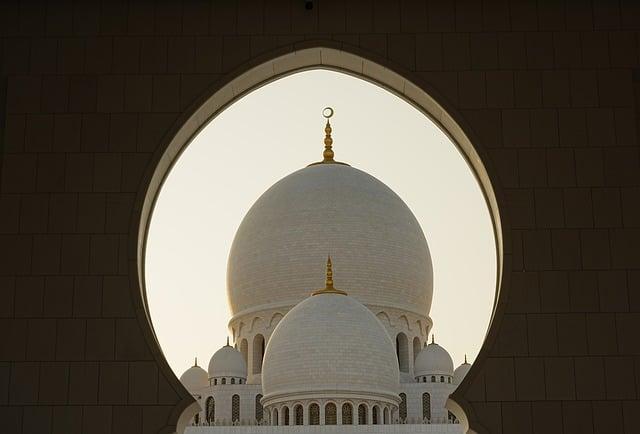
After nearly two decades of planning and community efforts, Erfurt has welcomed its first mosque specifically designed and constructed as a place of worship. The building stands as a symbol of religious diversity and cultural integration within the city, offering a dedicated space not only for prayer but also for social and educational activities. The mosque’s modern architecture incorporates traditional Islamic design elements, harmonizing with the city’s historical landscape, and includes facilities such as an event hall, classrooms, and community meeting rooms.
The opening ceremony drew attendance from local officials, religious leaders, and members of the Muslim community, highlighting the importance of dialogue and inclusion. Key features of the mosque include:
- Spacious prayer halls accommodating hundreds of worshippers
- Gender-separated areas to respect cultural practices
- Community garden promoting sustainability and reflection
- Educational wings offering language and cultural exchange programs
This milestone marks a significant step forward in recognizing the presence and rights of Muslim communities across Germany, reflecting broader societal shifts toward greater acceptance and plurality.
Community Leaders Celebrate Milestone While Emphasizing Integration and Dialogue
Community leaders gathered to mark the opening of Erfurt’s first purpose-built mosque, a landmark achievement that has taken nearly two decades to realize. Esteemed voices from diverse backgrounds praised the project not only as a celebration of faith but as a beacon of cultural integration and mutual respect. They highlighted the mosque’s role in fostering a sense of belonging among the city’s Muslim residents, while also serving as a bridge to the wider public through open dialogues and collaborative community initiatives.
Emphasizing the importance of sustained engagement, speakers called for a commitment to ongoing communication and partnership across religious and social lines. They identified several key priorities, including:
- Enhancing educational programs to promote awareness and counter misconceptions
- Supporting intercultural activities that build trust and solidarity
- Encouraging youth involvement to nurture future leaders dedicated to inclusive coexistence
These efforts were underscored as essential steps toward creating a harmonious environment where diversity is embraced as a strength rather than a barrier.
Recommendations for Supporting Future Religious Infrastructure Projects Across Germany
To foster the successful development of religious infrastructure projects across Germany, it is essential to cultivate open and ongoing dialogue between local authorities, community leaders, and members of faith groups. Encouraging transparency in planning and decision-making processes can significantly reduce misunderstandings and resistance. Additionally, municipalities should proactively provide clear guidelines and support mechanisms which help navigate the complex legal and zoning requirements, ensuring projects align with urban development goals while respecting cultural diversity.
Key strategies to support future initiatives include:
- Facilitating intercultural workshops that promote mutual respect and dispel myths around religious architecture.
- Allocating dedicated funding or grants to assist communities with construction and maintenance costs of places of worship.
- Streamlining bureaucratic procedures with designated liaison officers specializing in religious infrastructure projects.
- Encouraging partnerships between religious communities and local organizations to foster social cohesion and shared community benefits.
The Conclusion
The opening of Germany’s first purpose-built mosque in Erfurt marks a significant milestone for the country’s Muslim community after 18 years of planning and construction. As a symbol of religious freedom and cultural integration, the new mosque is expected to serve not only as a place of worship but also as a center for dialogue and community engagement. Its inauguration reflects ongoing efforts to foster mutual understanding and respect in Germany’s increasingly diverse society.