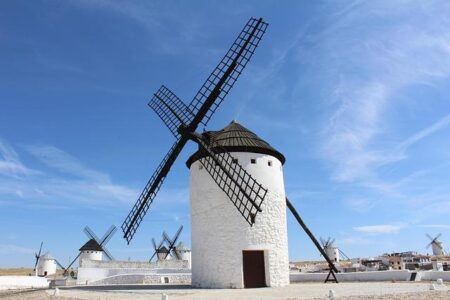
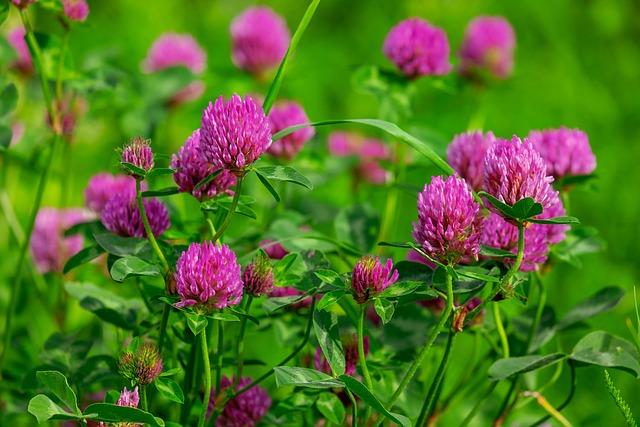
After weeks of parched conditions, the arid landscapes of southern Spain have burst into a riot of color following recent heavy rains. Vibrant wildflowers, dormant through the dry season, have rapidly blossomed across the region, transforming the typically barren terrain into a striking floral spectacle. This sudden natural display not only revitalizes the local ecosystem but also draws the attention of residents and visitors alike, highlighting the resilience of nature amidst a challenging climate.
Vibrant Wildflowers Revive Southern Spain’s Parched Landscapes After Unseasonal Rains
Following a rare and intense period of rainfall, the typically dry regions of southern Spain have undergone a remarkable transformation. Expansive swathes of land, long parched under the Mediterranean sun, are now bursting with color as native wildflowers bloom in unprecedented numbers. These vibrant blossoms not only enhance the visual appeal of the landscape but also play a crucial role in supporting local ecosystems by providing nourishment for pollinators such as bees and butterflies.
Experts highlight several key impacts of this natural revival:
- Boost to biodiversity: The sudden abundance of flora fosters a resurgence of insect and bird populations.
- Soil rejuvenation: The plant growth helps prevent erosion and improves moisture retention in the ground.
- Economic benefits: Increased natural beauty attracts eco-tourism, providing income to rural communities.
As climate patterns continue to shift, researchers emphasize the importance of monitoring these ecosystem responses to better understand the resilience of arid environments and their capacity to bounce back from climatic extremes.
Ecological Impact and Economic Opportunities Arise from Unexpected Bloom
In the wake of recent heavy rains, southern Spain’s arid landscapes have been transformed into a vibrant tapestry of wildflowers, delivering unexpected ecological benefits. The sudden abundance of flora has revitalized local biodiversity, offering critical habitat and nourishment to pollinators such as bees and butterflies, whose populations have been under significant stress. This resurgence also aids soil regeneration, improving erosion control and fostering conditions conducive to the growth of native plant species. Conservationists emphasize that such natural phenomena, while irregular, provide invaluable opportunities to study and bolster fragile ecosystems in dry regions.
Beyond ecological advantages, this floral explosion is unlocking fresh economic prospects for communities historically reliant on agriculture and tourism. Local businesses are capitalizing on increased foot traffic as nature enthusiasts and photographers flock to witness the rare spectacle. Highlighted economic opportunities include:
- Eco-tourism development: Guided tours and nature trails are emerging to accommodate visitors.
- Local artisan markets: Sales of wildflower-inspired crafts and products are on the rise.
- Agro-environmental incentives: Programs encouraging sustainable land use practices tied to wildflower conservation.
These developments represent a promising synergy between environmental stewardship and economic resilience in a region adapting to climate variability.
Experts Recommend Sustainable Tourism to Preserve Fragile Wildflower Habitats
Following the recent transformation of southern Spain’s arid landscapes into a vibrant tapestry of wildflowers, conservationists emphasize the urgent need to approach tourism with care. The region’s delicate ecosystems, revived only briefly by infrequent heavy rains, are highly susceptible to damage from unregulated foot traffic and development. Experts caution that without responsible visitation practices, the fleeting bloom could quickly deteriorate, threatening both biodiversity and the natural heritage that draws visitors in the first place.
To safeguard these precious habitats, specialists advocate for sustainable tourism strategies, including:
- Controlled access to sensitive wildflower zones to minimize trampling and soil disruption.
- Educational programs aimed at raising awareness among tourists about ecological significance and respectful behavior.
- Collaboration with local communities to create eco-friendly initiatives that benefit both nature and regional economies.
- Seasonal restrictions on activities during peak bloom periods to allow natural regeneration.
In Conclusion
As southern Spain’s arid landscapes burst into color following recent heavy rains, the vibrant wildflower bloom serves as a striking reminder of nature’s resilience and the delicate balance of the region’s ecosystem. While this fleeting spectacle offers both environmental benefits and a boost to local tourism, experts caution that ongoing efforts are needed to address the challenges posed by climate variability. Euronews will continue to monitor the evolving impact of these natural transformations across the Mediterranean.