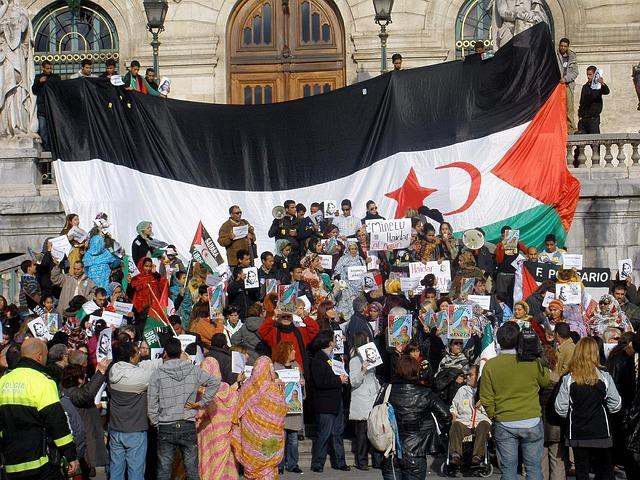
Protests erupted across Argentina as thousands of demonstrators clashed with police in response to proposed legislation aimed at restricting labour rights. The government’s bid to reform labour laws has sparked widespread outrage among workers, unions, and civil society groups who argue the measures threaten hard-won protections. Scenes of confrontation unfolded in major cities, highlighting deepening tensions over economic policies and social justice in the country. This article examines the unfolding protests, government responses, and the broader implications for Argentina’s labour landscape.
Protesters Confront Police in Fierce Demonstrations Against Labour Rights Restrictions
Violent scenes erupted in Buenos Aires as thousands took to the streets to oppose government proposals aimed at curtailing workers’ protections. Demonstrators, including union members, activists, and ordinary citizens, engaged in fierce clashes with riot police, who responded with tear gas and water cannons. The confrontations marked one of the most intense public outcries in recent years against legislative efforts perceived to undermine collective bargaining rights and job security.
Key points fueling the unrest include:
- Reduction of severance payments for dismissed workers.
- Limits imposed on union activities, affecting their influence in workplaces.
- Introduction of flexible labor contracts seen as detrimental to stable employment.
Protest leaders warned that continued moves to restrict labour rights threaten to exacerbate social inequality and economic instability, demanding immediate government reconsideration of the proposed reforms.
Analysis of Argentina’s Proposed Labour Reform and Its Socioeconomic Implications
The proposed legislation aims to loosen regulations on hiring and firing processes, curtail collective bargaining powers, and reduce minimum wage thresholds in certain sectors. Proponents argue these reforms are necessary to stimulate investment, reduce unemployment, and modernize Argentina’s labor market, which they contend has been burdened by inflexible policies. However, critics warn that stripping away these protections could exacerbate social inequality and destabilize workers’ rights that have taken decades to establish.
Key socioeconomic concerns include:
- Potential rise in job insecurity as businesses gain easier access to terminate contracts without severance.
- Weakened unions may struggle to negotiate fair wages and working conditions, leading to wage stagnation.
- Lower minimum wage measures threatening the purchasing power of millions and increasing poverty levels.
- Heightened social tensions as vulnerable groups perceive the reforms as an attack on their livelihoods, fueling unrest.
Calls for Dialogue and Policy Revisions to Address Worker Concerns and Restore Stability
The escalating tensions between protestors and law enforcement have reignited calls from various sectors urging the government to engage in meaningful discussions to address the grievances of Argentina’s workforce. Labour unions and civil society groups emphasize that open dialogue is critical to prevent further unrest and to ensure that the rights of workers are not compromised under new legislative proposals. These stakeholders advocate for a collaborative approach where worker voices are prioritized, warning that neglecting these concerns risks deepening social divisions and economic instability.
Amid the growing unrest, demands for policy revisions have intensified, with experts and activists highlighting key areas requiring immediate attention:
- Protection of collective bargaining rights to safeguard workers’ ability to negotiate fair wages and conditions.
- Transparency in legislative processes to ensure laws affecting labor rights are developed with participation from all relevant parties.
- Implementation of comprehensive social safety nets to cushion the impact on vulnerable workers during economic transitions.
These measures are being framed not only as remedies but as essential steps toward restoring public trust and maintaining stability in the country’s labour market.
The Conclusion
As tensions continue to simmer across Argentina, the contentious debate over labor rights remains at the forefront of national discourse. The recent clashes between protesters and police underscore the deep divisions and widespread concern surrounding the government’s proposed restrictions. With negotiations ongoing and public outcry mounting, the outcome of this dispute will have significant implications for Argentina’s labor landscape and social stability in the months ahead.