
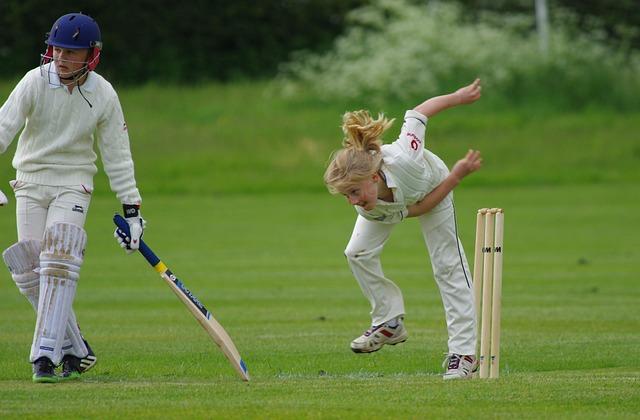
Cricket, long regarded as Pakistan’s national passion and a unifying force across the country, is increasingly becoming entangled in political controversies that threaten the sport’s integrity and growth. As governmental interference and diplomatic tensions seep into cricket administration and international relations, Pakistan’s beloved game faces unprecedented challenges both on and off the field. This politicization is not only undermining player morale and fan engagement but also jeopardizing Pakistan’s standing in the global cricketing community.
Cricket’s Political Undercurrents Undermine Pakistan’s Sporting Integrity
In recent years, the sport traditionally celebrated for uniting communities in Pakistan has increasingly become a battleground for political influence and power struggles. The intrusion of political agendas into team selections, administrative decisions, and international engagements has cast a long shadow over cricket’s integrity. Stakeholders across the board express concern that these developments have diluted meritocracy, affecting player morale and the public’s faith in the national team’s potential. The blurring lines between sportsmanship and politics threaten not only performance on the field but also Pakistan’s reputation in the global cricketing arena.
Key issues fueling the problem include:
- Political interference in the Pakistan Cricket Board’s appointments and policies.
- Bans and boycotts tied to diplomatic tensions rather than sporting reasons.
- Pressure on players to conform to narratives beyond their control or expertise.
- Diverted attention from grassroots development to short-term political gains.
Unless these political undercurrents are addressed with transparency and a renewed focus on the sport’s core values, Pakistan’s cricketing future risks prolonged instability. Restoring credibility demands a firm separation of cricket administration from external political forces, allowing the game to be governed by expertise and passion rather than power plays.
Impact of Political Interference on Player Performance and Team Dynamics
Political interference has seeped deep into the veins of Pakistani cricket, disrupting not only player focus but also the cohesion within teams. When selection committees and team management become puppets of political agendas rather than meritocracy, players face immense pressure beyond the boundary ropes. This additional strain often manifests in underperformance, as athletes grapple with uncertainties around their careers and question the fairness of decision-making. The consequence is a noticeable erosion in confidence, which translates into inconsistent displays on the field.
Beyond individual performance, the fabric of team dynamics suffers as well. Political meddling can breed resentment, as players perceive favoritism or bias influencing who gets to represent the nation. Teams lose their sense of unity when internal rivalries intensify under the shadow of external interventions. Key issues include:
- Undermined leadership-captains and coaches struggle to maintain authority.
- Reduced morale-players become disengaged and distrustful.
- Interrupted development-young talent is overlooked in favor of politically connected veterans.
All these factors combine to stunt Pakistan’s cricketing progress, putting the sport’s legacy at risk.
Restoring Pakistan Cricket Through Transparent Governance and Independent Oversight
Pakistan’s cricketing landscape has long been marred by undue political interference, undermining the very foundation of the sport in the country. Transparent governance is not merely a buzzword but a necessity to rebuild trust among players, fans, and international stakeholders. Establishing clear, well-defined protocols for decision-making and financial disclosures can ensure accountability and reduce the risks of corruption and favoritism that have plagued the administration. Independent oversight bodies can act as vigilant watchdogs, guaranteeing that the interests of cricket supersede personal or political agendas.
Key steps toward reform must include:
- Implementing open elections for cricket board officials to promote meritocracy.
- Ensuring regular audits and public release of financial records.
- Setting up an impartial ethics committee to address conflicts of interest and misconduct.
- Engaging former players and credible experts in governance roles for a balanced perspective.
Without such structural changes, Pakistan risks its cricket becoming a pawn in political games, further alienating fans and diminishing the country’s competitiveness on the world stage.
In Conclusion
As cricket increasingly intersects with political tensions, Pakistan’s beloved sport finds itself navigating a challenging landscape that threatens its growth and international standing. The entanglement of politics and cricket not only risks alienating fans and players alike but also undermines the spirit of the game that has long united diverse communities. For Pakistan cricket to thrive once more, stakeholders must strive to separate the sport from geopolitical conflicts and reaffirm its role as a unifying force on and off the field.