
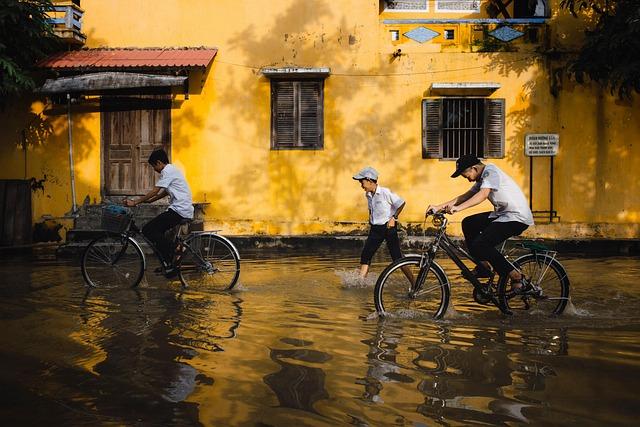
Rescue teams in Brazil continue their urgent search for survivors amid devastating floods that have now claimed at least 64 lives. The unrelenting heavy rains have triggered widespread destruction across multiple regions, leaving thousands displaced and communities grappling with severe damage. Authorities are racing against time to locate those trapped, while emergency responses intensify to provide relief to affected populations. As the death toll rises, the nation faces a growing humanitarian crisis, underscoring the urgent need for aid and coordinated recovery efforts.
Search Efforts Intensify Amidst Challenging Terrain and Weather Conditions
Rescue teams have intensified their operations in the flood-stricken regions of Brazil despite formidable challenges posed by rugged terrain and persistent adverse weather. Helicopters and ground teams are navigating muddy roads and swollen rivers to reach isolated communities affected by the deluge. “Every minute counts,” emphasized a coordinator from the National Search and Rescue Agency, highlighting the urgency of the ongoing efforts to locate survivors trapped in debris and collapsed structures.
Authorities are deploying a combination of advanced technology and local knowledge to bolster search capabilities, including:
- Thermal imaging drones for detecting heat signatures in inaccessible zones.
- Canine units trained in search and rescue operations.
- Satellite communication tools to maintain connectivity with dispersed teams.
Despite these efforts, heavy rain continues to impede progress, with officials cautioning that the swollen rivers and landslides present significant hazards to personnel. Communities remain on high alert as the death toll rises, underscoring the critical need for swift and coordinated action.
Authorities Mobilize Resources and Emergency Teams to Locate Missing Residents
In response to the ongoing crisis, emergency management agencies have rapidly deployed specialized teams across the most affected regions. Search and rescue units, equipped with advanced technology such as thermal imaging cameras and drones, are tirelessly scanning submerged neighborhoods to locate survivors trapped beneath debris or stranded by rising waters. Coordination between local authorities, military forces, and volunteer groups has been intensified, ensuring that resources like boats, helicopters, and medical supplies are strategically distributed to areas with the greatest need.
Key actions being taken include:
- Establishing temporary shelters and medical aid stations to support displaced residents.
- Setting up communication networks to reconnect families and streamline information flow.
- Mobilizing flood response teams to reinforce levees and prevent further damage.
Despite challenging weather conditions and terrain, these collective efforts aim to save lives and provide urgent assistance as authorities continue their search for missing residents in the aftermath of the devastating floods.
Experts Urge Improved Infrastructure and Early Warning Systems to Mitigate Future Disasters
In the wake of the devastating floods that have claimed at least 64 lives in Brazil, authorities and experts are calling for urgent enhancements to the nation’s infrastructure. The current state of dams, drainage systems, and flood defenses has proven inadequate against the scale of recent rainfall, exacerbating the impact on vulnerable communities. Specialists emphasize the necessity of modernizing these critical systems to withstand increasingly frequent and severe weather events driven by climate change.
Key recommendations from disaster management experts include:
- Upgrading levees and reservoirs to better control water flow.
- Investing in resilient urban planning to reduce flood risk in expanding cities.
- Implementing comprehensive early warning systems that provide timely alerts to residents.
- Enhancing community education programs focused on emergency preparedness.
These measures are crucial to minimize loss of life and property in future catastrophes. Authorities stress that proactive investment and nationwide coordination are essential to fortify Brazil’s readiness and protect its citizens against the growing threat of natural disasters.
Concluding Remarks
As rescue efforts persist amid challenging conditions, authorities and communities in Brazil remain vigilant in their search for survivors following the devastating floods. With the death toll rising to 64, emergency responders continue to face difficult terrain and ongoing risks, underscoring the urgent need for coordinated relief and support. The situation remains fluid, and updates will be provided as more information becomes available.