
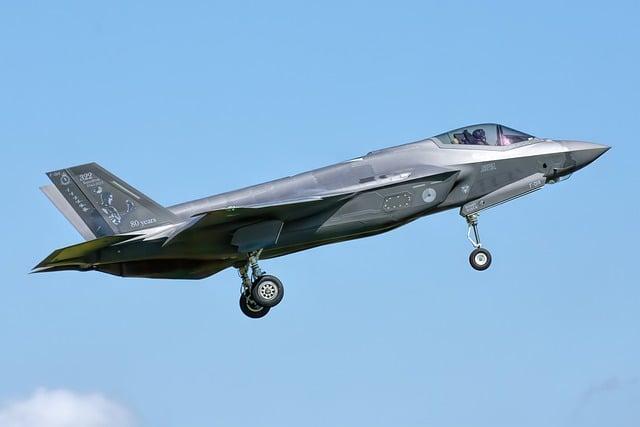
The United Kingdom occupies a pivotal position within the global F-35 Joint Strike Fighter programme, a cornerstone of modern military aviation and international defense collaboration. As the F-35 continues to redefine aerial combat capabilities among allied nations, understanding the UK’s contributions, operational use, and associated implications is critical for informed reporting. This briefing note, provided by Action on Armed Violence (AOAV), offers journalists a concise overview of the UK’s role in the F-35 initiative, shedding light on procurement, deployment, and broader geopolitical impacts.
UK’s Strategic Contributions and Industry Role in the Global F-35 Programme
The United Kingdom holds a pivotal position within the global F-35 programme, not only as a key operator but also as a major contributor to the aircraft’s development and maintenance. The UK’s Royal Air Force and Royal Navy have both integrated the F-35B variant, emphasizing the nation’s strategic shift towards fifth-generation stealth capabilities. This move enhances interoperability with allies, primarily the United States, while reinforcing the UK’s position as a global defense leader. Furthermore, the UK’s involvement extends beyond deployment, encompassing critical roles in mission systems, logistics, and operational testing, demonstrating an active commitment to the programme’s sustainability and advancement.
On the industrial front, British companies are deeply embedded in the F-35 supply chain, providing cutting-edge technology and manufacturing expertise. Major defense firms contribute components ranging from advanced avionics to propulsion integration, underscoring the UK’s reputation for high-quality aerospace engineering. Key industry contributions include:
- BAE Systems: Leading the design and manufacture of the F-35’s aft fuselage and other critical airframe structures.
- Rolls-Royce: Developing the LiftSystem technology, allowing the F-35B to execute short takeoffs and vertical landings.
- Leonardo UK: Providing essential electronic warfare systems and supporting platform sustainment.
This extensive industrial involvement not only sustains thousands of UK jobs but also ensures that British expertise remains at the forefront of global defense innovation, solidifying the UK’s status as an indispensable partner in the F-35 alliance.
Operational Impacts and Controversies Surrounding UK Involvement
The UK’s involvement in the F-35 programme has sparked significant operational challenges and public debate. Despite being a leading partner in the development and deployment of the fifth-generation fighter jet, British forces have encountered delays and technical hurdles that have repeatedly pushed back full operational capability. These setbacks have raised concerns across the Ministry of Defence and parliamentary circles about the programme’s escalating costs and overall strategic value. Additionally, maintenance shortages and technical complexities have led to reduced sortie rates, impacting training schedules and operational readiness. Critics argue that these operational difficulties cast doubts on the UK’s ability to fulfill its commitments within NATO and allied frameworks effectively.
Beyond technical issues, the F-35’s deployment has ignited a series of controversies encompassing ethical, economic, and geopolitical dimensions. Key points of contention include:
- Budgetary Overruns: The continuous increase in procurement and lifecycle expenses has led to scrutiny over defence budget allocations, with some MPs calling for reassessment of spending priorities.
- Civilian Harm Concerns: Advocacy groups have highlighted the potential for increased civilian casualties due to the F-35’s precision strike capabilities, urging more stringent oversight on targeting procedures.
- International Dependence: Reliance on U.S. technology and supply chains has fueled debates about sovereignty and the political cost of entanglement in US-led defence initiatives.
These factors collectively fuel an ongoing dialogue about the future trajectory of UK defence strategy and the ethical implications of participating in such transformative, yet contentious, military programmes.
Recommendations for Transparent Reporting and Enhanced Accountability
To ensure greater transparency surrounding the UK’s involvement in the global F-35 programme, it is imperative that government agencies and defence contractors implement robust disclosure practices. This includes publishing detailed, accessible reports on expenditure, contract allocations, and the environmental as well as social impacts of the project. Journalists and civil society must have unfettered access to such data to hold stakeholders accountable. Emphasizing independent oversight mechanisms will also be crucial in monitoring compliance and uncovering any undisclosed risks or ethical concerns associated with the programme’s development and deployment.
Enhanced accountability can be further achieved by engaging with local communities affected by F-35 operations, ensuring their voices are heard and concerns addressed transparently. Regular briefing sessions and open forums involving policymakers, military officials, and watchdog groups can foster a culture of openness. Journalists are encouraged to leverage freedom of information requests strategically and to collaborate with investigative networks to delineate the true costs and consequences of the UK’s participation in the F-35 initiative.
- Mandate public reporting standards for defence procurement
- Strengthen parliamentary scrutiny on arms exports
- Promote independent audits of military programmes
- Facilitate community impact assessments and feedback loops
To Wrap It Up
As the UK continues to play a pivotal role in the global F-35 programme, understanding the complexities behind its participation remains crucial for comprehensive reporting. This briefing note aims to equip journalists with the facts needed to navigate the multifaceted dimensions of the UK’s military collaborations, procurement decisions, and the broader implications for international security and arms control. Staying informed on these developments is essential for shedding light on the realities of modern defense partnerships and their impact worldwide.